Self-care is proving to be one of retail’s most powerful spending justifications, and the market is rewarding the brands that can convert emotion into checkout activity. That matters because the consumer is still willing to spend — but increasingly on small, frequent, digitally nudged purchases that are easier to defend than big-ticket splurges.
Ulta Beauty, Lululemon, Estée Lauder on self-care spend
The clearest investable signal is not in a single luxury logo or a one-off viral product. It is in the way wellness, beauty and “little treat” buying have become embedded in everyday commerce. Malaysia’s e-commerce economy hit RM1.288 trillion in 2024, with business-to-consumer transactions rising 11.3% to RM374.7 billion, according to the Department of Statistics Malaysia. On TikTok Shop, nearly six in 10 Malaysian users now prefer live shopping, while sales from livestreams jumped 48% year-on-year and account for almost a third of platform sales. That is the real shift: shopping is no longer a trip, it is an emotion-driven impulse built into entertainment.
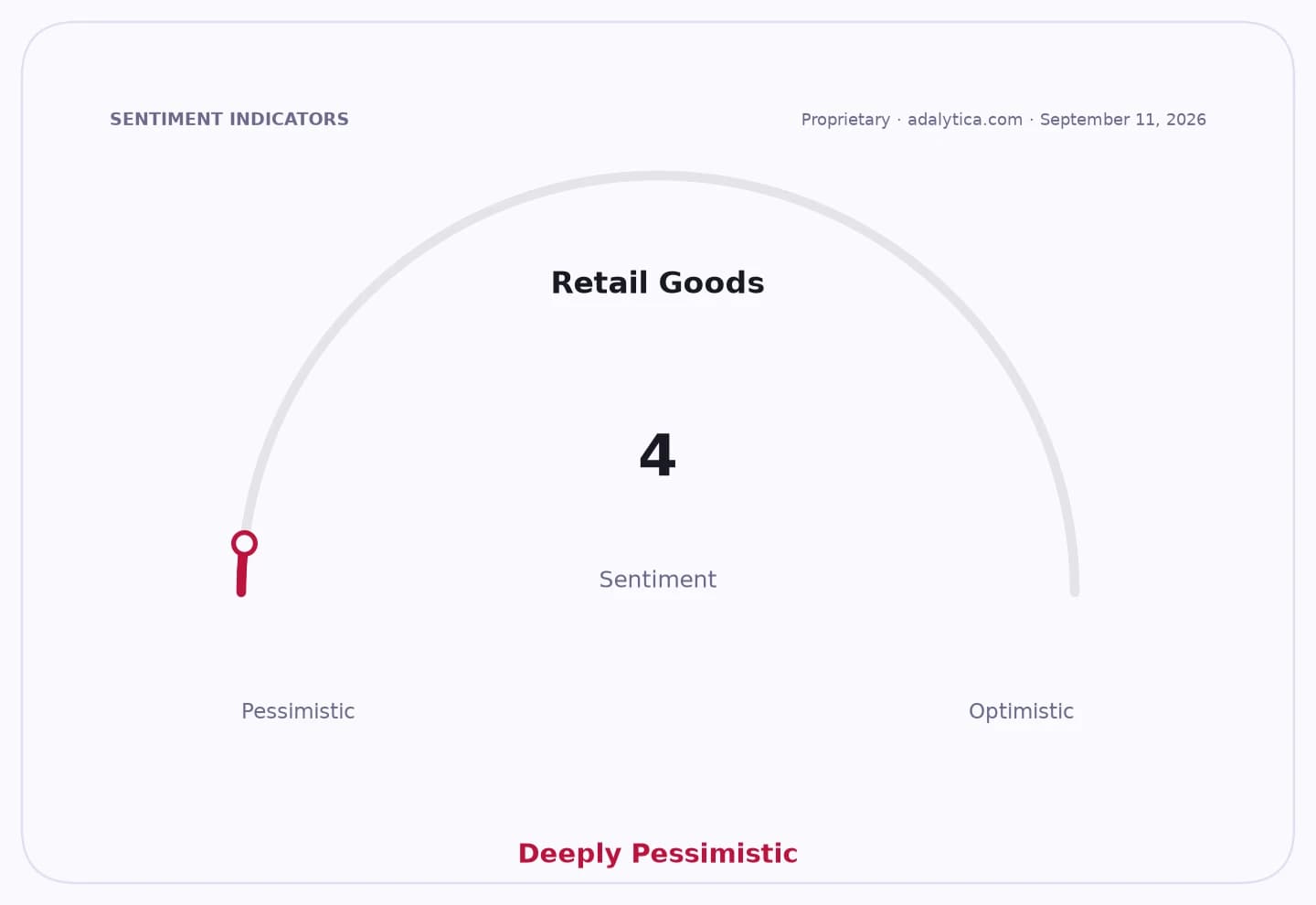
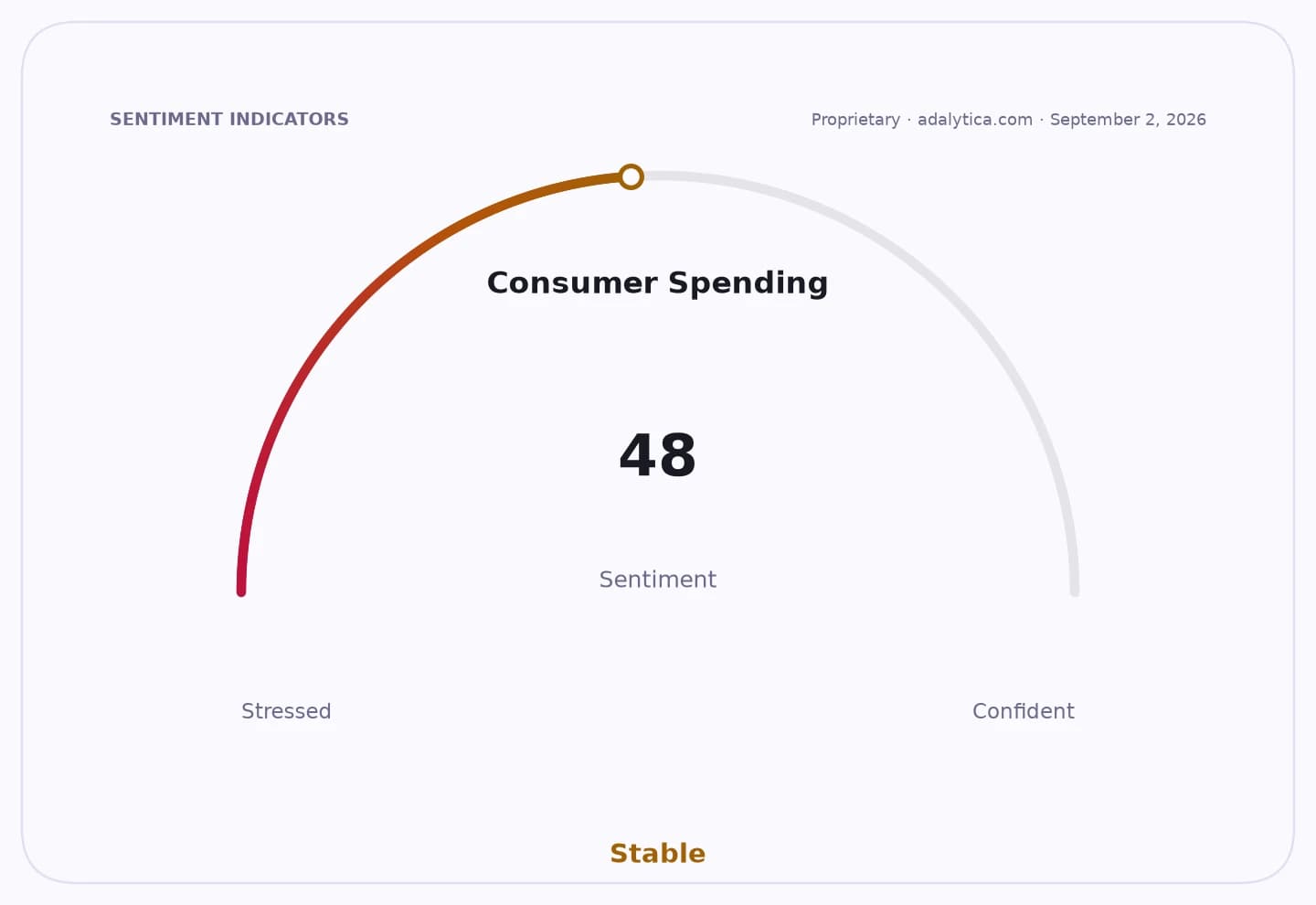
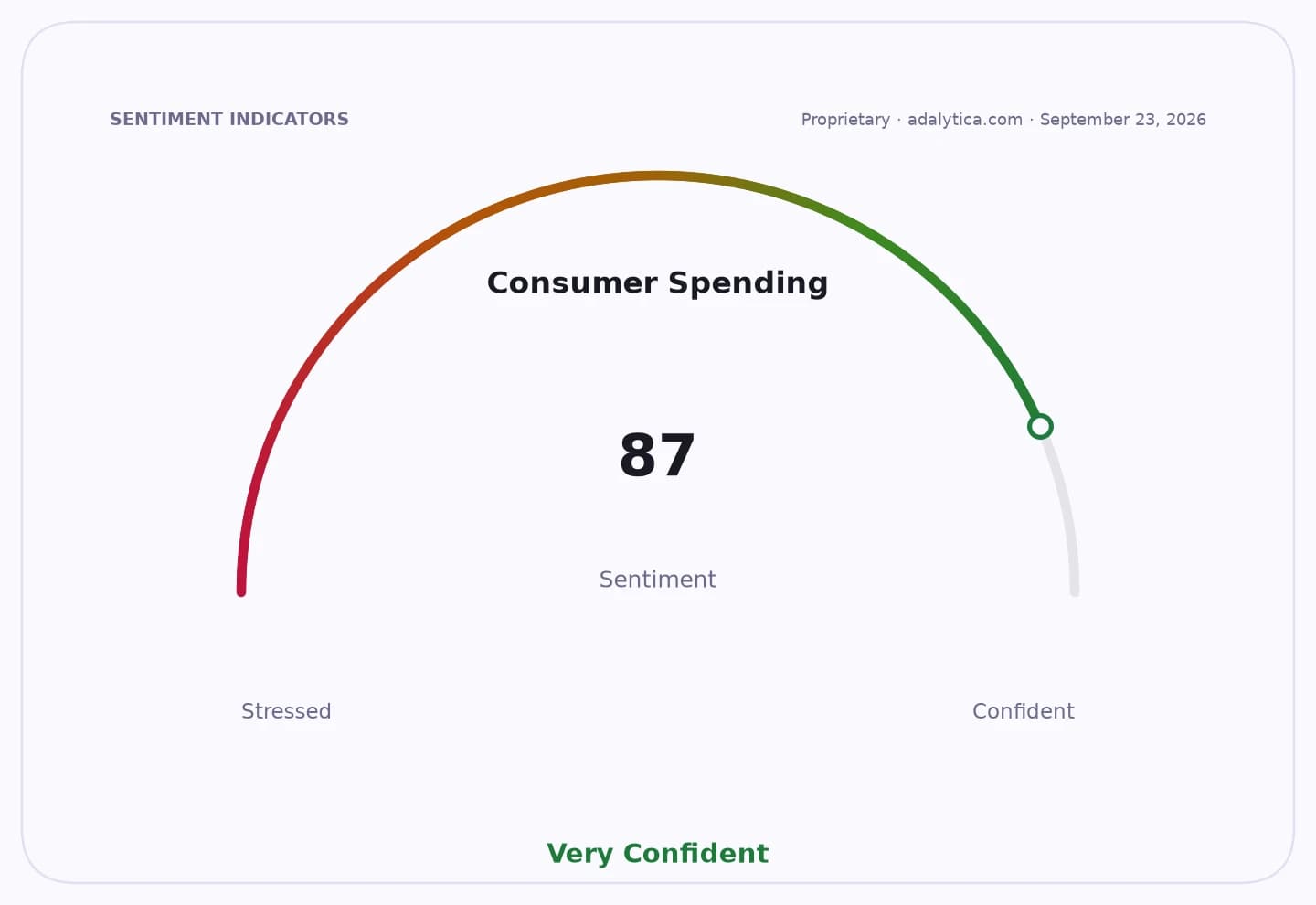
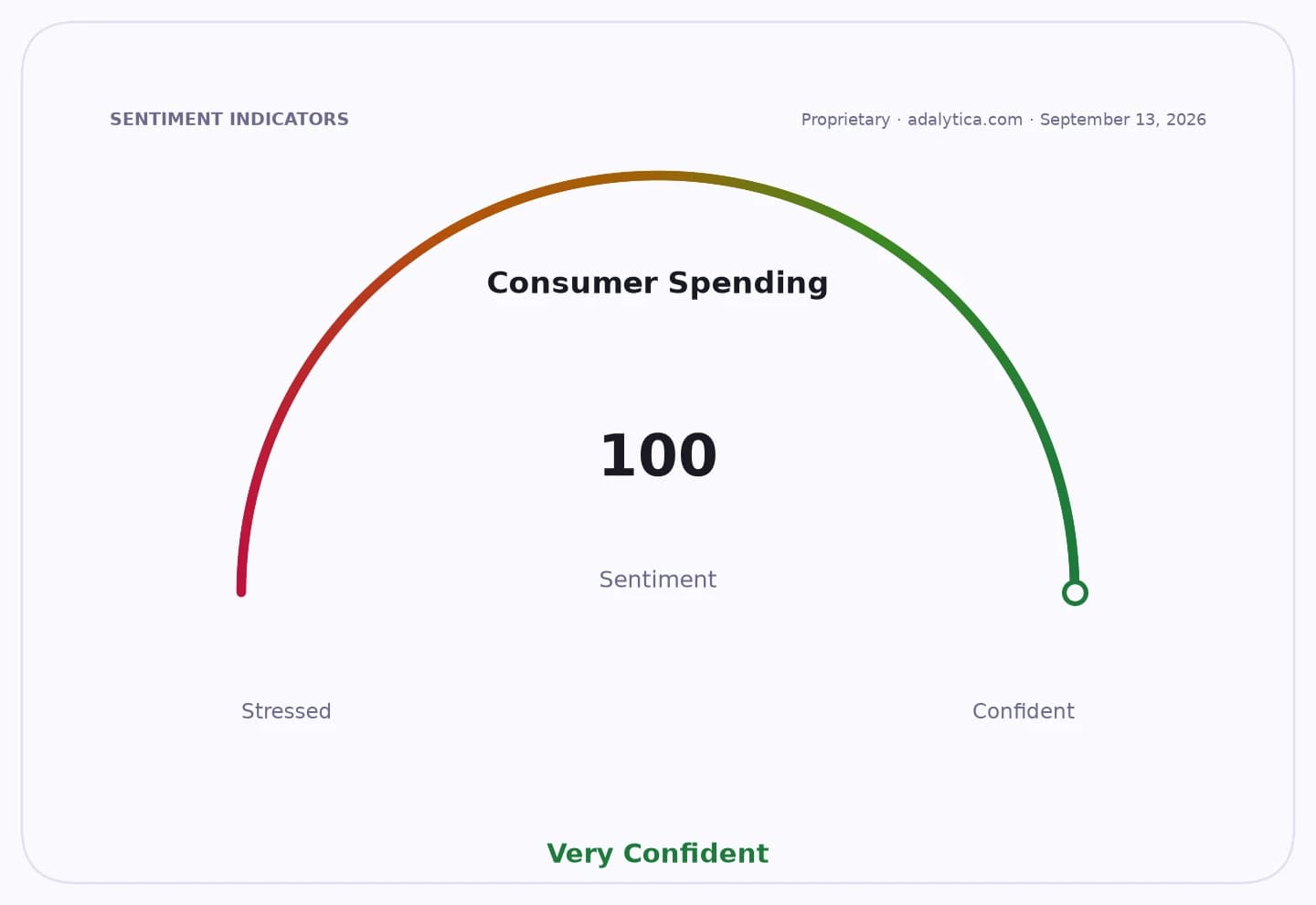
Sentiment IndicatorsⓘProprietary · adalytica.com · September 13, 2026
This is a snapshot — live sentiment, awareness and momentum for 130+ markets update continuously in the dashboard.Open AlphaPulse
Buy now, pay later is amplifying that behavior. Malaysians made 243 million BNPL transactions worth RM21.3 billion in 2025, up sharply from 146 million transactions worth RM12 billion a year earlier. The average ticket was only about RM91, and the purchases were concentrated in food, groceries, transport and services. In other words, this is not just aspirational luxury spending. It is everyday indulgence, broken into installments and mentally recast as self-care.
That is why the winners are the brands selling frequent-use beauty, activewear and personal-care products — the categories most likely to be rationalized as “I deserve this.” Ulta Beauty, Lululemon and Estée Lauder each stand to benefit if consumers keep prioritizing affordable emotional relief over large discretionary outlays. Investors should pay attention to the fact that these businesses do not need a full macro boom to work; they need steady conversion, high repeat purchase rates and digital discovery that shortens the path from content to cart.
The market is already separating the beneficiaries from the laggards. Lululemon has been cut to $98.97 from a 2025 high above $215, even as its 50-day moving average has slipped to $117.13 and the stock remains under the 200-day average near $151.45. That is the kind of dislocation that often marks a value reset before a sentiment turn, especially if the company can defend pricing and brand loyalty in a consumer environment where self-reward still matters. Ulta, by contrast, is holding far better, finishing at $546.78 and staying above its 50-day moving average, a sign the market still sees beauty as a resilient spend category. Estée Lauder’s shares around $97.12 are also well below earlier peaks, but the stock has been rebuilding from a brutal drawdown, suggesting investors are starting to price in stabilization rather than collapse.
The contrast is important because it tells us where the next leg of returns may come from. The market underestimates how much spending power can be extracted from small, high-frequency emotional purchases when they are paired with social commerce and installment payments. That is a much more durable thesis than chasing one-off luxury demand. The best setup is in the picks-and-shovels of self-care spending: brands and platforms that sit at the intersection of wellness, beauty, digital discovery and frictionless payment.
The key catalyst ahead is whether this “little treat” economy continues to hold up even as consumers become more selective elsewhere. If it does, the winners will not just be the strongest brands — they will be the companies that make guilt-free spending feel instant, affordable and socially validated. For investors, that argues for leaning into beauty and wellness names with strong digital engagement and repeat purchase behavior, while being selective on apparel. The self-care trade is real, and it is still early.
| Entity | Gains | Losses |
|---|---|---|
| Ulta Beauty (ULTA) | ▲Beauty demand resilience | ▼Broad retail pullback |
| Lululemon (LULU) | ▲Self-reward apparel spending | ▼Big-ticket discretionary weakness |
| Estée Lauder (EL) | ▲Personal-care recovery trade | ▼Premium beauty skepticism |
| BNPL platforms | ▲Higher checkout conversion | ▼Consumers paying later |