Trip.com’s listing of a 5.1 million-yuan suborbital space package is a small sale with outsized signaling power: it shows how luxury travel in China is moving beyond hotels and yachts into ultra-premium, high-risk experiences that could open a new revenue stream for commercial space operators if the category ever scales.
Trip.com lists Virgin Galactic space package in China
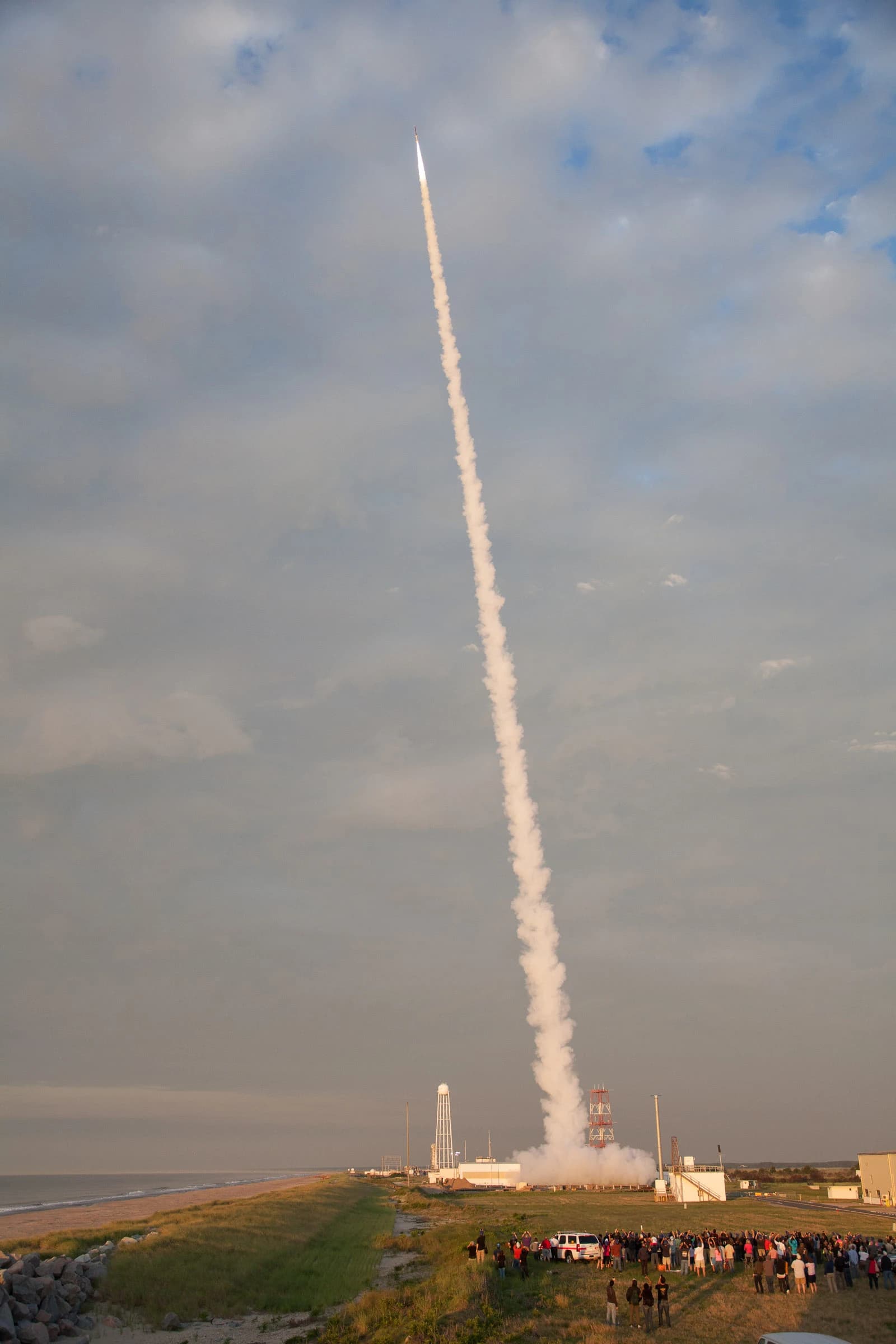
The package, sold through Trip.com’s HHtravel high-end subsidiary in partnership with Virgin Galactic, is priced at about $760,000 and covers six days, including three days of preflight training at Spaceport America in New Mexico, luxury accommodation, transport and custom spacesuits. Buyers still have to pay separately for international flights, insurance and visas, which means the true cash outlay is even higher.
Sentiment IndicatorsⓘProprietary · adalytica.com · October 3, 2026
This is a snapshot — live sentiment, awareness and momentum for 130+ markets update continuously in the dashboard.Open AlphaPulse
For investors, the key point is not that space tourism is suddenly mass market. It is that a major Chinese online travel platform is willing to put a U.S. commercial space product in front of affluent mainland consumers, which broadens the distribution channel for a business model that has so far relied on a tiny pool of wealthy early adopters. That matters because commercial space has remained a capital-intensive, low-volume industry where customer acquisition is as much of a bottleneck as rocket engineering.
The addressable market is still extremely narrow. Industry observers quoted in the report say buyers need exceptional physical health, high risk tolerance and substantial liquid wealth. That limits near-term revenue, but it also underscores why this matters as a pricing benchmark: if a Chinese platform can normalize a seven-figure yuan package in the luxury travel funnel, it helps establish spaceflight as an aspirational premium category rather than a one-off stunt.
Virgin Galactic, which completed its first commercial suborbital flight in 2023, has carried only 23 paying customers so far. That is a reminder of how early this market remains. Yet the Trip.com listing suggests the company is still looking for demand beyond its domestic base, and China may become one of the few markets where ultra-rich consumers are willing to pay for status-driven experiential travel at the very top end of the spectrum.
The broader strategic backdrop is supportive. China’s space industry has been gaining policy backing, with the China National Space Administration last year unveiling a three-year plan to promote commercial space development, including space tourism. At the same time, Chinese startups such as InterstellOr are talking about suborbital trips later this decade, which tells investors the local ecosystem is inching toward its own version of commercial space travel.
That creates a split-screen investment story. Near term, Trip.com is the distribution winner, using its luxury travel arm to deepen engagement with China’s wealthiest clients. Longer term, the real upside sits with the infrastructure and service providers that can turn one-off elite voyages into repeatable products: launch operators, training providers, specialist insurers and, eventually, domestic Chinese space firms with lower-cost access to orbit-adjacent experiences.
The market underestimates how important elite demand can be at the start of a new consumer category. Space tourism does not need millions of customers to become investable; it needs a handful of wealthy buyers, a credible safety record and a channel that can package the experience like a luxury escape. Trip.com just helped prove that funnel exists. For investors, that is the kind of early signal worth watching before the crowd arrives.
| Entity | Gains | Losses |
|---|---|---|
| Trip.com / HHtravel | ▲Higher-end bookings | ▼Low-end relevance |
| Virgin Galactic | ▲China distribution access | ▼Tiny customer base |
| China’s ultra-wealthy travelers | ▲Rare status experience | ▼Price and safety risk |
| Traditional luxury travel peers | ▲Benchmark for premium packages | ▼Attention and spend share |