Luxury travel is shifting from marble-and-measured-service status symbols to experience-led spending, and that is good news for hotel operators that can turn a room into a destination.
Marriott, Hilton gain from luxury travel shift
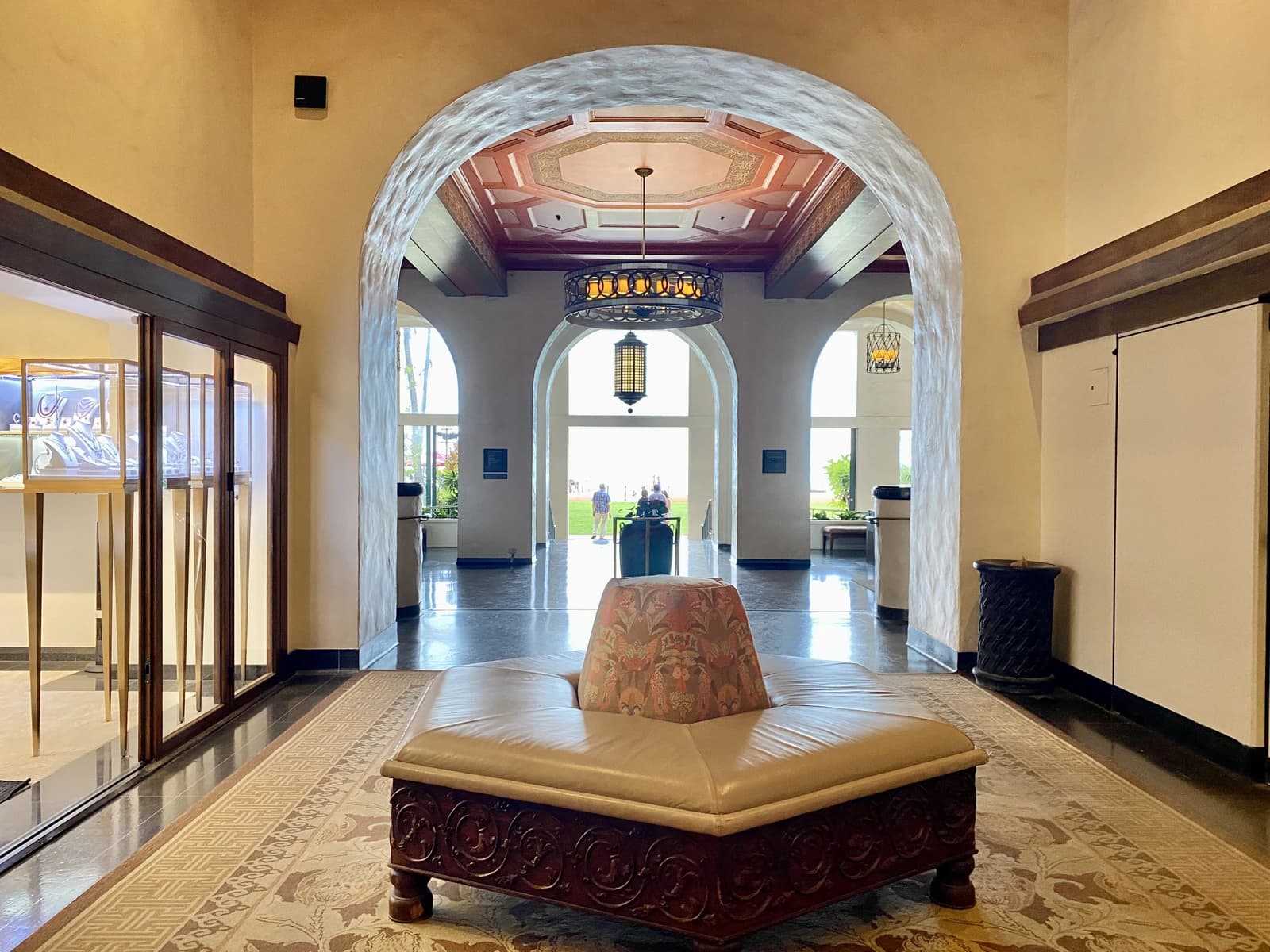
The biggest economic change is that affluent travelers are no longer buying just a bed or a brand name — they are bundling accommodation, dining, wellness and local immersion into one trip, lifting the value of each stay and widening the revenue pool for the companies that can own the full experience. Michelin’s hotel chief Marie-France Perrel said at the Euronews Travel & Tourism Summit in Brussels that luxury now means “a whole ecosystem,” not the old checklist of marble bathrooms and oversized suites.

That matters because experience-led travel is typically more resilient and more profitable than plain-vanilla lodging. If guests choose a hotel first and the destination second, as Perrel advised, operators gain pricing power, while restaurants, spas, tours and curated local partnerships become part of the product rather than add-ons. Michelin said users searching for northern European hotels often look up nearby restaurants in the same session, a sign that food and lodging are increasingly one purchase decision.
The shift is also changing how luxury is measured. Michelin’s new Key ranking, launched in 2024, has expanded quickly, with 2,832 hotels in 79 destinations in the 2026 global selection, including 470 new entrants and 18 first-time three-Key properties. The spread from one- to three-Key hotels shows the market is rewarding variety, not just scale, from classic grand hotels to independent boutiques and wellness retreats.
For investors, that broadens the list of beneficiaries. Marriott International and Hilton can still capture the premium traveler through brand and loyalty, but the bigger upside may sit with operators that can monetize food, wellness and local experiences across the stay, not just the room rate. Hilton said its Honors program reached 260 million members as of June, up 15% from a year earlier, underscoring how powerful loyalty remains when travel becomes more curated and recurring.
There is also a clearer read-through for travel platforms and booking ecosystems. Booking Holdings and Expedia are exposed to the same shift, because travelers are increasingly planning trips around restaurants, attractions and unique stays, not just inventory and price. That favors platforms that can surface differentiated properties and experiences, while commodity hotels risk getting squeezed if they cannot prove they are part of a broader luxury narrative.
The market is already telling part of the story. Marriott shares were recently near $359, above both the 50-day and 200-day moving averages, while Hilton was around $319, also above its short- and long-term averages, signaling continued investor confidence in premium lodging demand. Choice Hotels, by contrast, traded near $102, below its 200-day average, reflecting how the market tends to reward brands with stronger pricing power and richer guest economics.
The deeper thesis is simple: luxury travel is becoming a multi-layered consumption category, and that expansion should support higher average daily rates, stronger ancillary spending and more durable loyalty over time. The market still tends to value hotels as room businesses; I believe that misses the real opportunity. The winners are the companies that can sell the total journey — and the best time to own them is before that re-rating becomes obvious.
| Entity | Gains | Losses |
|---|---|---|
| Marriott International (MAR) | ▲premium pricing power | ▼room-only commoditization |
| Hilton (HLT) | ▲loyalty-driven repeat spend | ▼undifferentiated rivals |
| Choice Hotels (CHH) | ▲value-seeking travelers | ▼luxury-experience demand |
| Booking Holdings / Expedia | ▲experience-led bookings | ▼pure price-comparison players |