Restaurants and hotels have become one of the clearest drivers of inflation in Austria, with prices in accommodation and gastronomy up 47% since 2019 even as the broader consumer price index rose 30%.
Austria Restaurants And Hotels Drive Inflation
That gap matters because it shows inflation is no longer just an energy or goods story. It is increasingly being carried by services that people use every day, especially dining out and travel. For investors, that is a reminder that pricing power in consumer-facing businesses can look strong on the surface even when underlying profitability is weakening.
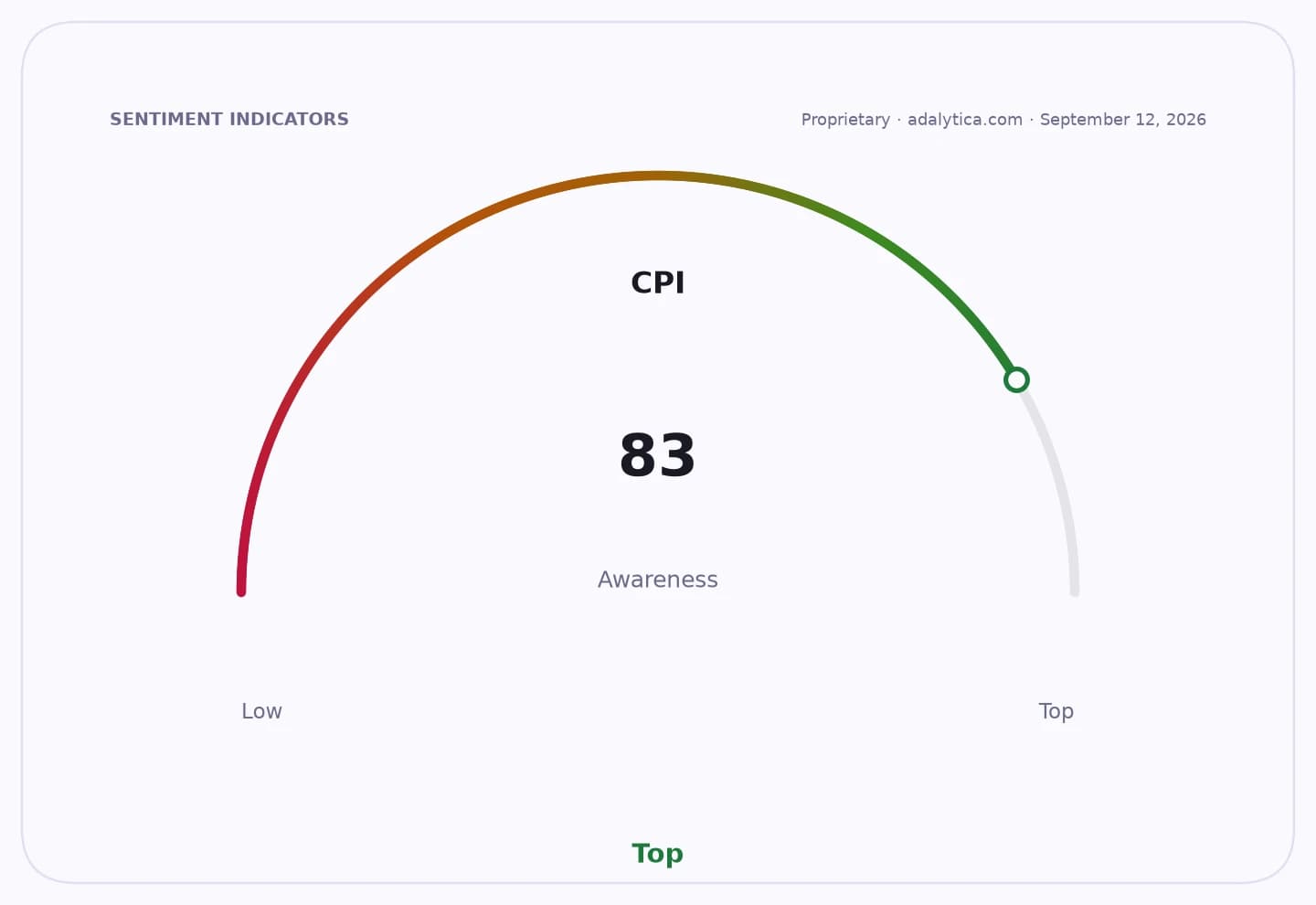
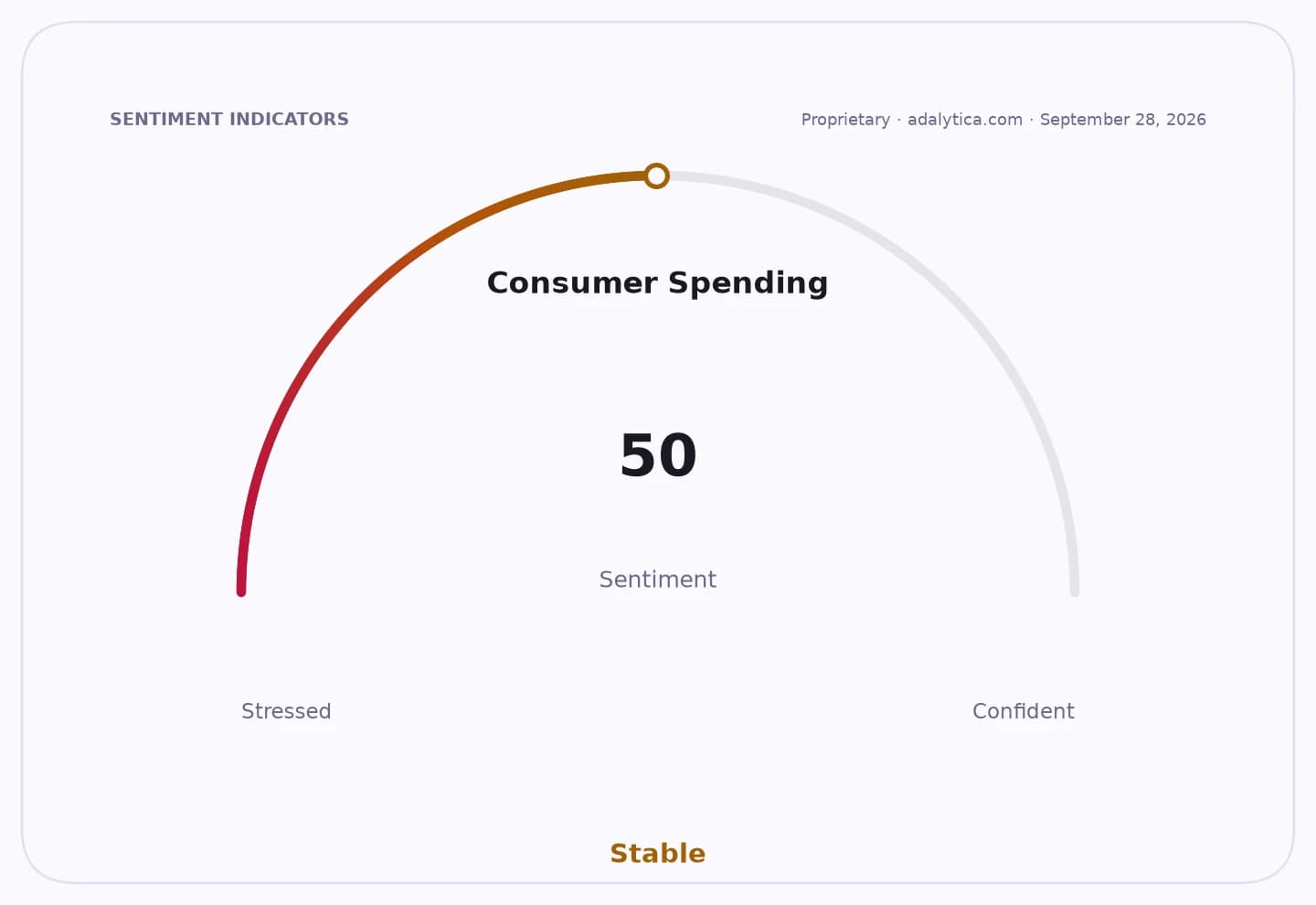
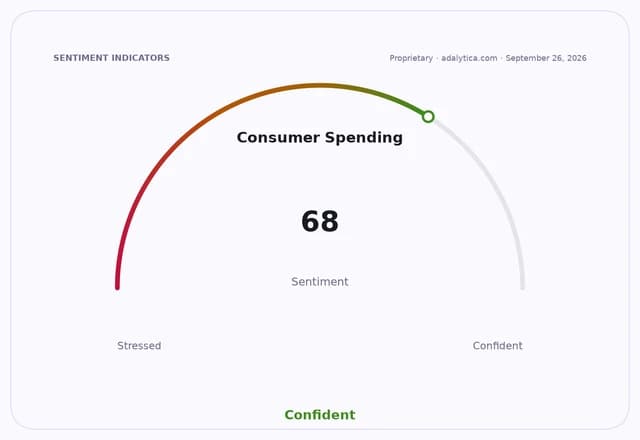
Sentiment IndicatorsⓘProprietary · adalytica.com · September 26, 2026
This is a snapshot — live sentiment, awareness and momentum for 130+ markets update continuously in the dashboard.Open AlphaPulse
A new Austrian National Bank study says hotels and restaurants account for roughly one-sixth of the country’s overall inflation rate, reflecting both their heavy weight in the inflation basket and their ability to keep raising prices after the pandemic. The average bill has risen 6.1% a year since 2019, yet the central bank says guests have not simply walked away. They are still traveling and still eating out, but they are buying less.
That is the key economic twist. Demand has been resilient enough to permit price increases, but not resilient enough to preserve spending per visit. In hotels, guests are spending less in real terms per night, while holiday apartments have surged 84% and simpler hotels have fallen 12%. In restaurants, classic inns and full-service eateries are losing ground to cheaper system chains, fast-food outlets and delivery-driven businesses.
For investors, that split matters. It suggests a two-speed consumer sector: premium operators with affluent customers are holding up better, while value players are taking share from mid-market names. That dynamic is visible far beyond Austria. In the U.S., restaurant chains have been dealing with a similar squeeze from wage inflation, protein costs and cautious diners, while hotels have seen growth depend on how much of their cost inflation can be passed through.
The deeper problem is that higher menu and room prices are not translating into higher earnings. The National Bank says the industry has faced steep increases in labor, energy and food costs, while productivity has fallen, meaning costs per meal or night have climbed further. Real value added in the sector was still 12% below 2019 last year, even after all the price hikes.
That is why this story matters for long-term investors. Inflation can make a sector look healthier than it is. Revenues rise, tabs get bigger and occupancy stays decent, but if costs rise faster and output per worker slips, margins get squeezed. In other words, higher prices do not automatically equal stronger businesses.
The long-term takeaway is that restaurants and hotels may keep contributing to inflation, but investors should care more about who can defend margins than who can simply charge more. Premium hospitality groups, efficient chains and brands with loyal customers are better positioned than undifferentiated operators. For patient investors, that makes selectivity essential — and watchful optimism is still warranted.
| Entity | Gains | Losses |
|---|---|---|
| Premium hotels | ▲Preserve pricing power | ▼Face slower volume growth |
| Budget hotels / holiday apartments | ▲Gain share from weaker rivals | ▼Undercut traditional hotels |
| Restaurant chains / delivery players | ▲Win value-conscious customers | ▼Need to absorb food and wage inflation |
| Classic inns and full-service restaurants | ▲Hold prices higher | ▼Lose spend per customer |