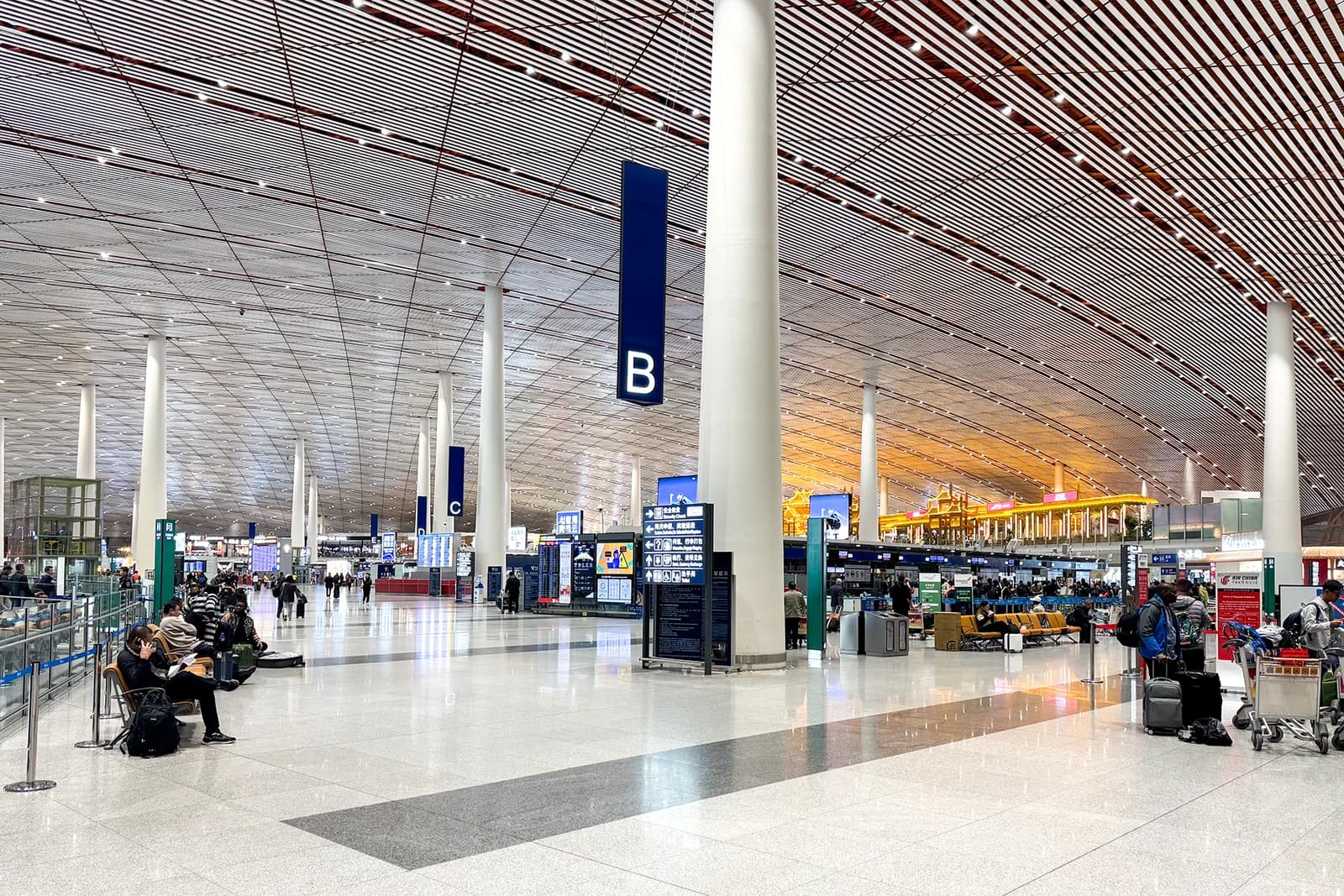
China’s National Day holiday gave investors a fresh sign that outbound and inbound travel demand is recovering, with 15.46 million cross-border trips recorded during the week-long break.
China Travel Trips Rise During National Day Holiday
That matters because travel flows are one of the clearest real-time gauges of consumer confidence, airline utilization and tourism spending. When millions of people move across borders, money tends to follow — into hotels, airlines, online booking platforms, airports and the broader services economy.
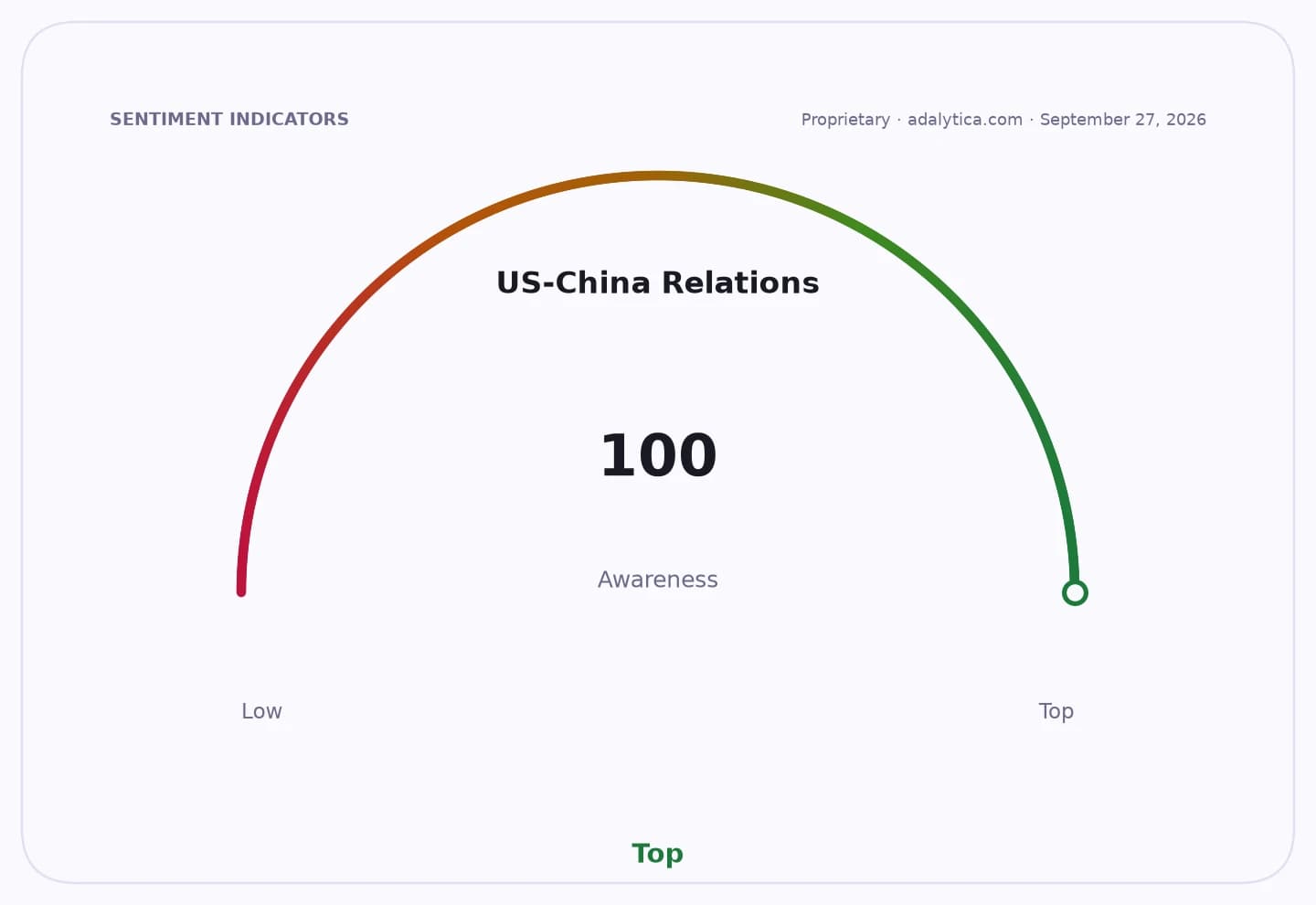
Sentiment IndicatorsⓘProprietary · adalytica.com · October 9, 2026
This is a snapshot — live sentiment, awareness and momentum for 130+ markets update continuously in the dashboard.Open AlphaPulse
China’s National Immigration Administration said daily cross-border trips averaged 2.21 million over the holiday, up 6.7% from a year earlier. Mainland residents made more than 4.44 million outbound trips, up 9.3%, while foreign nationals logged 682,000 inbound trips, a 5.4% increase. More importantly for the long-term story, 505,000 of those foreign arrivals came under visa-free policies, up 9.2%, underscoring how policy is being used to support tourism and business travel.
For investors, that points to a more durable recovery than a simple holiday pop. China has expanded unilateral visa-free entry to travelers from 50 countries and extended visa-free transit to 240 hours for eligible visitors, making it easier for foreigners to enter and stay. That can support airlines, airports, hotel operators and global travel platforms over time, especially if inbound tourism keeps rebuilding from a low base.
The holiday also showed where Chinese travelers want to go next. Long-haul destinations such as New Zealand and Iceland gained popularity on major Chinese travel platforms, a reminder that households are still willing to spend on experience-led travel rather than just domestic short breaks. That is a good sign for premium travel demand, a segment that tends to matter more for earnings than sheer trip counts.
For booking and travel companies with exposure to China, the message is encouraging but not explosive. Trip volumes are improving, yet the rebound still depends on sustained visa easing, steady income growth and a broader recovery in international capacity. Airline and hotel investors should also remember that travel demand can be volatile around holidays, and that long-haul routes are still sensitive to fares, geopolitics and capacity constraints.
Still, the direction is clear: China is reopening its travel economy in a way that should benefit cross-border commerce well beyond this one holiday. For long-term investors, that makes the recovery in Chinese travel worth watching, especially in global booking, airline and hospitality names with meaningful Asia exposure.
| Entity | Gains | Losses |
|---|---|---|
| Chinese travelers | ▲Easier overseas trips | ▼Higher holiday crowds, fares |
| Foreign tourists | ▲Faster entry under visa-free rules | ▼Still-cautious China demand |
| Booking platforms and airlines | ▲More cross-border volume | ▼Margin pressure from capacity |
| Investors in travel stocks | ▲Potential demand recovery | ▼Holiday volatility and policy risk |