Puma’s new largest shareholder is China’s Anta Sports, a shift that lands a weakened German sportswear brand in the hands of one of Asia’s most aggressive consolidators just as Puma fights to repair a record loss.
Puma shares rise on Anta Sports stake increase
That matters because ownership is now the story behind the stock. Anta’s purchase of French holding company Artémis’s stake lifts it to 29.06% of Puma, giving the Chinese group decisive influence over a company that generated only 7.3 billion euros in sales in 2025 and posted its worst-ever loss. For investors, the question is no longer whether Puma needs a turnaround — it is who has the balance-sheet strength, brand appetite and global sourcing reach to engineer one.
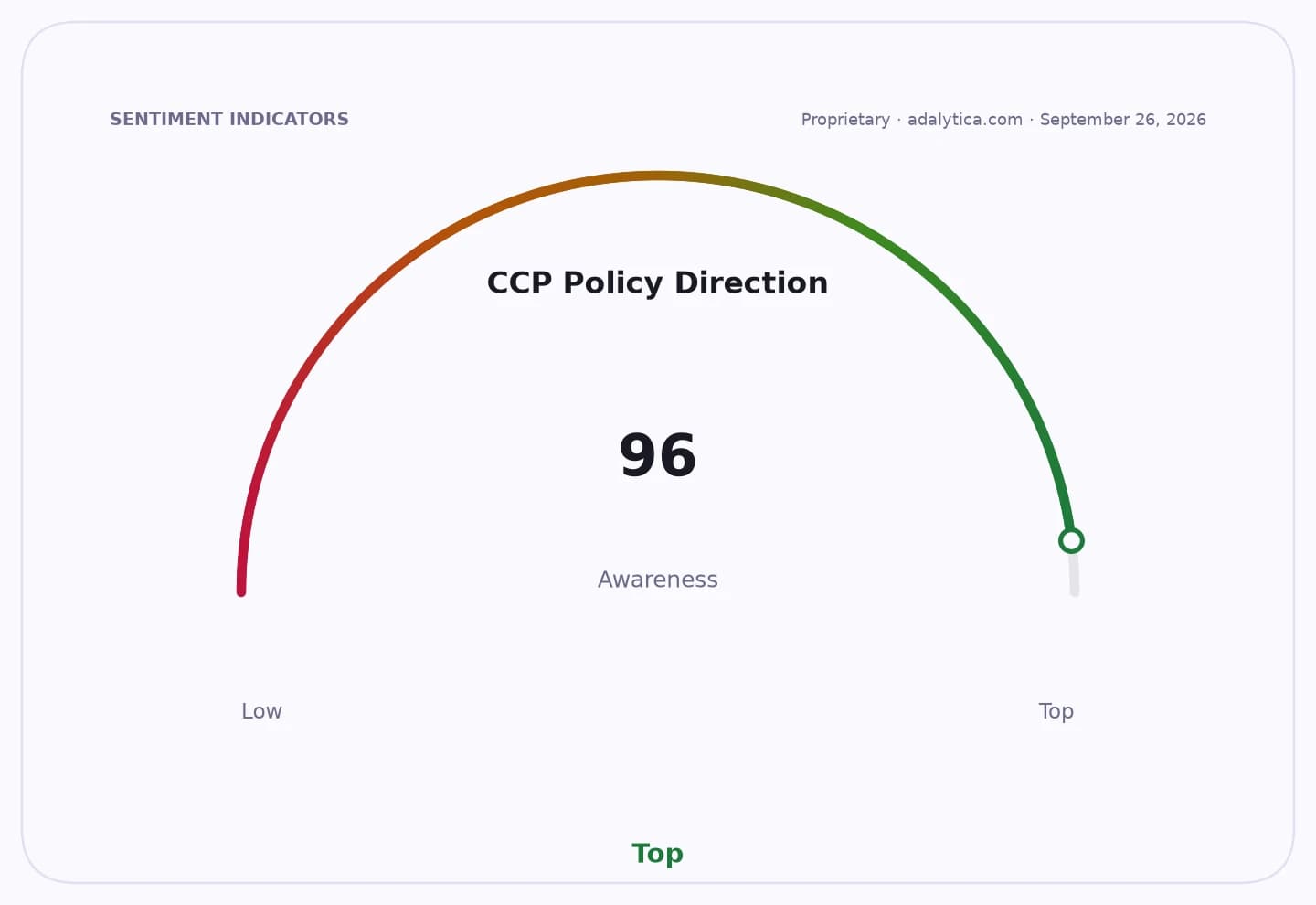
Sentiment IndicatorsⓘProprietary · adalytica.com · October 8, 2026
This is a snapshot — live sentiment, awareness and momentum for 130+ markets update continuously in the dashboard.Open AlphaPulse
Puma said it will remain independently managed, and Anta’s chairman, Ding Shizhong, called it an “iconic brand” with significant long-term potential. That is the right language for a strategic buyer, not a passive financial investor. Anta already knows how to build through acquisition: through Amer Sports, it controls Atomic skis and also owns brands such as Wilson and Arc’teryx. The company has become a case study in how Chinese capital is moving from domestic scale-up into global premium sports and outdoor assets.
The economic logic is straightforward. Puma has been shrinking into a more competitive market while Nike and Adidas continue to dominate the top end of the global industry. Anta, by contrast, has been expanding into higher-value categories and geographies. If it chooses to be more than a large minority owner, Puma becomes a candidate for operational overhaul, tighter sourcing, and possibly a broader Asian growth strategy. Even if no takeover follows, the presence of a committed strategic shareholder raises the odds of deeper restructuring and capital discipline.
The market implication is that Puma is no longer just a distressed European brand; it is now a geopolitical asset with optionality. Any move to increase the stake would have to navigate German, European and Chinese sensitivities, but the strategic attraction is obvious. Anta gets a globally recognized label at a depressed point in the cycle, while Puma gains a shareholder that has shown it will keep buying rather than retreating.
For investors, that makes Puma a high-risk turnaround with corporate action potential, while Anta strengthens its standing as the consolidator to watch in global sportswear. The broader trade is bigger than one company: it is a reminder that Chinese consumer brands are still looking outward for growth even as Western sportswear names struggle with margin pressure, weak demand and a tougher competitive landscape. If Anta proves willing to back Puma with more capital or operational support, the next rerating could come fast.
| Entity | Gains | Losses |
|---|---|---|
| Anta Sports | ▲Global brand exposure | ▼Cash and execution risk |
| Puma | ▲Strategic backer | ▼Independence and control |
| Artémis SAS | ▲Exits stake at value | ▼Future upside |
| Adidas/Nike | ▲Rival distraction | ▼Share of attention |