BMW’s “Masters” promotion is a small but useful reminder of how carmakers and consumer brands keep investing in sports-style marketing to stay visible with buyers, even when the real prize is long-term brand loyalty rather than a quick sales bump.
BMW Masters promotion and Nike marketing spending
The immediate story is straightforward: BMW is using a golf-themed “BMW Masters” activation to push test drives and spotlight its M models, while Nike’s latest filing shows it is still spending heavily to defend its own brand through major sports marketing and retail investment. For investors, that matters because both companies are leaning on one of the oldest tools in consumer capitalism — associating a product with aspiration, performance and status — at a time when competition is intense and pricing power is not guaranteed.
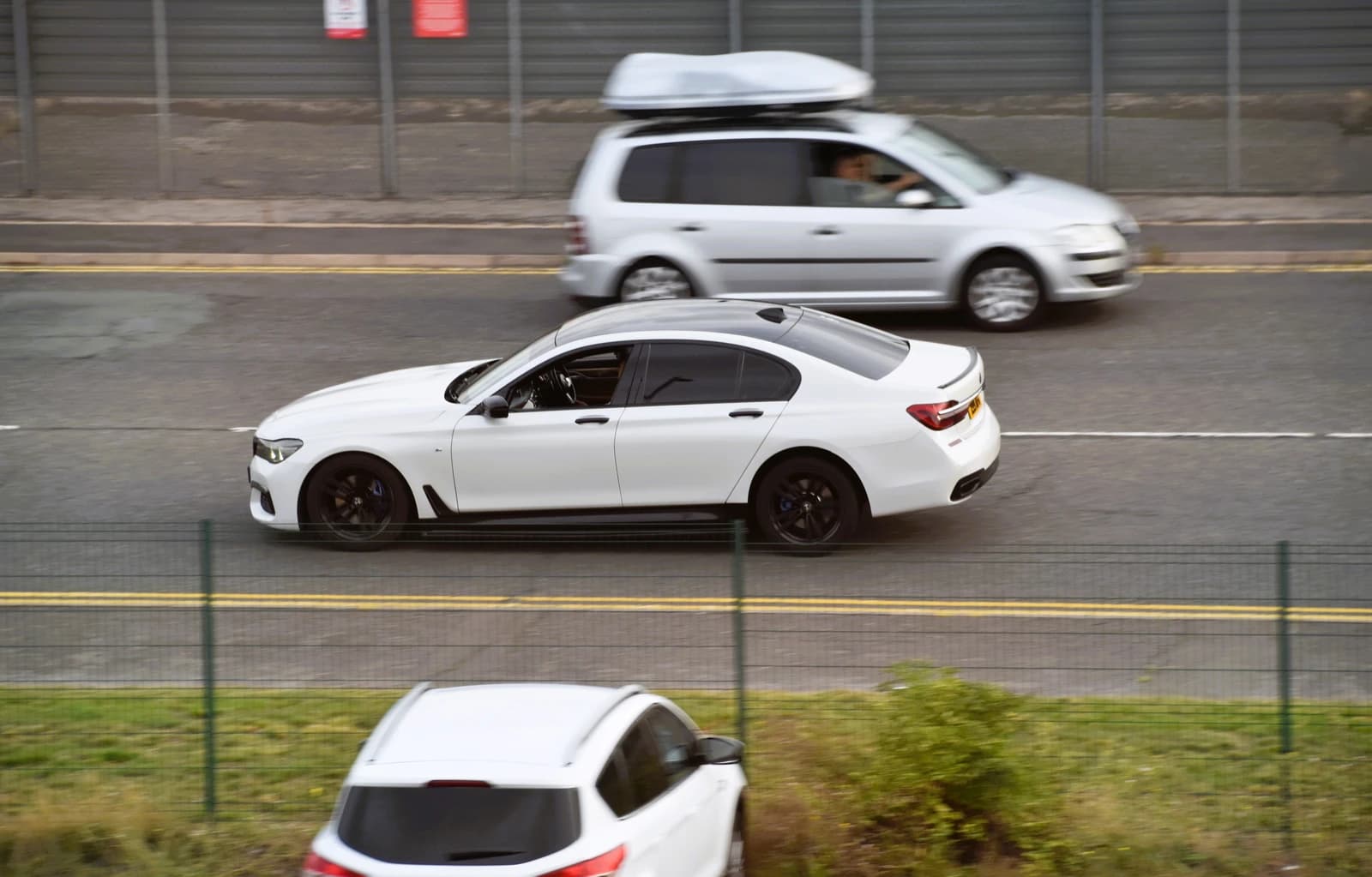
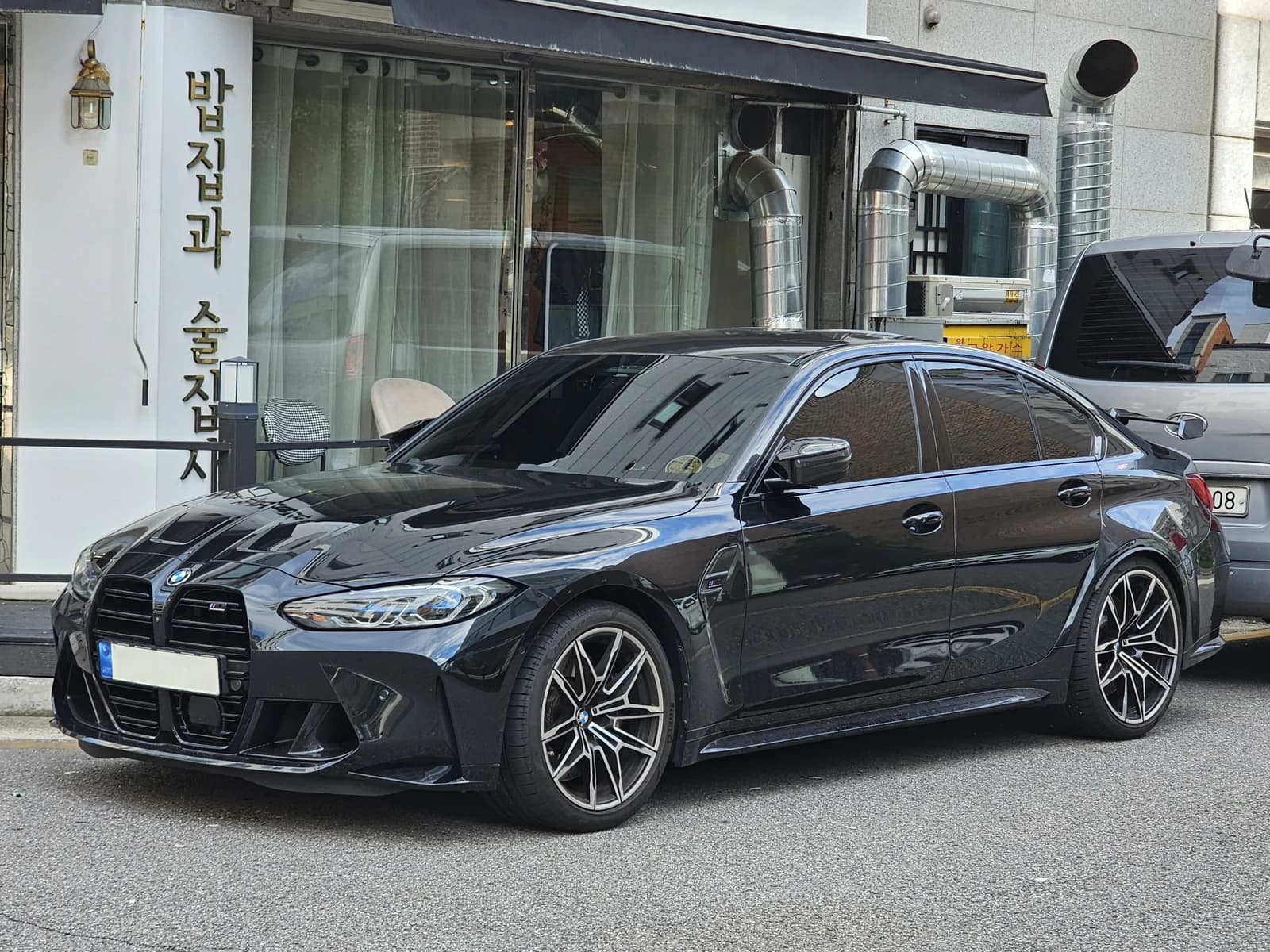
In BMW’s case, the promotion is built around a challenge format that puts the BMW M line front and center, with the company even referencing its in-car drift analyzer as part of the experience. That may sound like pure marketing theater, but it serves a larger purpose: luxury and performance carmakers sell identity as much as hardware. Getting potential customers into a car, even briefly, can matter more than a thousand impressions online.
Nike’s numbers show the same logic from a different angle. In its latest quarter, demand creation expense rose 5% to $1.252 billion, while the company also said it is increasing markdowns and wholesale discounts to clear inventory and make room for new product. That tells investors two things at once: the brand is still worth spending on, but the retail environment remains demanding enough that even a global leader has to work hard for every sale.
For long-term investors, the bigger takeaway is not the ad itself, but the economics behind it. Premium brands tend to win by staying culturally relevant and emotionally sticky, because that can support higher margins over time. BMW wants buyers to feel its M cars are not just transportation but performance objects. Nike wants athletes and consumers to keep seeing its swoosh as the default choice. Those are expensive goals, but they can also be durable moats if management gets them right.
The risk, of course, is that marketing spend only pays off if the product still resonates and the pricing stays competitive. BMW faces the usual luxury-auto pressure from rivals, while Nike is still trying to balance brand investment against discounting and inventory cleanup. Neither company can advertise its way out of a weak product cycle.
For investors, that makes both names worth watching rather than chasing. The promotions and spending plans suggest management teams are still fighting for mindshare, and in consumer-facing businesses, that fight can shape cash flow for years. Patient shareholders should focus less on the noise of the campaign and more on whether these brands can keep converting attention into repeat purchases and resilient margins.
| Entity | Gains | Losses |
|---|---|---|
| BMW | ▲Brand exposure | ▼Marketing spend |
| BMW M customers | ▲Test-drive access | ▼None |
| Nike | ▲Brand visibility | ▼Higher promo costs |
| Rival brands | ▲None | ▼Attention share |