A second BMW M3 Competition has arrived in Moldova and is now listed for a buyer at nearly 100,000 euros, underscoring how a niche performance-car market is being shaped less by volume and more by high-margin exclusivity.
BMW Moldova Lists M3 Competition Near 100,000 Euros
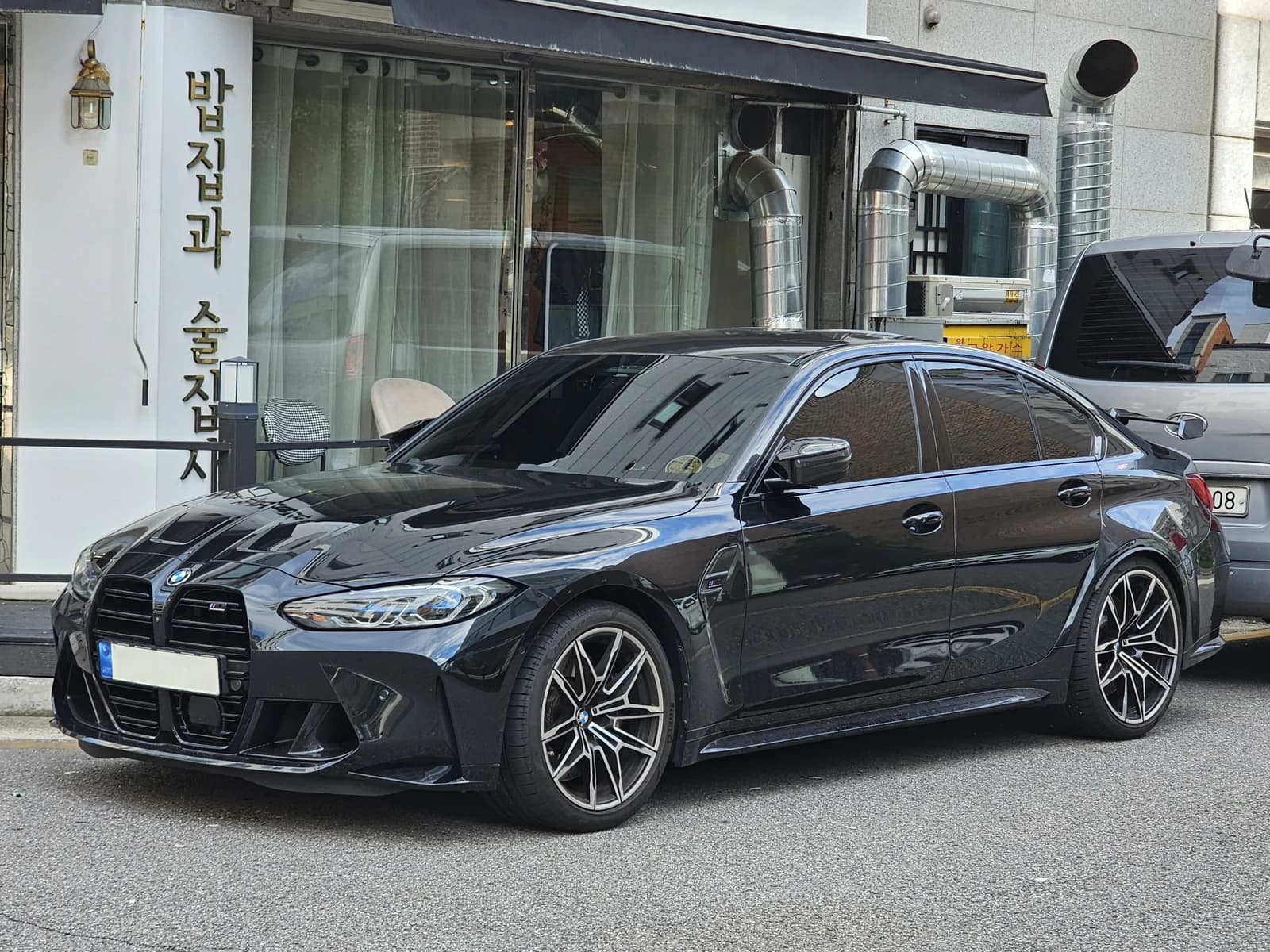
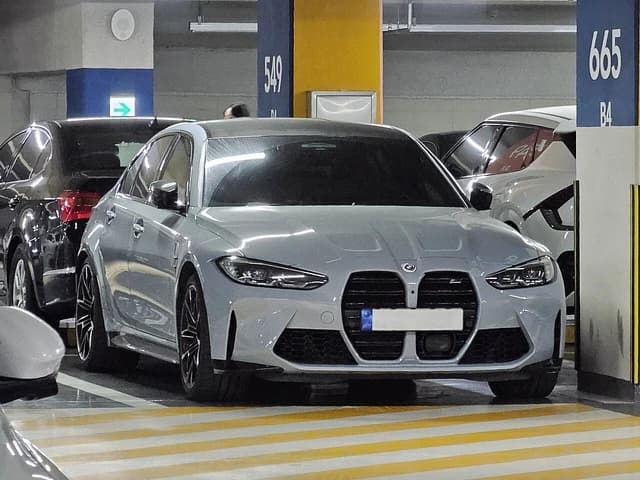
The white sedan on display at BMW Moldova’s showroom in Chisinau is not just another import. It is a rear-wheel-drive M3 Competition, the latest generation of BMW’s high-performance sport sedan, fitted with the brand’s 3.0-liter inline-six M TwinPower Turbo engine producing 510 horsepower and 650 Nm of torque. BMW says it can accelerate from 0 to 100 kph in 3.9 seconds, with a top speed option raising the limiter to 290 kph, while the example shown is also equipped with costly extras including M carbon-ceramic brakes, carbon-fiber interior trim, adaptive LED and Laserlight headlights and M Carbon bucket seats.
For Moldova, where the base price of an M3 Competition starts at 72,500 euros, the significance is not the car’s outright performance but the pricing power it reflects. A nearly six-figure configuration places the model firmly in the luxury and enthusiast segment, where demand is driven by status, scarcity and specification rather than broad consumer affordability. In a smaller market, each sale matters disproportionately: it can signal the depth of local wealth at the top end even as the broader auto market remains vulnerable to financing costs, import expenses and weaker discretionary spending.
That dynamic matters for investors because premium brands tend to defend margins far better than mass-market automakers when economic conditions tighten. The M division’s ability to sell highly optioned cars at elevated prices supports BMW’s profitability mix, particularly if buyers continue to absorb expensive packages such as carbon-ceramic brakes and track-oriented seats. The risk, however, is that such demand is concentrated and cyclical. A slowdown in high-income spending or a cooling in imported luxury consumption can quickly leave dealers with expensive inventory in a market like Moldova.
The broader story is one of how performance cars have become part product, part asset in status markets across Eastern Europe, where a limited supply of showcase models can attract outsized attention. BMW’s presence in Chisinau also highlights how global luxury automakers use local dealerships to test the upper end of demand even in relatively small economies. For now, the second M3 Competition in Moldova is less a mass-market event than a reminder that the luxury auto business still runs on scarcity, specification and price discipline.
| Entity | Gains | Losses |
|---|---|---|
| BMW Moldova | ▲Higher-margin sale | ▼Inventory risk if unsold |
| Wealthy buyers | ▲Access to rare performance model | ▼Higher ownership cost |
| BMW Group | ▲Premium brand pricing power | ▼Exposure to cyclical luxury demand |
| Mass-market auto dealers | ▲Spillover showroom traffic | ▼No benefit from exclusivity |