BMW’s historic Munich factory has produced its 1 millionth M car just as the plant prepares to end combustion-era production and switch exclusively to electric vehicles from 2027, underscoring how the premium carmaker is using one of its most iconic performance badges to bridge into its next manufacturing cycle.
BMW Munich plant makes 1 millionth M car
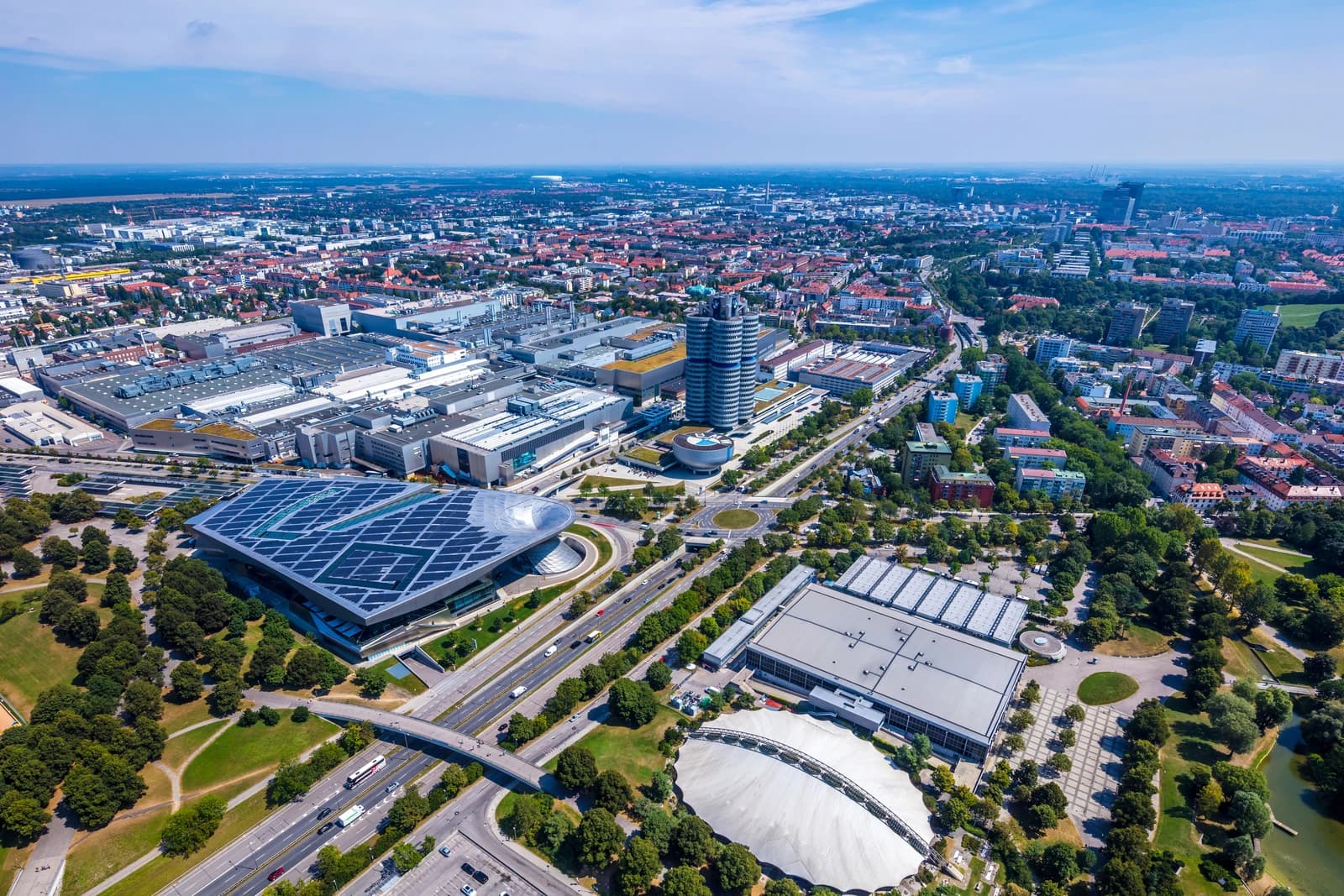
The milestone matters because it is more than a branding exercise. It marks the end of an era for the company’s main plant, which has been the heart of BMW production since 1922, and the start of a costly industrial reset aimed at keeping one of Germany’s best-known carmakers competitive as Europe tightens emissions rules and demand shifts toward battery-powered models. BMW has spent about 650 million euros upgrading the site, building a new body shop, modern assembly areas and logistics systems across roughly a third of the factory footprint so it can produce electric models without shutting down current operations.
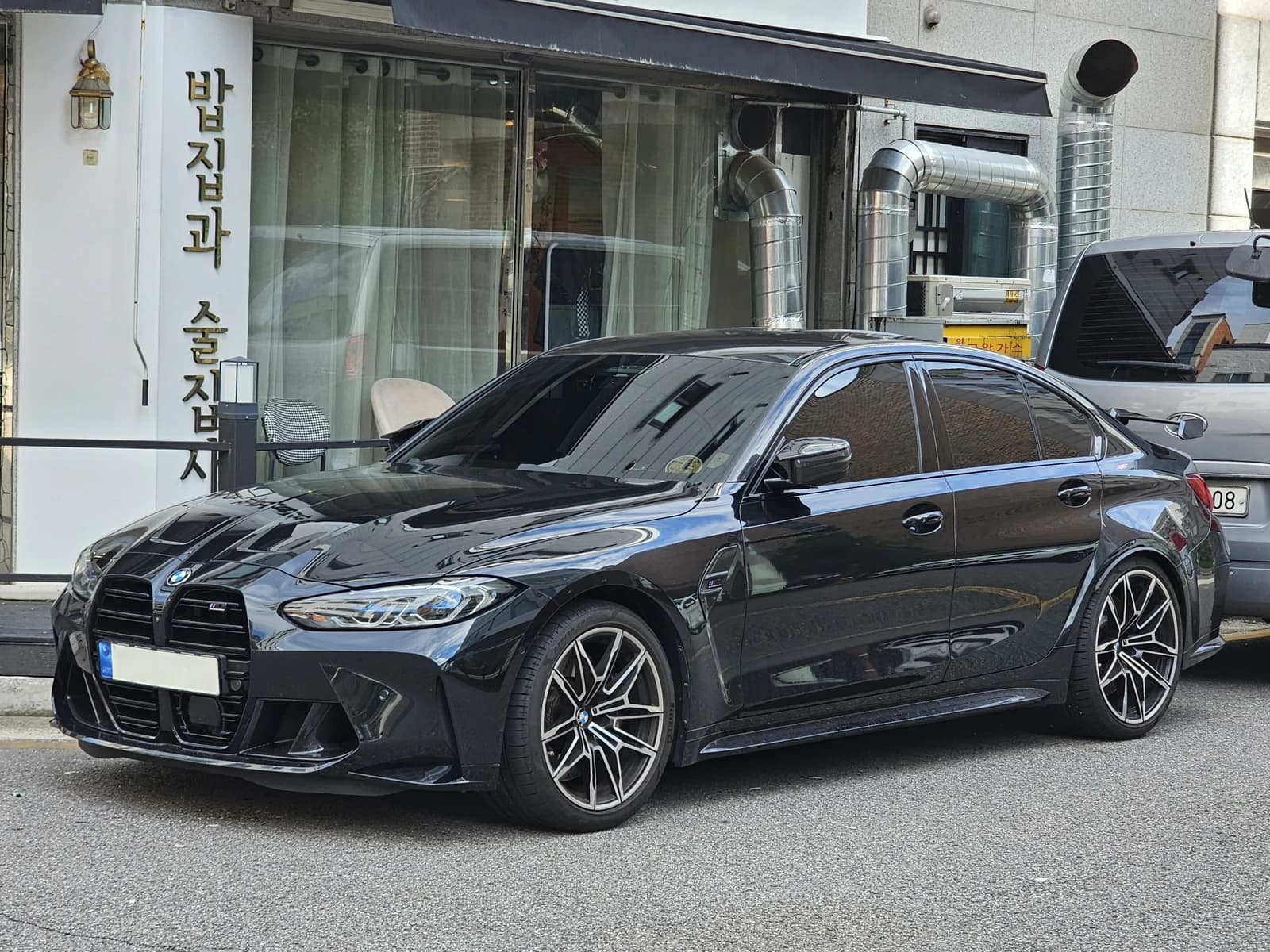
The millionth M car is a BMW M3 in Fire Orange III, produced as the performance sedan line also celebrates 40 years since its launch. That symbolism matters commercially as well as emotionally. The M division remains one of BMW’s most profitable image assets, supporting pricing power in a luxury market where volume growth alone no longer guarantees margins. By tying the achievement to the M3, BMW is reinforcing the value of performance heritage even as it prepares to build the next-generation electric M3 on the Neue Klasse platform alongside the i3 at Munich.
For investors, the key question is whether BMW can preserve that premium identity while absorbing the capital cost of retooling and the execution risk of electrification. The company’s shares have been under pressure, with BMWYY trading at $11.16 on the latest available data, well below its 200-day moving average of $14.36 and with RSI readings near 10, indicating deeply oversold conditions by conventional technical measures. That suggests the market has little patience for delays, margin compression or any sign that BMW’s EV transition could dilute the appeal of its core brands.
The Munich shift also carries broader implications for the German auto sector. BMW is effectively turning a century-old combustion-era site into a dedicated EV plant while keeping production running, a reminder that the industry’s transition is now less about long-term strategy than about managing expensive overlap between old and new technologies. That is supportive for battery supply chains and EV-capable suppliers, but it raises pressure on legacy drivetrain makers and on any manufacturer that relies too heavily on diesel or internal-combustion demand in Europe.
BMW’s move away from diesel in the 3 Series in Europe fits the same pattern: a deliberate narrowing of combustion offerings as regulators and buyers move on. The bull case is that BMW can defend its premium positioning, use the Neue Klasse to reset its EV lineup and keep the M brand aspirational in electric form. The bear case is that the company takes on heavy investment just as European demand remains uneven and performance EVs must prove they can deliver both excitement and acceptable profitability.
What happens next will matter beyond Munich. If BMW can launch the electric M3 and broader Neue Klasse models without eroding margins, it will strengthen the case that legacy luxury makers can reinvent flagship plants rather than abandon them. If not, the 1 millionth M car may come to symbolize not just heritage, but the high cost of preserving it.
| Entity | Gains | Losses |
|---|---|---|
| BMW M division | ▲Brand equity, premium pricing | ▼Combustion-era identity |
| Munich plant | ▲EV future, new investment | ▼Diesel and ICE production |
| EV suppliers | ▲New production demand | ▼Legacy drivetrain vendors |
| BMW shareholders | ▲Optionality if transition works | ▼Margin pressure, execution risk |