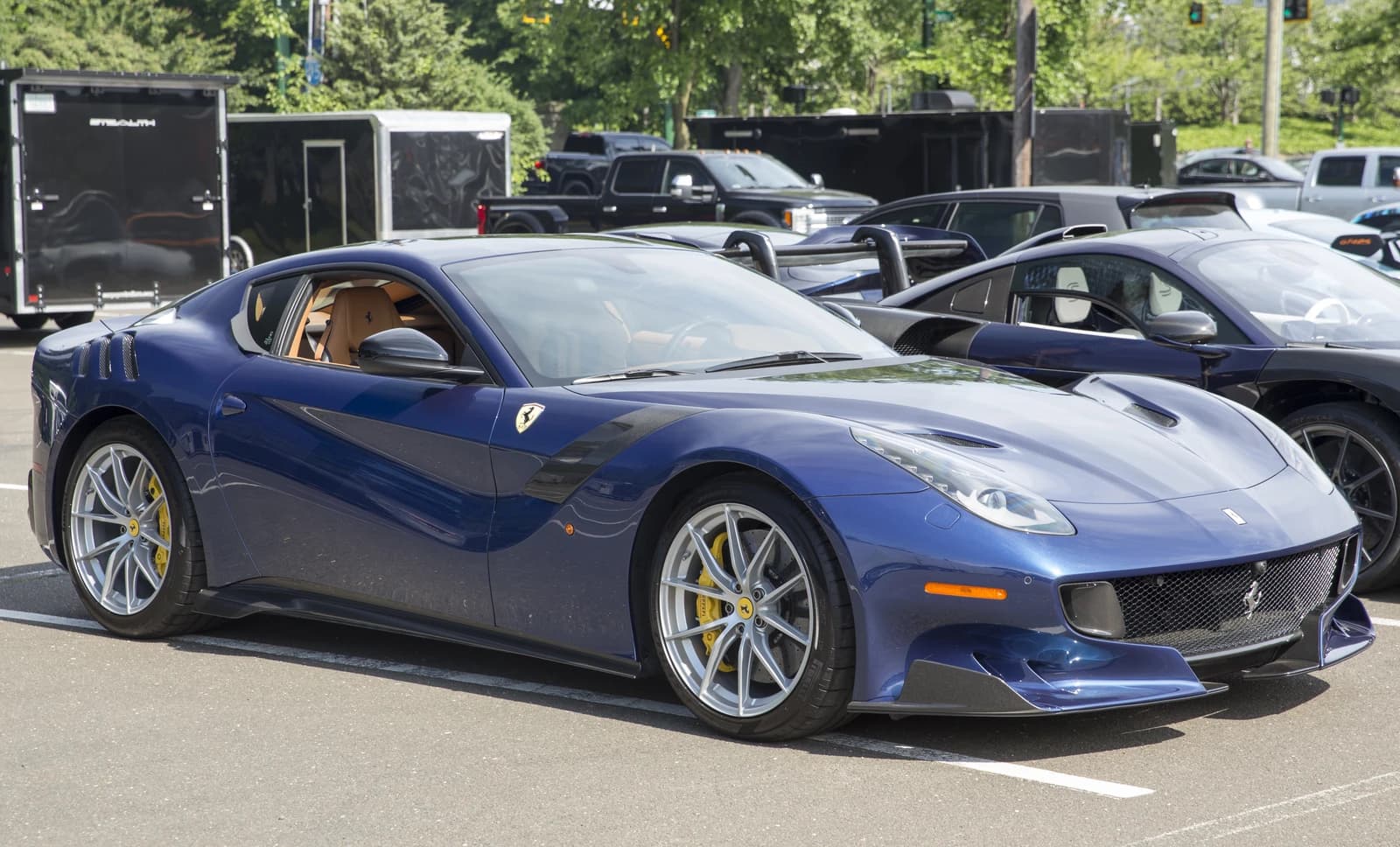
A Dutch entrepreneur’s decision to give his 10-year-old son a $1.6 million Ferrari underscores how extreme wealth is increasingly expressed through rare assets rather than ordinary consumption, even as luxury automakers face a more uneven market for high-end cars.
Ferrari 599 GTO Gift Highlights Ultra-Luxury Demand
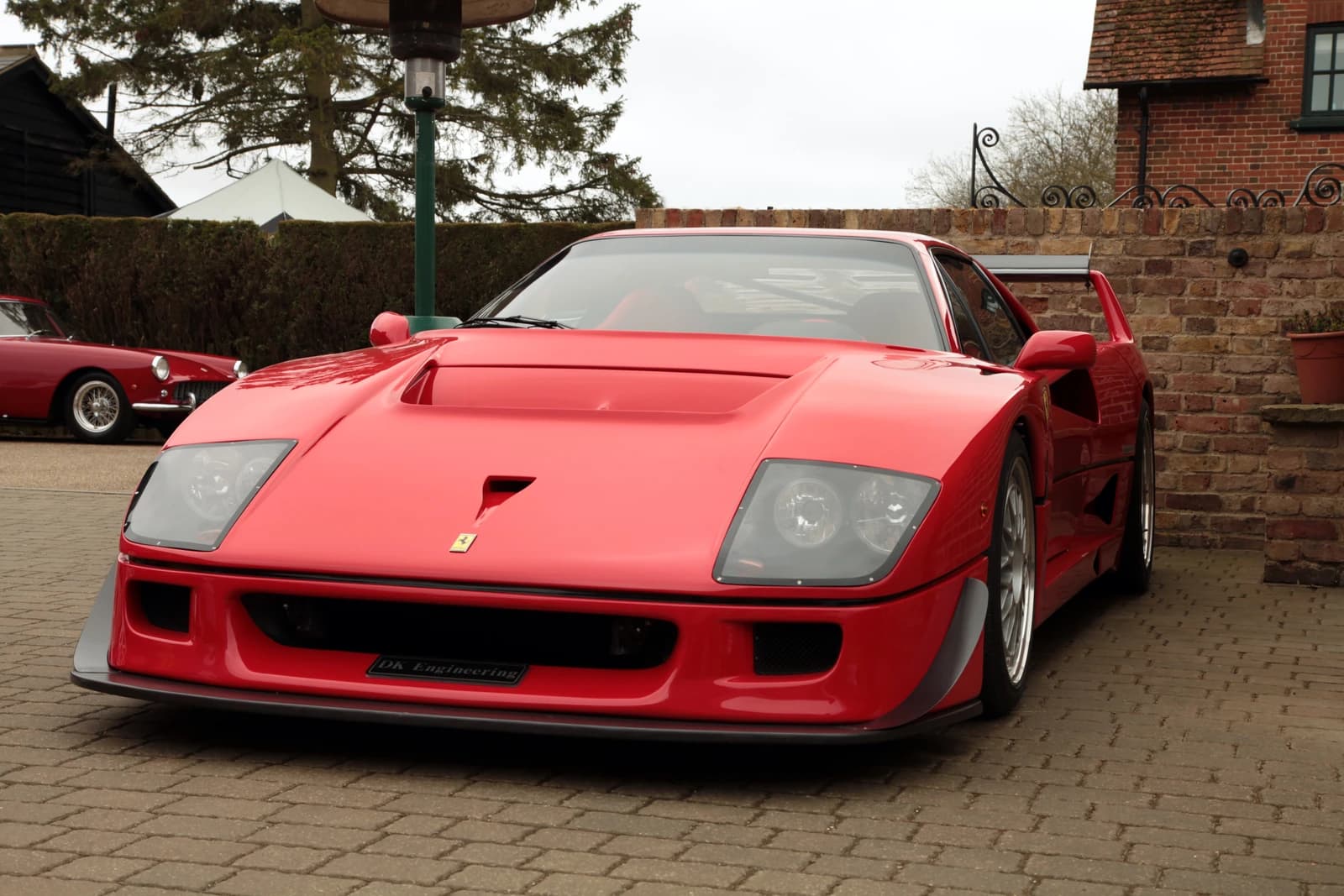
The gift — a Ferrari 599 GTO, one of just 599 built — is more than a family anecdote. It is a window into the economics of scarcity at the very top of the luxury market, where limited production, collector demand and brand mythology can lift a vehicle far beyond its original sticker price. For investors, that matters because the ultra-luxury segment often proves more resilient than mainstream discretionary spending, supported by buyers for whom price is a secondary consideration and exclusivity is the real product.
The car went to the son of Jeroen van den Berg, a Dutch car collector and entrepreneur better known online as thehomelessguy. Van den Berg runs Carlink, a business that imports and exports rare cars and supplies corporate clients, and previously estimated annual revenue at about $113 million. His garage already includes a Tailor Made Ferrari 488 Spider, a Bugatti Chiron and a Ford GT, placing the purchase firmly in the world of collectible automotive assets rather than conventional gifting.
That distinction is important. The Ferrari 599 GTO is powered by a naturally aspirated 6.0-liter V12 producing more than 660 horsepower and revving above 8,000 rpm, the sort of specification that helps sustain collector value long after a model leaves production. Scarcity, performance pedigree and brand cachet can combine to turn a car into an appreciating asset, particularly when the supply is fixed and the buyer pool is global.
The broader backdrop is a luxury economy increasingly shaped by wealth concentration. Recent reports on household balance sheets have pointed to record net wealth levels, but also to a widening gap between the richest households and everyone else. That split matters because it helps explain why top-tier luxury brands can keep finding demand even when consumers elsewhere are under pressure from higher borrowing costs and softer sentiment.
For Ferrari, the story is less about one gift than about the durability of its pricing power. The company’s appeal rests on limited supply, high margins and an owner base insulated from the cycle that hits mass-market autos first. But the stock has still shown sensitivity to broader market moves, with recent trading leaving it below its 50-day and 200-day moving averages and with RSI readings indicating a cooling from earlier strength after an overbought stretch. That suggests investors are still balancing Ferrari’s structural exclusivity against valuation discipline and the risk that even premium demand can slow at the margin.
The bull case is that ultra-wealthy buyers remain active, collector cars retain liquidity, and Ferrari’s brand remains one of the most powerful in global consumer goods. The bear case is that the luxury car market is vulnerable to sentiment shifts, higher rates and cyclical pullbacks in discretionary spending, especially if asset-rich buyers become more selective.
For now, the $1.6 million 599 GTO is a reminder that in the highest rungs of the luxury market, price is often no barrier — and scarcity, not utility, is what keeps demand elevated.
| Entity | Gains | Losses |
|---|---|---|
| Ferrari | ▲Scarcity-driven brand power | ▼None directly |
| Ultra-wealthy collectors | ▲Status asset, potential appreciation | ▼Cash liquidity |
| Mainstream consumers | ▲Little direct benefit | ▼Relative affordability |
| Ferrari shareholders | ▲Pricing power narrative | ▼Near-term valuation risk |