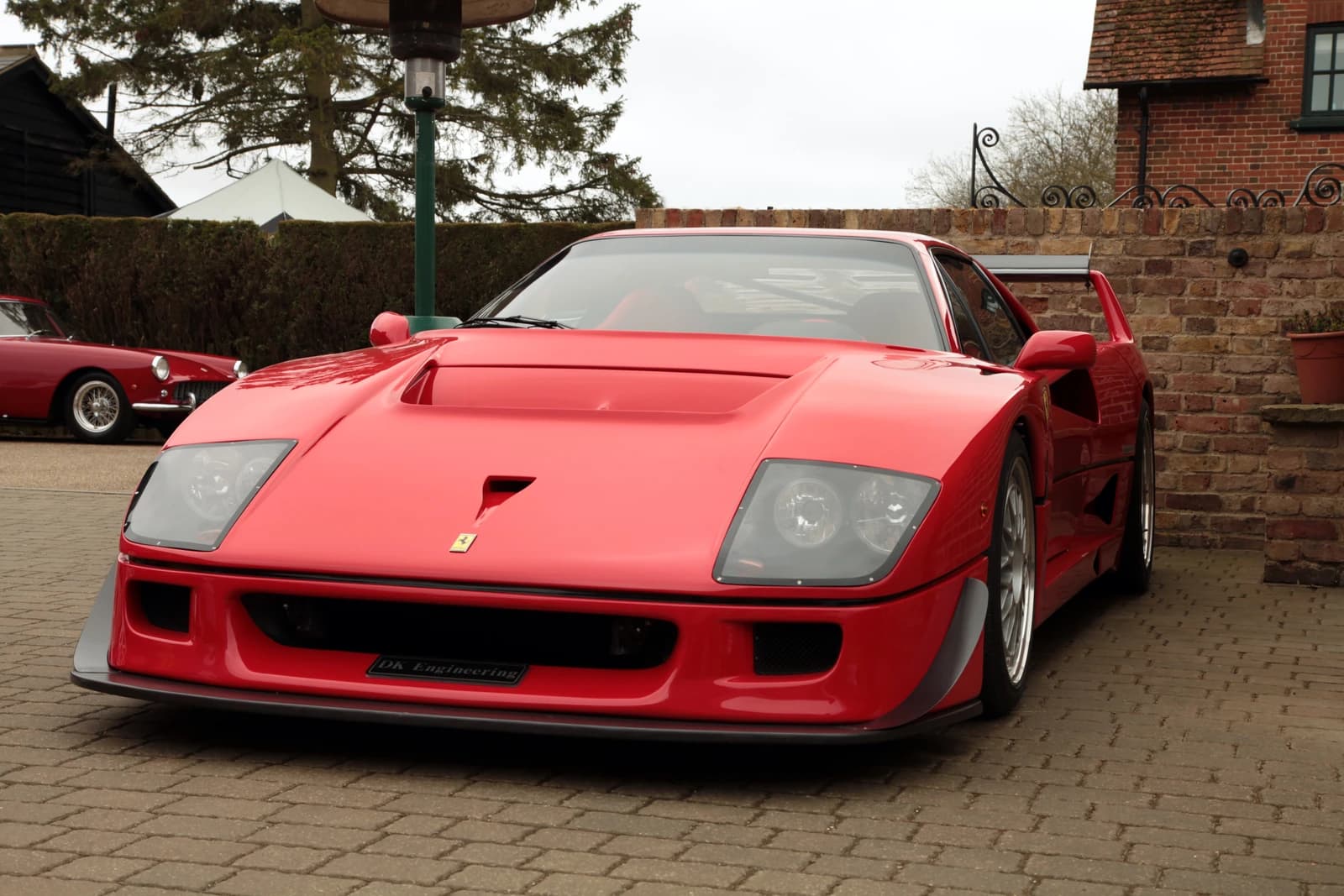
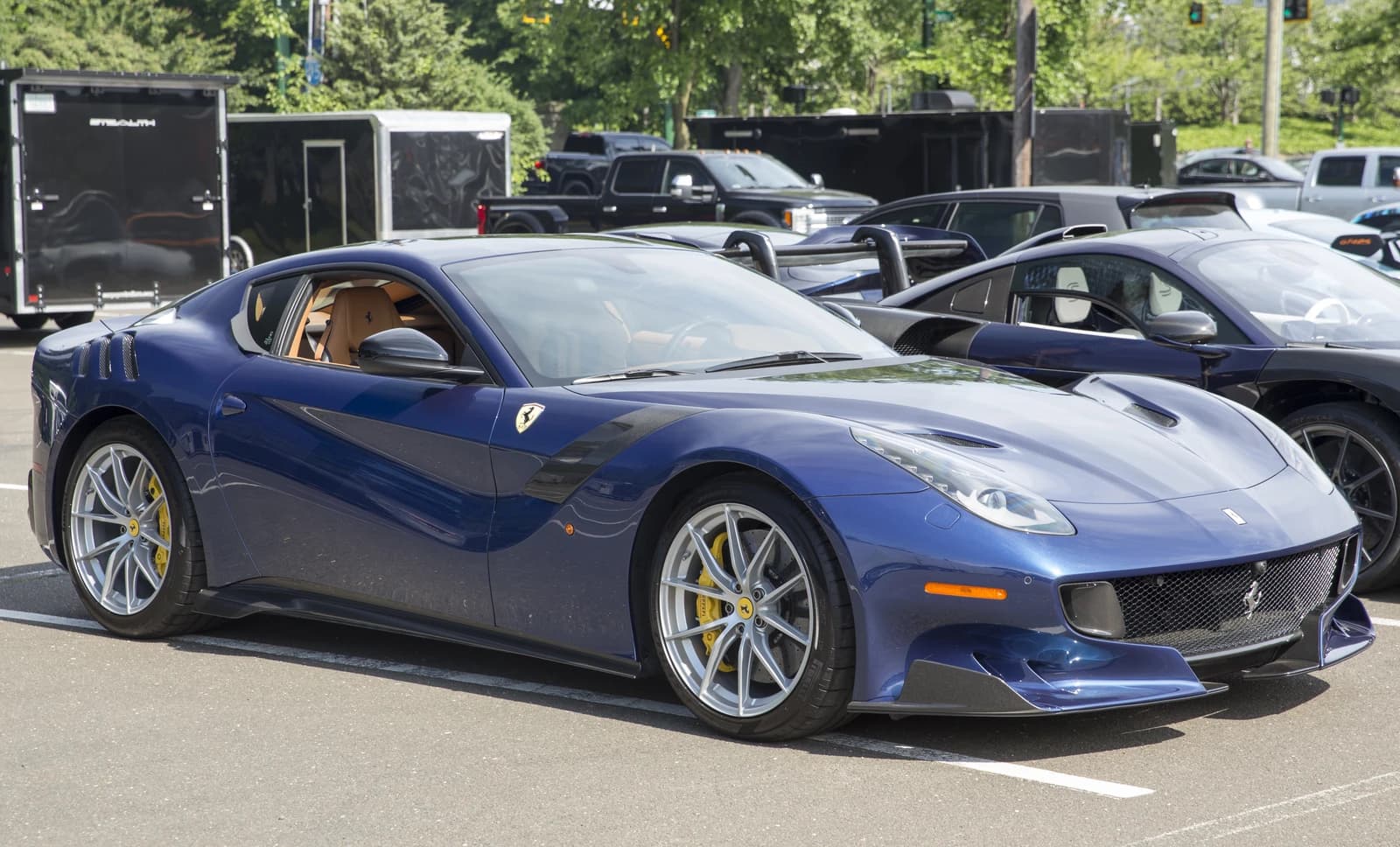
A Ferrari F12tdf changed hands for $1.32 million, a reminder that the rarest collector cars can still behave less like transportation and more like hard assets.
Ferrari F12tdf sells for $1.32 million at Mecum
That matters because the market for ultra-low-production exotics has become a genuine store of value for wealthy buyers who prize scarcity, provenance and condition. In this case, the buyer paid far more than the roughly $630,000 the car would have cost new once options, delivery and factory extras were included, underscoring how a limited run can turn into a long-term appreciation story.
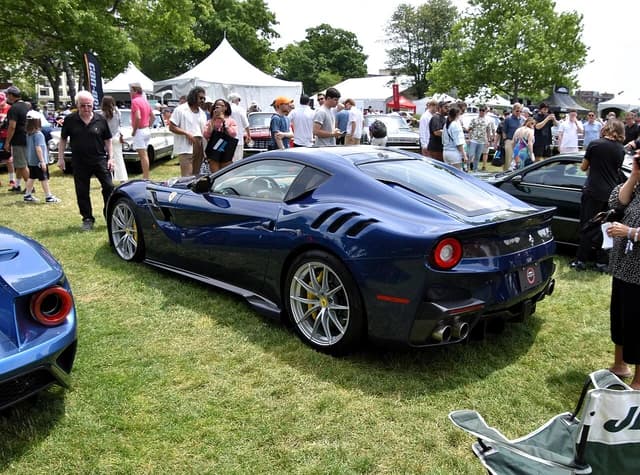
The car was sold at Mecum’s Kissimmee auction in Florida and came from philanthropist Michael Fux’s collection. The example was finished in the rare Giallo Triplo Strato color, had just 241 km on the odometer and was one of only 799 F12tdf models built. For collectors, that combination is what creates pricing power: a celebrated badge, a track-focused specification and production numbers low enough to keep supply permanently tight.
The Ferrari F12tdf itself is the kind of car that attracts capital even in a cautious market. Its 6.3-liter V12 makes 780 horsepower, it can sprint to 100 km/h in 2.9 seconds and reach 340 km/h, but the performance figures are only part of the appeal. What investors and collectors are really buying is rarity, brand equity and the possibility that the next owner will pay even more for the same attributes.
For long-term investors, the lesson is less about chasing a single auction result than recognizing how luxury brands can create value that extends well beyond their showroom cycles. Ferrari has spent decades turning limited supply into durable desirability, and that same discipline supports pricing across the company’s broader business, from road cars to licensing and merchandising.
There are, of course, risks. Collector-car prices can cool quickly if liquidity dries up, tastes shift or auction supply rises. But the strongest names in the segment tend to hold up best because they are driven by a small number of buyers who care more about uniqueness than short-term price moves.
For investors, that makes Ferrari worth watching as a brand with pricing power that shows up not just in earnings, but in the way its products retain and sometimes multiply value over time. In a world where scarcity still matters, that is a powerful competitive advantage.
| Entity | Gains | Losses |
|---|---|---|
| Ferrari | ▲Brand prestige, pricing power | ▼Little direct downside |
| Collector buyer | ▲Scarcity asset, status, potential appreciation | ▼Large upfront capital |
| Seller / consignor | ▲Cashing out a prized asset | ▼Future upside from further gains |
| Other luxury-car owners | ▲Higher comps for rare models | ▼Harder to buy at old prices |