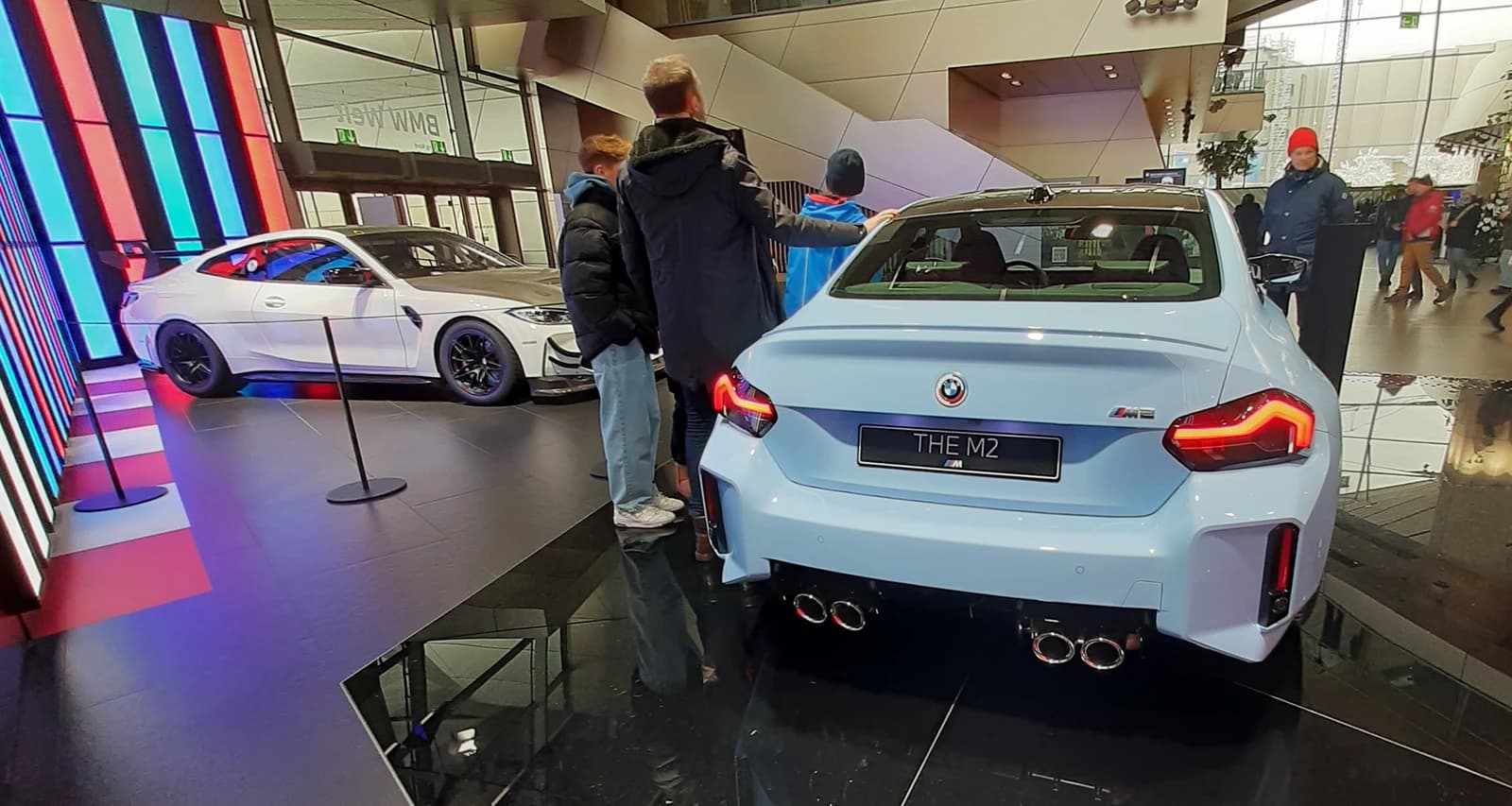
BMW M has reached a key production milestone with its millionth vehicle, underscoring that demand for high-margin performance models remains strong even as the broader European auto industry is squeezed by weakening demand, Chinese competition and a costly transition to electrification.
BMW M Reaches 1 Million Vehicle Milestone
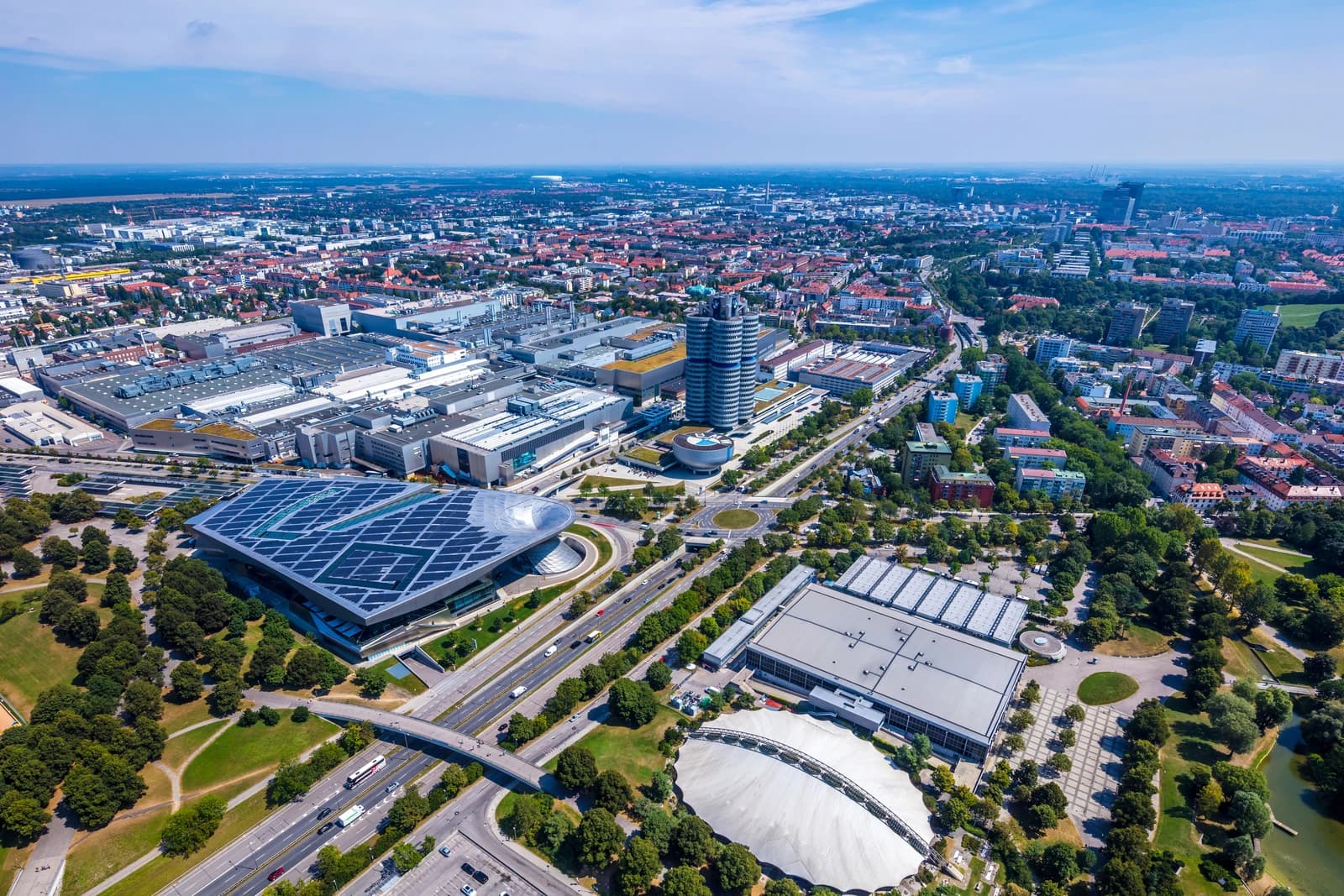
The millionth BMW M car was a BMW M3 finished in the Fire Orange III colour from BMW Individual, rolling off the line at BMW Group’s Munich plant. The launch lands as BMW prepares to expand the 3 Series line-up with a new six-cylinder combustion-engine model and before the company’s Neue Klasse generation arrives in 2027, suggesting Munich is still willing to defend enthusiast cars that carry pricing power while it retools for the next era of electric vehicles.
Sentiment IndicatorsⓘProprietary · adalytica.com · October 2, 2026
This is a snapshot — live sentiment, awareness and momentum for 130+ markets update continuously in the dashboard.Open AlphaPulse
For BMW, the significance is less about the ceremonial milestone than the economics behind it. M-branded cars sit at the top end of the group’s portfolio, where customers are typically less sensitive to price and more receptive to bespoke trim, performance upgrades and limited-edition variants. That helps margins at a time when the mass market is under pressure from affordability concerns, higher financing costs and the growing appeal of lower-priced Chinese brands in Europe and beyond.
The new M3 also matters strategically because it reinforces BMW’s dual-track approach: continue selling combustion-engine performance cars where demand still exists, while spending heavily on new architecture and software for the next product cycle. That can help bridge earnings through the transition, but it also reflects the delicate balance facing legacy automakers, which must keep traditional buyers engaged without overcommitting capital to platforms with a finite lifespan.
Investors are likely to read the announcement as a reminder that BMW’s premium positioning still differentiates it from volume competitors. The company’s ability to monetize brand equity through M and Individual variants supports the case for resilient returns, particularly if it can keep output local in Germany and preserve manufacturing efficiency. The bear case is that these halo models, while profitable, are not immune to a slowdown in discretionary spending or to a regulatory environment that is steadily tilting away from internal combustion engines.
For suppliers and peer automakers, the message is more mixed. A strong M franchise supports demand for performance components, powertrains and premium interiors, but it also highlights how fiercely premium brands are competing to protect share as the market fragments. The next catalyst will be whether BMW can convert this brand momentum into broader sales stability as it rolls out the Neue Klasse and manages the cost of keeping both combustion and electric portfolios alive at once.
| Entity | Gains | Losses |
|---|---|---|
| BMW M | ▲Stronger brand equity | ▼None immediate |
| BMW | ▲Higher-margin halo sales | ▼Higher transition costs |
| Suppliers | ▲Ongoing premium component demand | ▼EV-combustion mix uncertainty |
| Chinese and volume rivals | ▲— | ▼Premium share pressure |