Hit-Point said it has not asked for the Chinese version of Travel Frog to be shut down, even as the game’s operator prepares to end service in December 2026 after an expired licensing deal left both sides at odds.
Hit-Point Travel Frog China Service Set to End
That matters because the real story here is not just one mobile game losing support. It is a reminder that intellectual-property rights, renewal terms and control over live-service operations can make or break a title that once looked like a durable cash generator. For investors, especially those watching China’s games market, the dispute shows how quickly a successful franchise can become less about user demand and more about contract leverage.
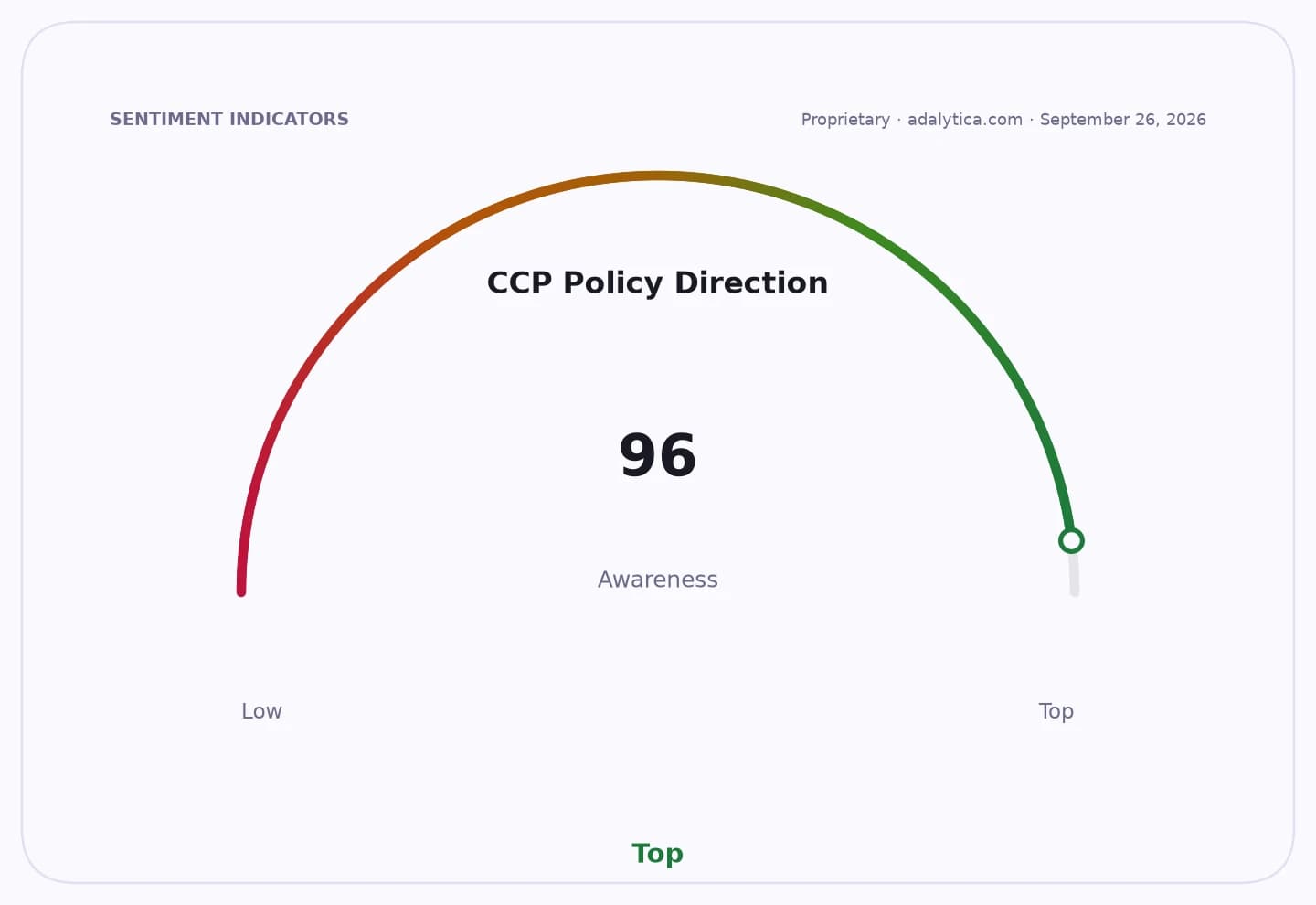
Sentiment IndicatorsⓘProprietary · adalytica.com · September 26, 2026
This is a snapshot — live sentiment, awareness and momentum for 130+ markets update continuously in the dashboard.Open AlphaPulse
According to the report, Travel Frog: China Journey will stop operating on Dec. 8, 2026, after the IP authorization expired and the parties failed to reach agreement on renewal. A person close to Lingxi Interact Entertainment, Alibaba’s game unit, said the rights holder had imposed tougher renewal conditions than before and restricted normal promotional and merchandising activity.
Hit-Point, the Japanese developer behind the original 2017 idle game, responded that it had not proposed terminating service or the cooperation agreement. It said it remains in communication with relevant parties about the franchise’s future in China and continues to negotiate.
For long-term investors, the takeaway is straightforward: the value in gaming often sits in the franchise, not just the app. When licensing economics turn unfavorable, even a beloved title can lose its runway. That can hurt publishers that depend on evergreen intellectual property, but it can also create openings for developers and operators with stronger ownership, better bargaining power or broader content portfolios.
The franchise itself still carries weight. Travel Frog became a cultural hit in China for its low-stress, casual gameplay, and Alibaba’s Lingxi secured exclusive mainland distribution rights in 2018. But the shutdown notice shows how fragile those economics can be when renewal negotiations sour and operational freedom narrows.
Investors should watch whether the two sides find a compromise, but the bigger lesson is unchanged: in interactive entertainment, durable returns usually belong to companies that control the IP, own the user relationship and can keep monetizing without depending on a difficult renewal cycle. For anyone building a portfolio for the next three to five years, that is worth remembering.
| Entity | Gains | Losses |
|---|---|---|
| Hit-Point | ▲Retains China franchise value | ▼Risk of weaker China monetization |
| Lingxi Interact / Alibaba | ▲Possible negotiating leverage | ▼Loss of a known title |
| Players | ▲Potential future continuation | ▼Shutdown uncertainty |
| IP owners with strong control | ▲Better contract terms | ▼— |