Xi Jinping’s pledge to invite 100,000 young Americans to China over the next five years is a small diplomatic number with outsized market significance: it signals Beijing is leaning harder into people-to-people outreach as Washington and Beijing try to steady a relationship that still shapes trade, technology, travel and capital flows.
China Young Americans Exchange Pledge
The immediate economic effect is limited, but the strategy matters because China is trying to lower the political temperature around bilateral ties without giving ground on the core strategic issues. That creates a more investable backdrop for areas that benefit from a gradual thaw — airlines, travel services, education, consumer-facing brands and China-exposed equities — even if the structural rivalry remains intact. For investors, the message is that Beijing wants to broaden the constituency for engagement inside the U.S., one student and one campus at a time, while keeping the larger competition contained.
Sentiment IndicatorsⓘProprietary · adalytica.com · September 29, 2026
This is a snapshot — live sentiment, awareness and momentum for 130+ markets update continuously in the dashboard.Open AlphaPulse
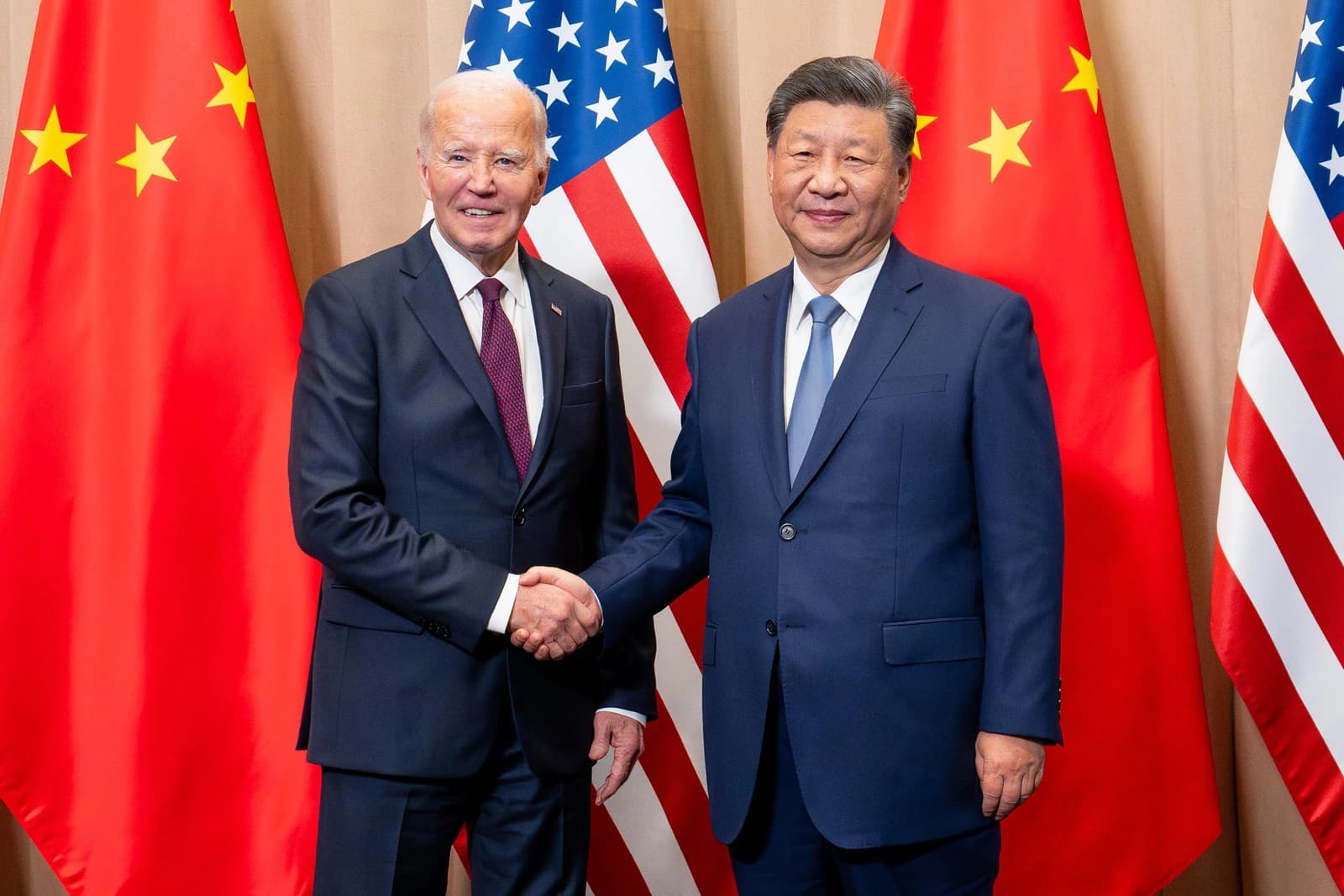
Xi’s announcement came during a White House welcome ceremony with President Donald Trump, underscoring that this is being framed as a direct political signal, not just a cultural initiative. It follows a similar promise made in San Francisco in 2023 to bring 50,000 young Americans to China over five years; that target has already been met ahead of schedule, giving Beijing a talking point that its outreach can produce results. In other words, this is not a symbolic one-off. It is an extension of a campaign to rebuild a channel of contact that has eroded sharply since the pandemic and amid rising U.S.-China strategic friction.
That matters economically because the relationship between the world’s two largest economies still sits under almost every major capital-allocation decision in Asia and beyond. Even modest progress in exchanges can help stabilize expectations around visas, tourism, academic ties and corporate visits, all of which feed into broader cross-border activity. The market usually discounts soft diplomacy, but it should not: lower geopolitical friction can support risk appetite, narrow the discount applied to China-linked assets, and reduce the tail risk that a headline escalates into a financial shock.
China-focused funds already reflect a market that is looking for signs of stabilization. The FXI China ETF has hovered in the mid-$30s and recently sat below its 200-day moving average, showing that sentiment remains cautious even after rebounds. By contrast, the U.S. dollar ETF UUP has been resilient, a reminder that capital still prefers safety when geopolitics dominate. If exchanges and student flows improve, the trade is not a sudden rerating of Chinese equities; it is a slow compression of the risk premium that has weighed on everything from consumer discretionary names to internet platforms and travel-linked businesses.
The bigger narrative is that Beijing understands soft power is a long game, and it is using education and youth exchange as a low-cost, high-reach tool to keep a channel open with the next generation of American policymakers, business leaders and investors. The market often underestimates these moves because they do not move earnings next quarter. But they can shape the policy climate that decides whether capital is allowed to compound over the next five years.
For investors, the actionable takeaway is to watch for second-order beneficiaries: travel, education, hospitality, cross-border consumer exposure and select China ETFs could see incremental support if the rhetoric is matched by real travel and visa facilitation. This is not a full détente. It is a pragmatic thaw, and in a world still priced for geopolitical stress, that alone is worth positioning for early.
| Entity | Gains | Losses |
|---|---|---|
| China | ▲Softer U.S. backdrop | ▼Hardline containment narrative |
| U.S. students and universities | ▲More exchange access | ▼Fewer bilateral barriers |
| Travel and education firms | ▲Higher cross-border demand | ▼Geopolitical friction premium |
| China-linked equities/FXI | ▲Lower risk premium | ▼Persistent policy discount |