China’s drive to bring 50,000 young Americans to the country has hit its target two and a half years ahead of schedule, underscoring a rare channel of engagement that is still expanding even as official ties between Beijing and Washington remain strained.
China reaches 50,000 U.S. youth exchange target
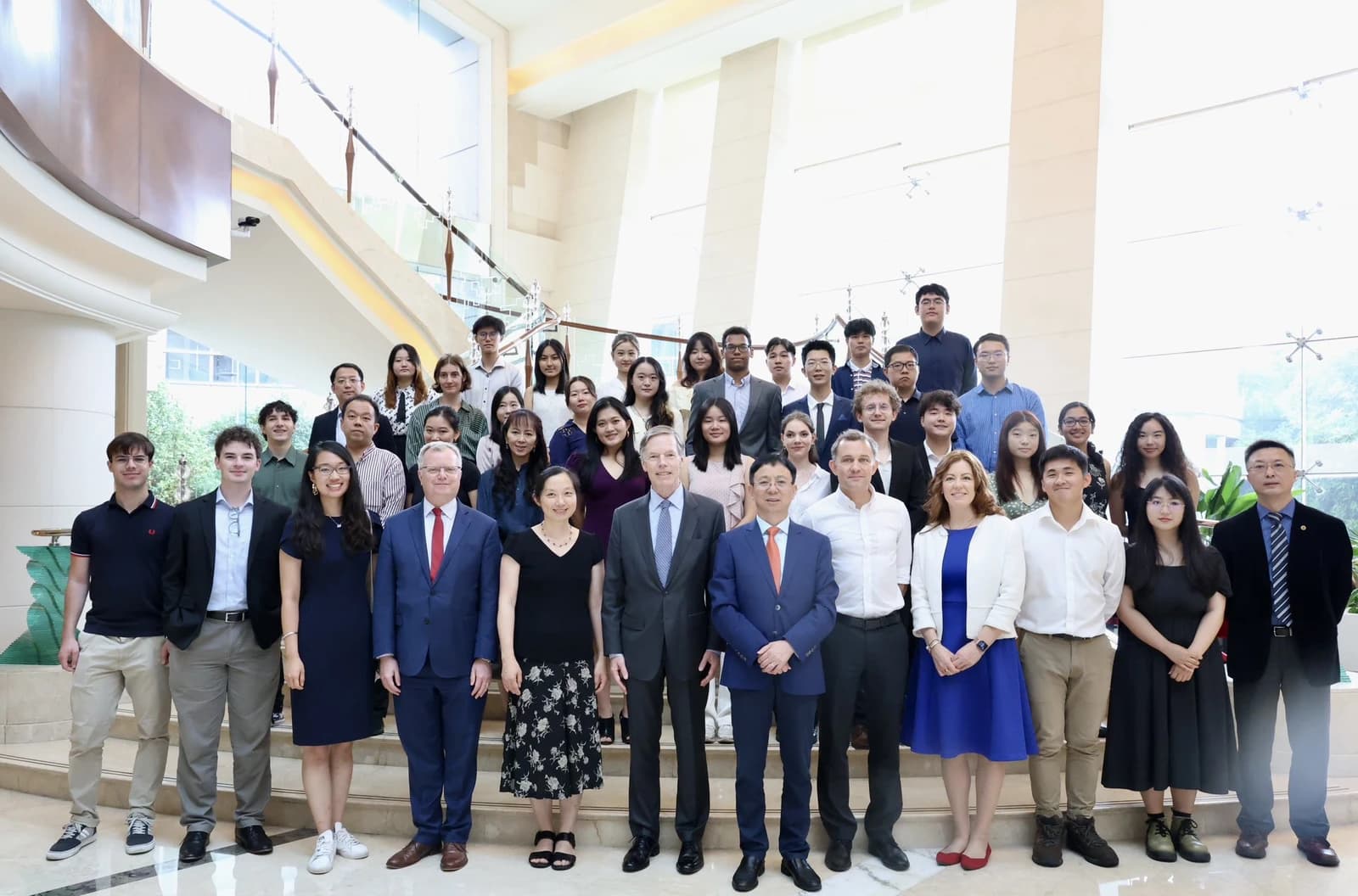
The milestone matters economically and politically because people-to-people contact is one of the few parts of the relationship that can still deepen when trade, technology and security ties are under pressure. For Beijing, the exchange program is a low-cost way to shape perceptions of China among a generation that will later influence U.S. policy, business and academia. For investors, it is another sign that Chinese authorities are prioritizing stability in cross-border ties and trying to sustain confidence around travel, education and cultural flows even as broader geopolitical risk stays elevated.
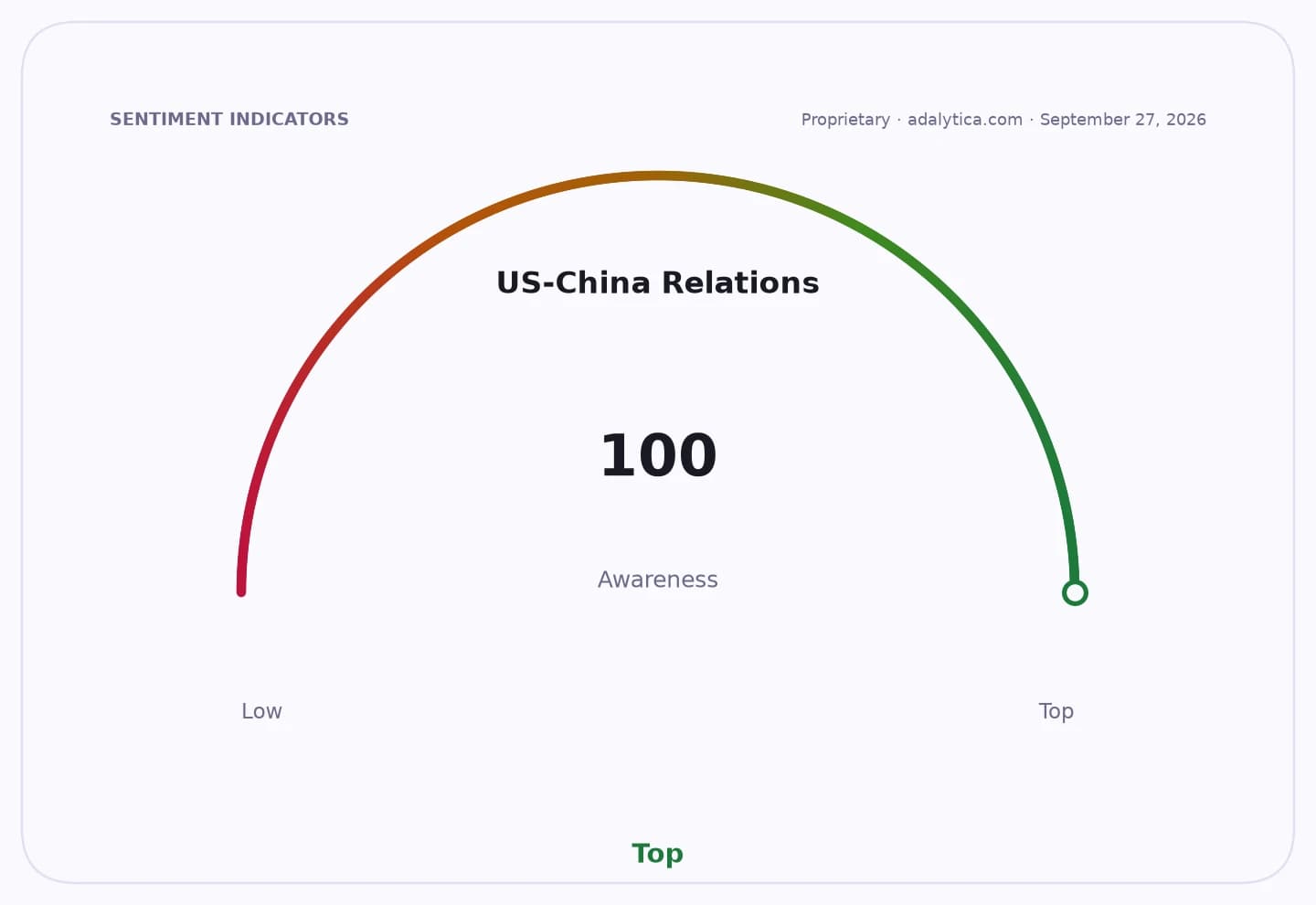
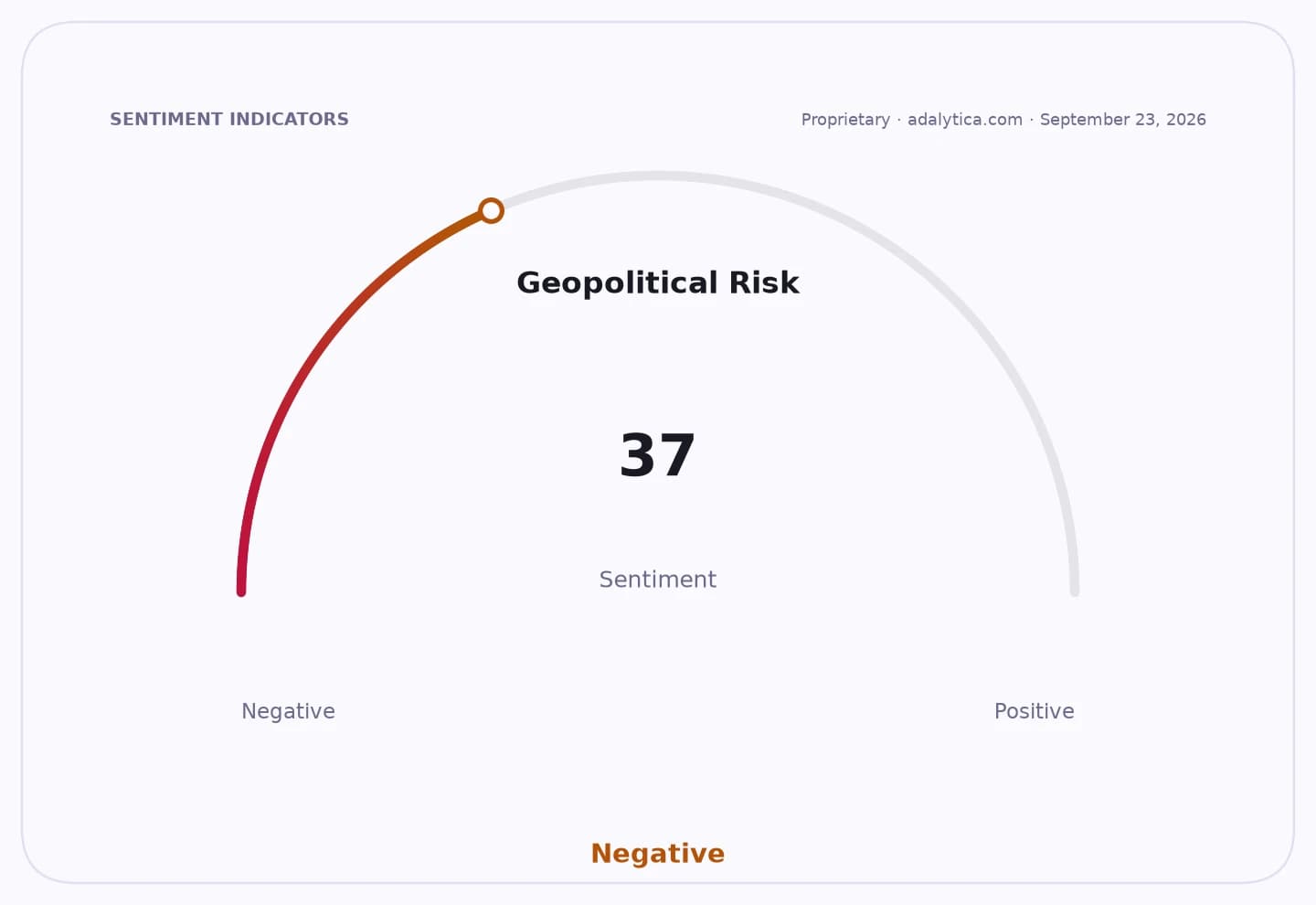
Sentiment IndicatorsⓘProprietary · adalytica.com · September 27, 2026
This is a snapshot — live sentiment, awareness and momentum for 130+ markets update continuously in the dashboard.Open AlphaPulse
The Ministry of Education said more than 50,000 young people from all 50 U.S. states and Washington, D.C., have visited China since the initiative was launched in November 2023, with trips spanning all 31 provincial-level regions on the mainland as well as Hong Kong and Macao. The exchanges have ranged from language study and cultural programs to science, technology and sports events, including a voyage aboard the China-U.S. Youth Friendship vessel that brought American and Chinese students together to work on a mercury pollution simulation.
That breadth matters because the initiative has clearly moved beyond symbolic diplomacy. Organizers say the flow of students is now being sustained by close networks and word-of-mouth, rather than top-down promotion alone. One trip for about 160 Harvard students sold out in less than a minute, according to a program organizer, suggesting demand from U.S. students is still strong even amid a more fraught bilateral climate.
The broader implication is that Beijing is trying to build a long-duration platform for engagement at a time when formal diplomacy often stalls. Chinese scholars quoted by state media framed the early completion of the target as evidence of strong appetite among young Americans to see China firsthand, while U.S. exchange advocates called the effort a durable bridge that can keep educational and cultural ties alive.
For markets, the direct read-through is limited, but the signaling value is not. A steadier people-to-people backdrop can help ease some of the policy premium embedded in China-related assets, particularly in sectors exposed to travel, education, consumer sentiment and technology collaboration. It also supports the argument that China wants to project itself as open to foreign visitors and to attract the next generation of opinion-makers, even as geopolitical frictions persist.
That message comes as broader sentiment around China-U.S. relations remains fragile. Adalytica’s China-U.S. Relations Sentiment gauge shows extreme greed, reflecting renewed attention to bilateral engagement, while its China CCP Policy Direction gauge also points to a sharp rise in policy confidence. Yet the underlying risk premium remains high: investors will want to see whether the exchange momentum survives any fresh deterioration in trade talks, visa policy or security tensions.
The bull case is that growing youth exchanges create a modest but real stabilizer in the world’s most important bilateral relationship, with possible spillovers into tourism, education and commercial ties. The bear case is that the program remains largely symbolic, unable to offset deeper strategic rivalry or materially change market access. For now, the most important takeaway is that China has found one area where it can still expand engagement with the U.S. at scale, and it is using it aggressively.
| Entity | Gains | Losses |
|---|---|---|
| China | ▲Softer U.S. perceptions | ▼Hardline bilateral narratives |
| U.S. students | ▲Access to China firsthand | ▼Reliance on secondhand views |
| Exchange organizers | ▲Higher demand for programs | ▼Weakening enrollment momentum |
| China-related assets | ▲Slightly lower risk premium | ▼Geopolitical hedge positioning |