Trying to break China’s grip on global supply chains is proving far more expensive than the politics suggest, and the latest rare-earth scramble shows why investors should keep treating Beijing as the world’s most important industrial toll collector.
China Rare-Earth Grip Keeps Supply Chains Costly
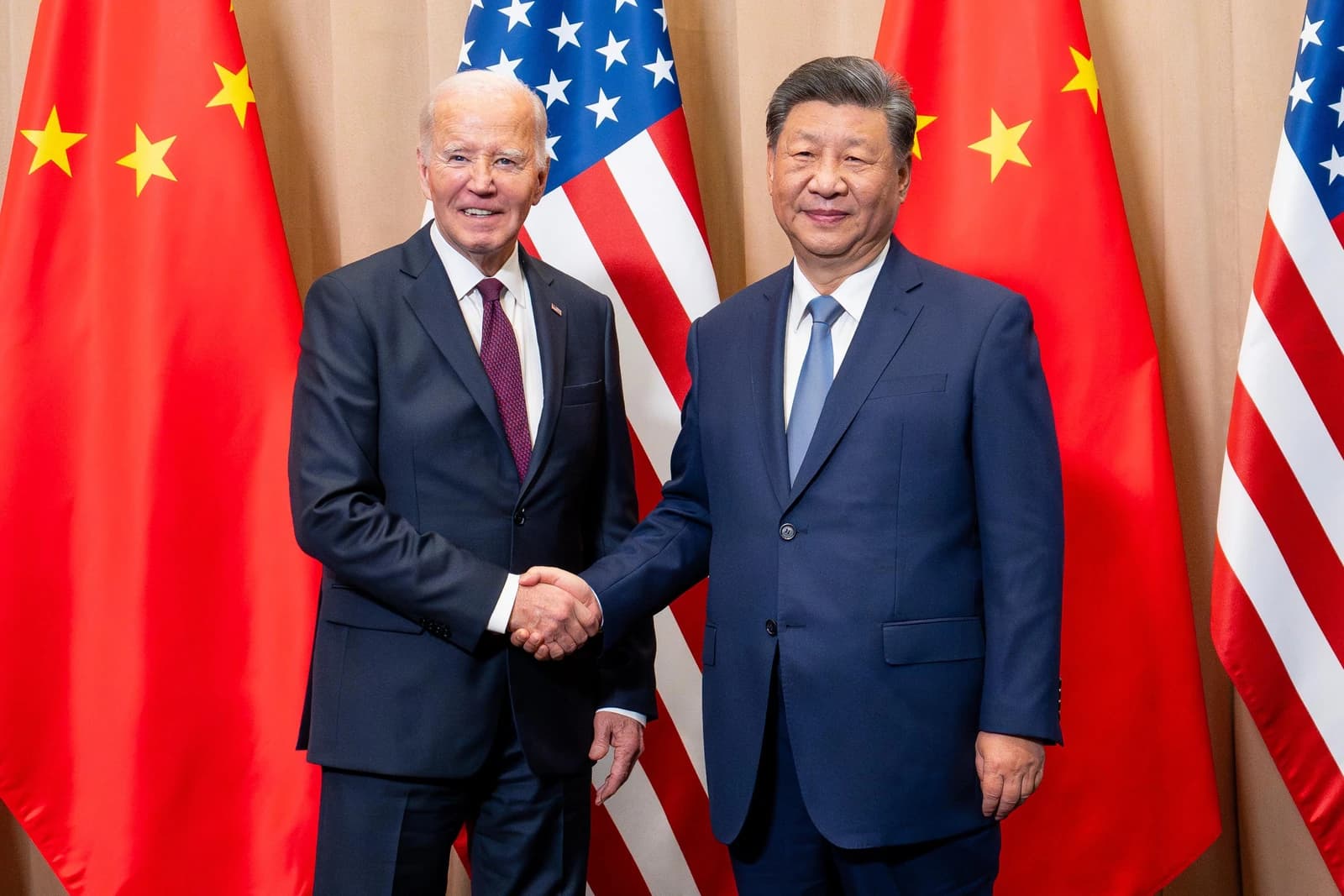
The economic reality is simple: countries can talk about reducing dependence on China, but in sectors that matter most to growth, defense and advanced manufacturing, they still need the materials, processing capacity and logistics network China controls. That dependence is no longer limited to cheap consumer goods. China now refines 19 of the 20 strategic minerals the International Energy Agency flagged in its 2025 critical minerals report, with an average market share of about 70%, making it hard for rivals to build competing technologies without first passing through Chinese supply chains.
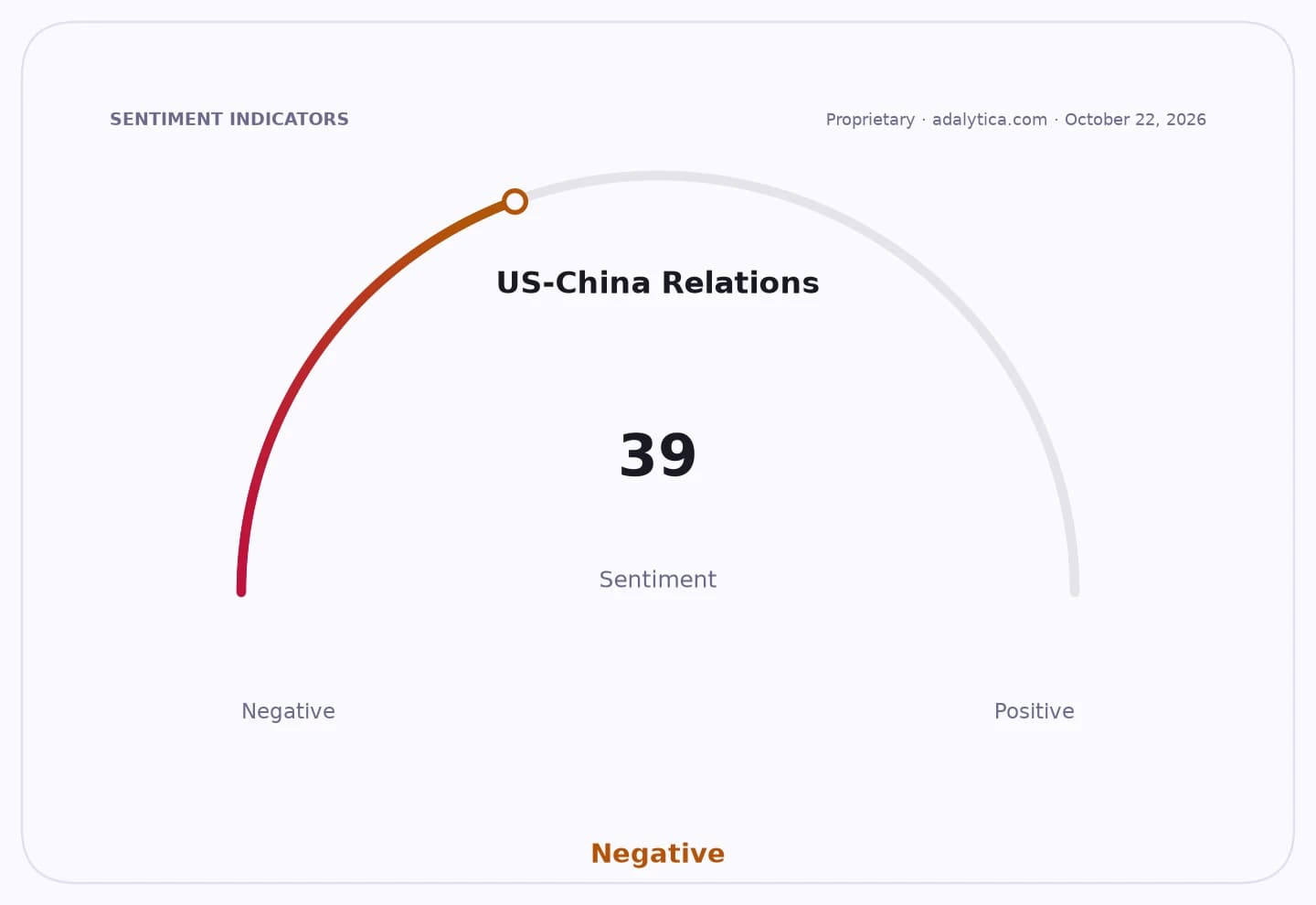
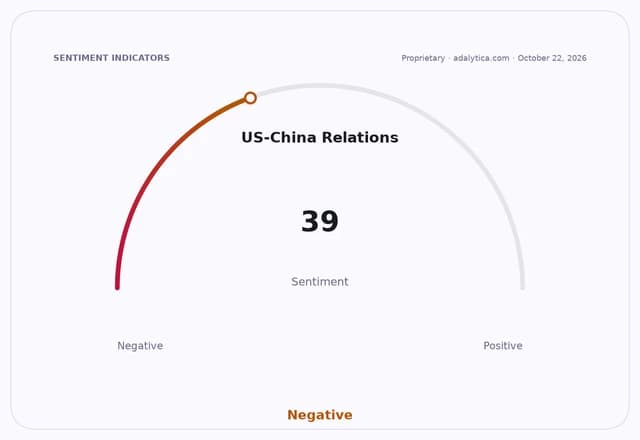
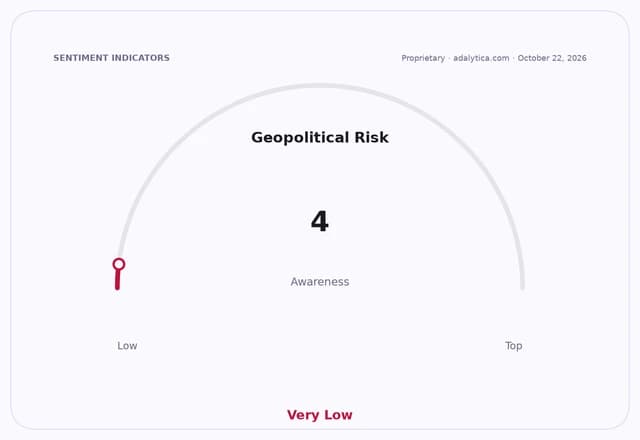
Sentiment IndicatorsⓘProprietary · adalytica.com · October 22, 2026
This is a snapshot — live sentiment, awareness and momentum for 130+ markets update continuously in the dashboard.Open AlphaPulse
That matters because scarcity changes pricing power. If China restricts exports or simply tightens access, the cost lands quickly on importers, factories and ultimately consumers long before substitute supply is ready. Tariffs and reshoring policies may sound like sovereignty, but they can just as easily become inflationary taxes on the very economies trying to escape Beijing’s orbit. The transition away from Chinese inputs is measured in years, not press releases.
The market is already reflecting that tension. The China-focused FXI ETF has slid to $32.39 from $39.17 in early December, with its relative strength index near 41 and the price below both the 50-day and 200-day moving averages, a sign that investors remain cautious on broad China exposure even as the strategic importance of the country rises. Meanwhile, the KWEB internet ETF is at $23.23, well under its 200-day average of $28.39, underscoring how weak sentiment toward Chinese assets has become. By contrast, the broader Shanghai-tracking ASHR sits at $30.49, also below its 200-day average, suggesting investors are still discounting a durable rerating in Chinese equities despite their central role in global supply chains.
What the market underestimates is the second-order effect: if the West spends the next several years building duplicate supply chains, the winners will be the miners, processors, equipment makers, defense contractors and industrial firms that sit closest to the bottlenecks. The losers are the companies that rely on single-source inputs and the consumers who absorb the higher prices. Europe’s move to build a strategic rare-earth reserve is not just a policy headline; it is an acknowledgment that supply security has become a balance-sheet issue.
For investors, the message is not simply “buy China” or “avoid China.” It is to position for a world where de-risking itself becomes a major capex cycle. That means watching the picks-and-shovels of mineral processing, recycling, specialty equipment and alternative sourcing, while staying alert to the valuation reset that could hit import-dependent manufacturers if supply shocks intensify. China may not be easily replaced, but the companies that help the world try will be.
| Entity | Gains | Losses |
|---|---|---|
| China’s mineral processors | ▲Pricing power, leverage | ▼Pressure from de-risking |
| Western miners and refiners | ▲New capex cycle | ▼Slow buildout costs |
| Import-dependent manufacturers | ▲Short-term none | ▼Higher input costs |
| Consumers and end buyers | ▲More supply security later | ▼Near-term inflation |