The euro is holding essentially flat against the Serbian dinar, with the National Bank of Serbia setting the official midrate at 117.3693 dinars on Oct. 19, a move that points to continued exchange-rate stability even as the dinar has softened slightly over the month.
Serbian dinar holds steady against the euro
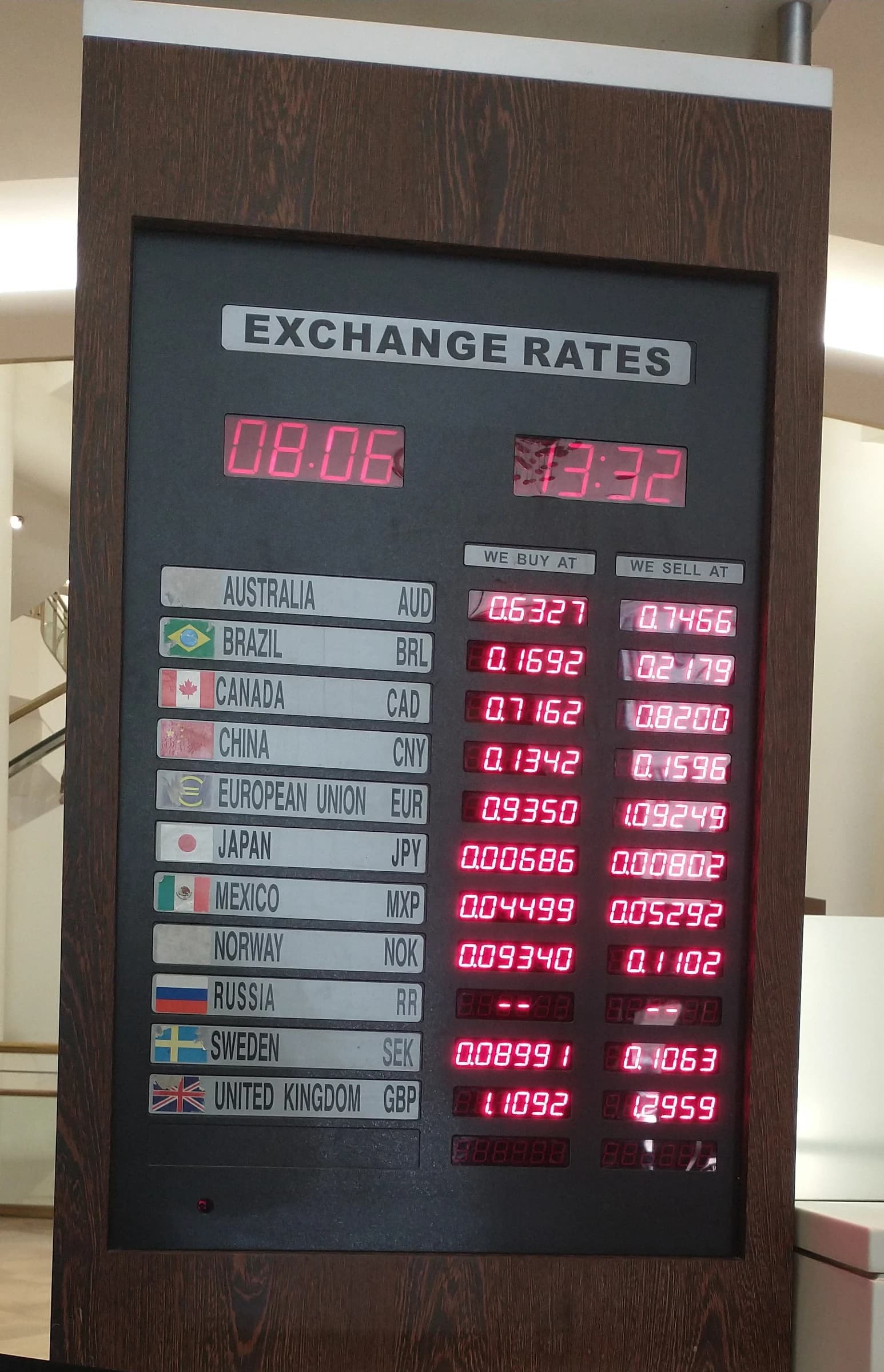
The rate is virtually unchanged from Monday, underscoring the central bank’s effort to keep the currency corridor steady and avoid sharp swings that can spill into prices, debt servicing and trade flows. For households and companies that invoice in euros, the more important issue is not the daily move but the cumulative drift: the dinar is down 0.1% versus the euro from a month earlier and 0.2% since the start of the year.
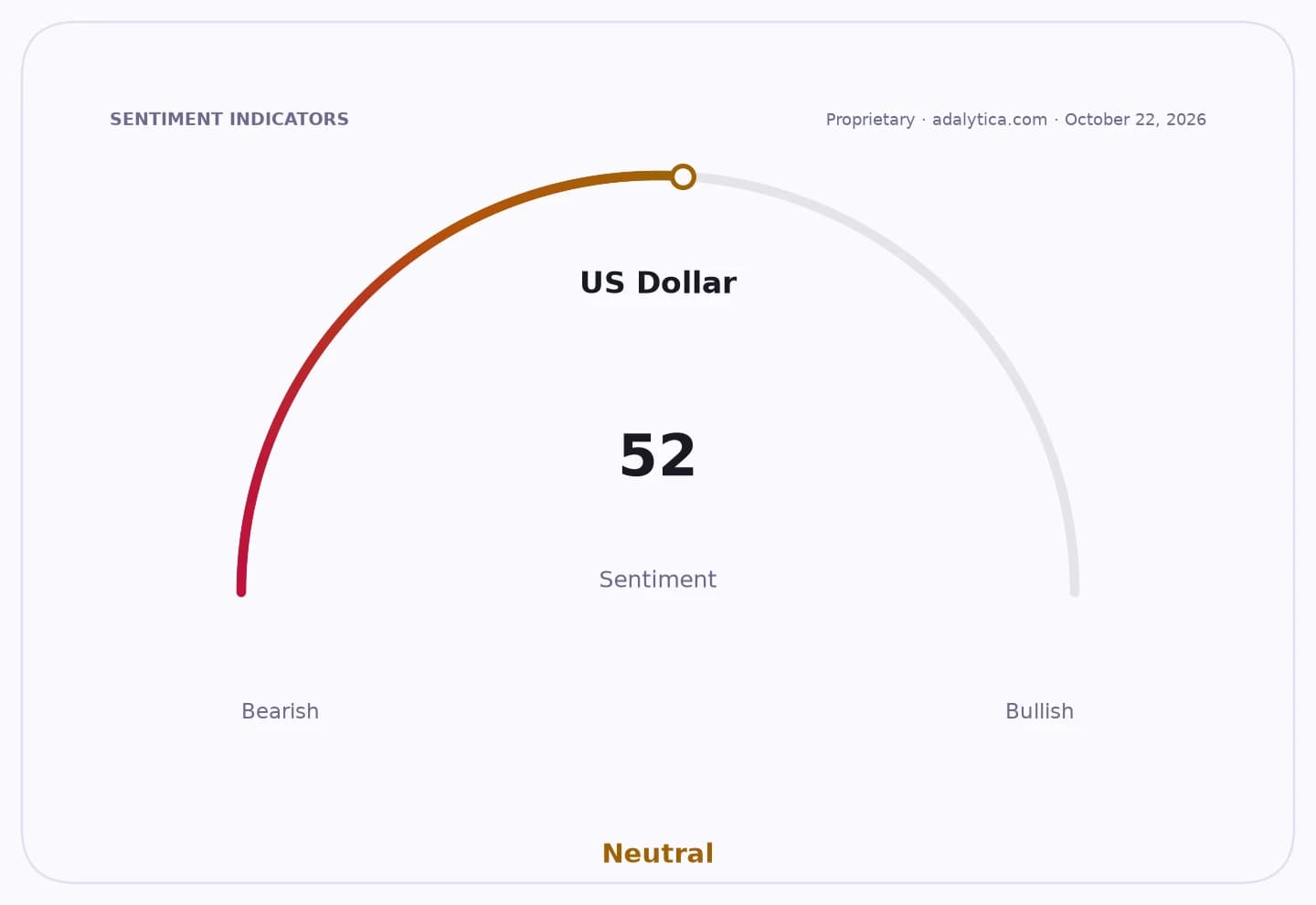
Sentiment IndicatorsⓘProprietary · adalytica.com · October 23, 2026
This is a snapshot — live sentiment, awareness and momentum for 130+ markets update continuously in the dashboard.Open AlphaPulse
That relative stability matters economically because Serbia relies heavily on euro-denominated pricing across imports, loans and savings. A steady dinar helps limit imported inflation and gives businesses more visibility on input costs, while a weaker currency tends to favor exporters and remittance recipients but raises the local-currency burden of foreign obligations.
The dollar side of the market is moving more sharply. The indicative dinar rate against the U.S. currency fell 0.5% to 104.8408 per dollar, leaving the dinar 3.4% weaker than a year ago, even as it remains 0.4% stronger year to date. That combination suggests the euro is doing much of the heavy lifting in the basket, while dollar swings are translating into more visible day-to-day pressure.
Broader FX signals also show the euro under some strain against the dollar. EUR/USD has been trading around 1.12, below both its 50-day and 200-day moving averages in the latest data, while Adalytica’s euro trade signals show neutral sentiment and weaker-than-average FX volatility awareness, suggesting traders are not pricing a major dislocation yet.
For investors, the takeaway is that the dinar remains tightly managed and relatively predictable, which supports local bond and banking-market stability. The next catalyst is likely to come from central bank policy guidance, eurozone data and any shift in dollar strength that could feed back into the region’s exchange-rate dynamics.
| Entity | Gains | Losses |
|---|---|---|
| Serbian importers | ▲Stable pricing | ▼Currency-cost spikes |
| Serbian exporters | ▲Slightly weaker dinar | ▼Stronger domestic purchasing power |
| Euro savers | ▲Exchange-rate stability | ▼No meaningful upside |
| Dollar holders in dinars | ▲Pricier local conversion | ▼Dinars buying fewer dollars |