Serbia’s economic debate is shifting from whether wages are rising too fast to whether the country can lift productivity quickly enough to justify those gains.
Serbia wages and productivity debate
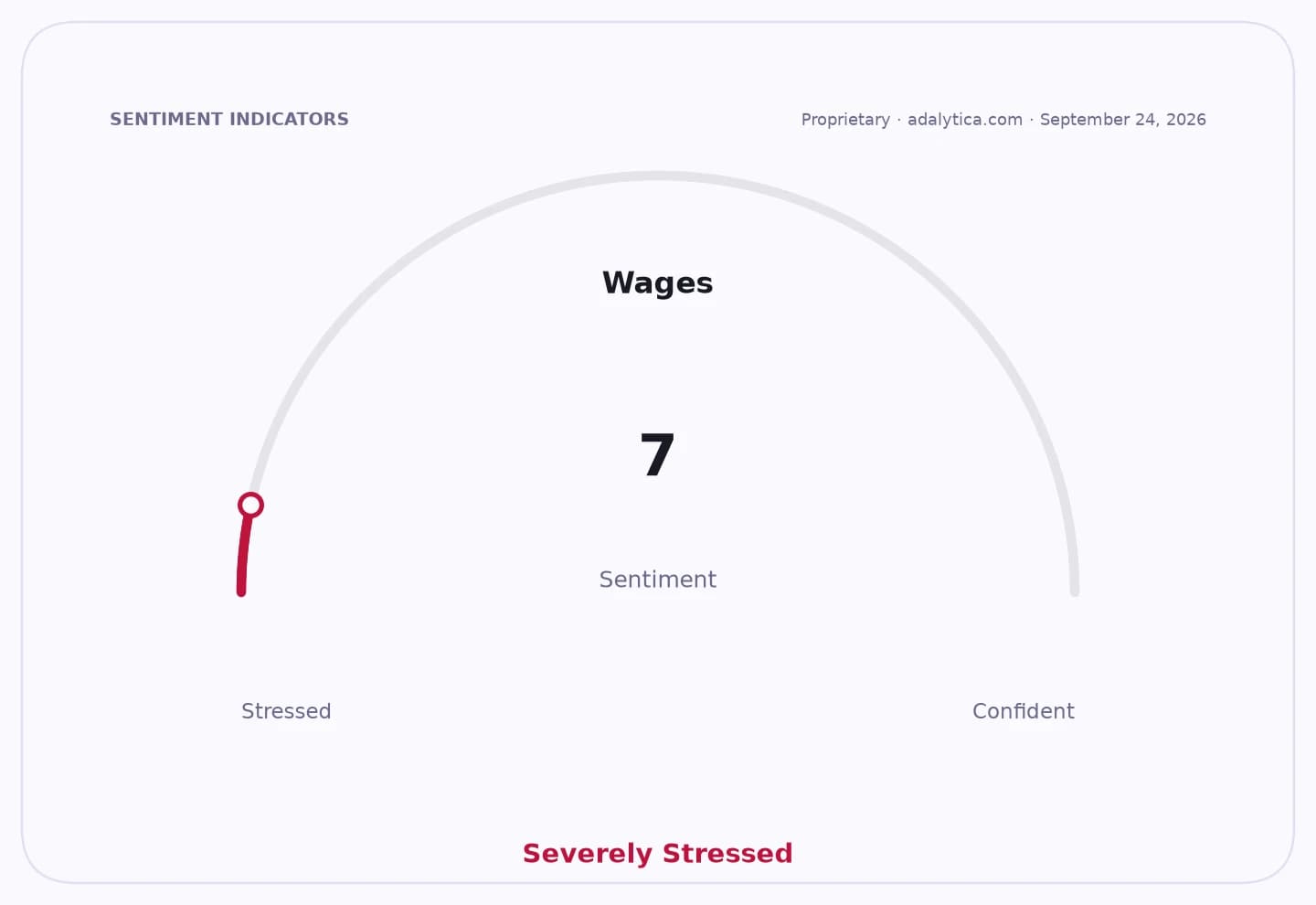
That matters because the data do not support the argument that higher pay and a stable dinar are, by themselves, undermining competitiveness. Over the past decade, real wages in Serbia rose only 1.9% faster than productivity on average, while unit labor costs still increased less than in Bulgaria, Romania and Hungary, according to the analysis cited in the source material. Inflation also failed to accelerate in the periods when pay growth outpaced output, suggesting the economy has not yet entered a broad cost-push spiral.
The bigger economic question is not whether Serbia should weaken the dinar to restore competitiveness. It is whether the country can move up the productivity curve fast enough to sustain wage convergence with the European Union without relying on currency depreciation. A weaker dinar would likely be a blunt tool: it could lift import prices, feed inflation expectations and reduce real incomes before it delivered any durable industrial gain.
That is why the comparison with Central and Eastern Europe is important. Serbia posted cumulative productivity growth over 2015-2025 that was higher than every peer in the sample except Romania, despite critics arguing that wages have risen too fast. The analysis also points out that Serbia’s labor cost per hour remained the lowest in the group, at 12.8 euros in 2025 versus 34.9 euros across the EU and 19.8 euros in Czechia. On those numbers, Serbia still has room to raise pay before it reaches anything like Western European cost levels.
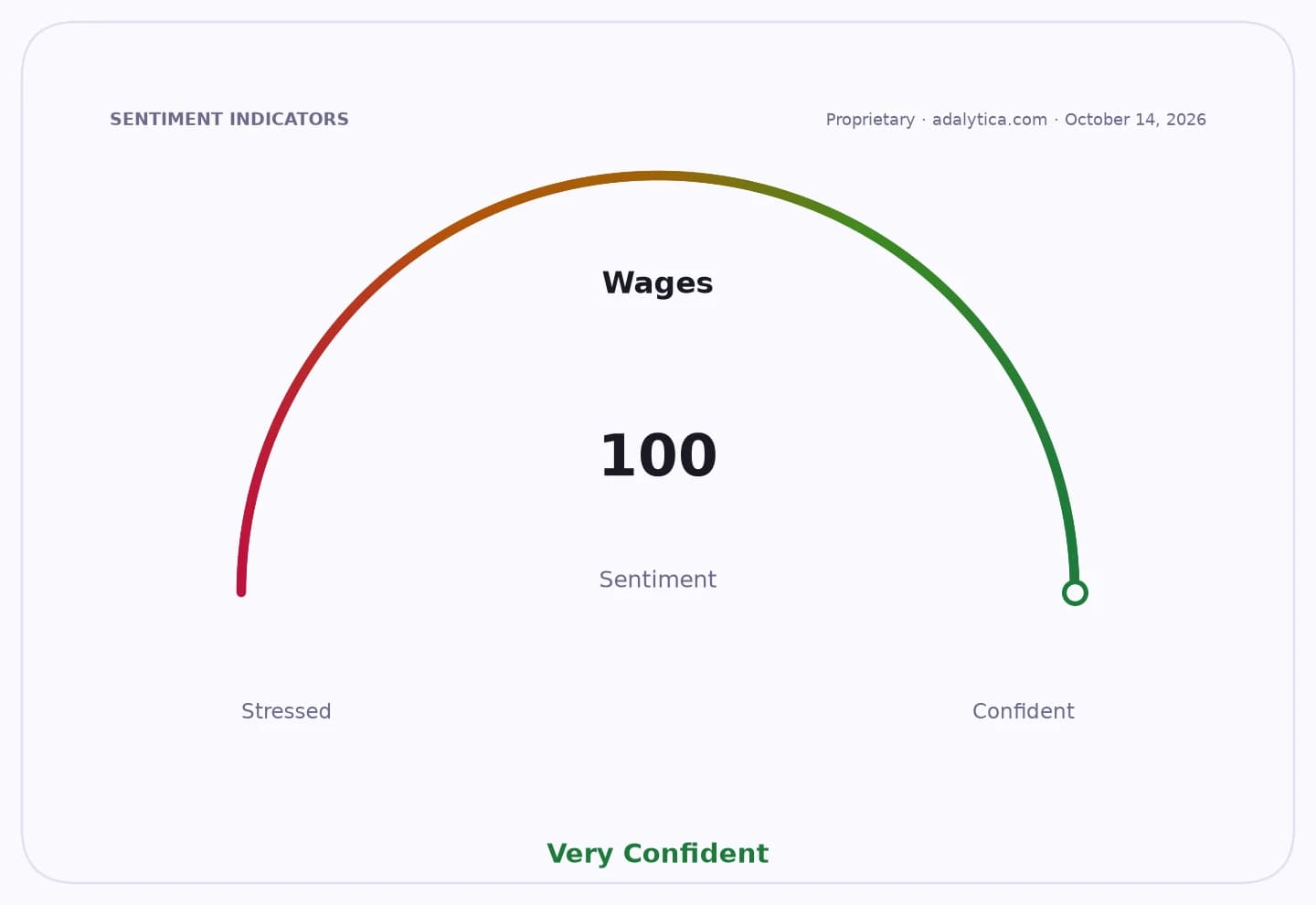
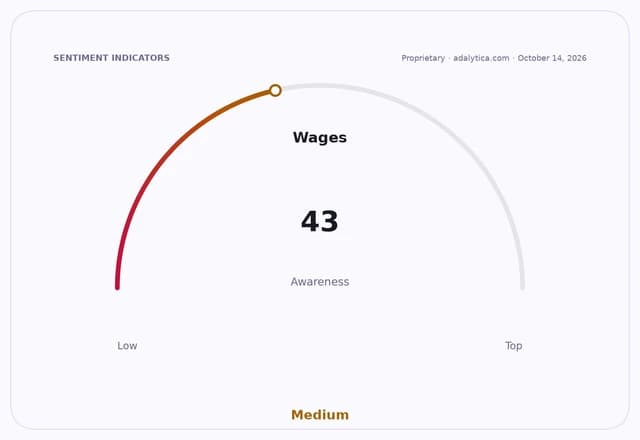
Wages — 30-day sentimentadalytica.com
Explore this data interactively — full history, time series and cross-market comparisons.Open AlphaPulse

For investors, the implication is that Serbia’s macro story is less about imminent wage-driven erosion and more about the quality of the growth model. If productivity keeps improving, the dinar can remain stable — or even appreciate in real terms — while real incomes rise. That is the path taken by economies such as Czechia and Slovakia, where currency strength accompanied export growth, foreign direct investment and a steady climb in output per worker.
The risk, however, is that recent wage growth outpaces a slowdown in productivity for too long. The source notes a widening gap in 2024-2025, though it is too short to call a trend. If that gap persists, the pressure will eventually show up in margins, inflation and labor cost competitiveness. If it does not, Serbia may be entering a phase of gradual income convergence with the EU, supported by stronger private-sector pay rather than public-sector wage setting.
The investment takeaway is that Serbia’s near-term competitiveness problem is not the level of wages alone, but the pace of productivity, sector upgrading and industrial diversification. A stable currency can coexist with higher wages; what cannot be sustained is higher wages without a matching rise in output per worker.
| Entity | Gains | Losses |
|---|---|---|
| Serbian workers | ▲Higher real wages | ▼Fear of job-security strain |
| Exporters with productivity gains | ▲Stable costs, stronger margins | ▼Pressure from underperforming peers |
| Policymakers backing stability | ▲Lower inflation risk | ▼Less room for easy currency fixes |
| Importers and consumers | ▲Stable dinar, contained shocks | ▼None if productivity lags and costs rise |