Greece’s leading business think tank sees inflation staying elevated at about 4% next year, underscoring that the country’s recovery is still being eroded by higher energy costs even as growth and labor-market conditions remain broadly positive.
Greece Inflation Stays Near 4% Through 2026

The IOBE said in its quarterly outlook that inflation will remain near 4% in 2026 before easing to around 3% in 2027, with the main driver being the rise in energy prices and the knock-on effect on production costs. It kept its growth forecast for this year unchanged, while trimming its 2027 expansion estimate slightly to 1.9% from 2%.
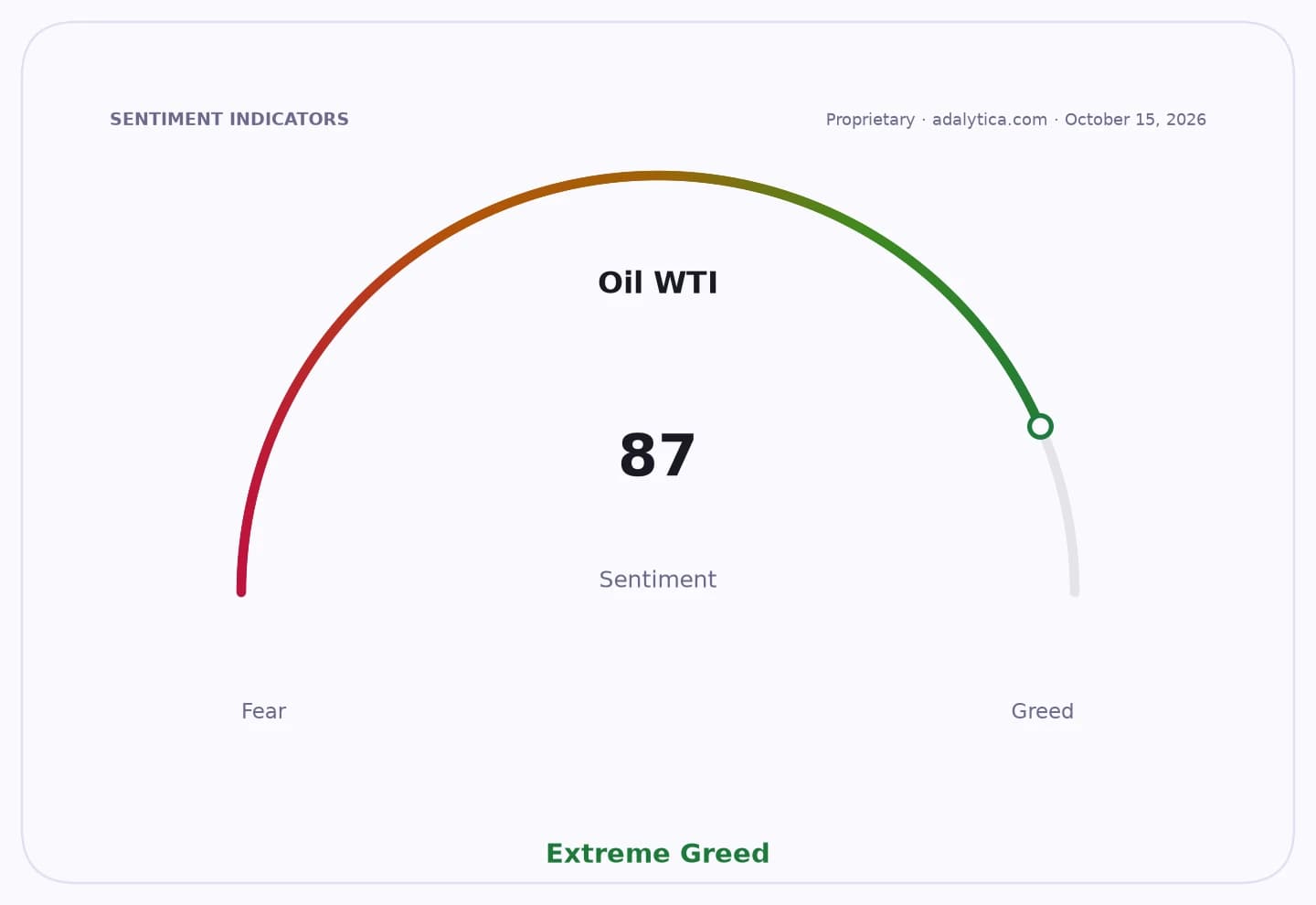
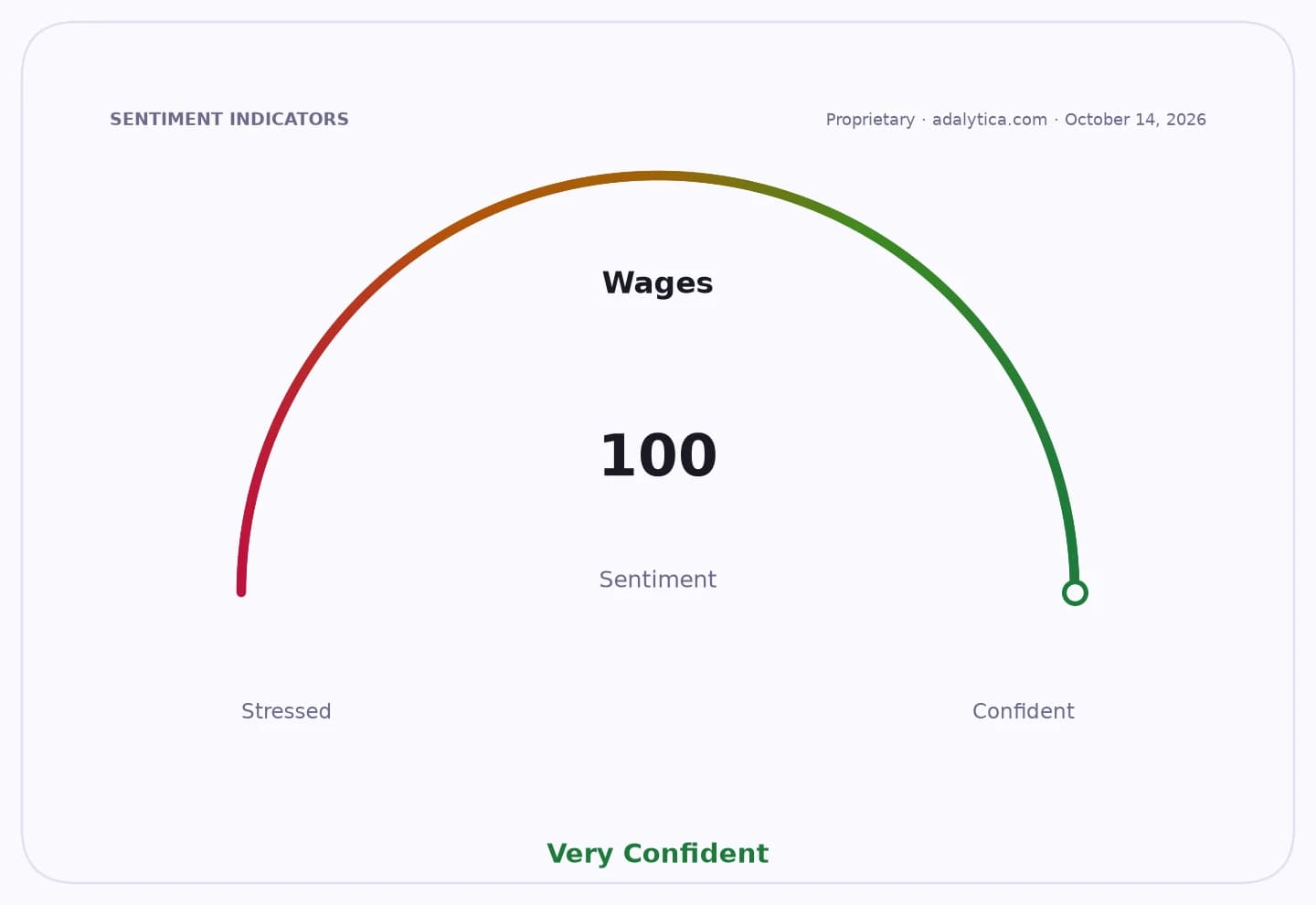
Sentiment IndicatorsⓘProprietary · adalytica.com · October 17, 2026
This is a snapshot — live sentiment, awareness and momentum for 130+ markets update continuously in the dashboard.Open AlphaPulse

That matters for investors because Greece is still growing faster than the eurozone average, but the inflation gap remains a drag on real incomes, margins and policy flexibility. IOBE said unemployment should fall to 8.6% in 2026 and 7.8% in 2027, while domestic demand and tourism remain resilient, helping offset some of the strain from imported price pressures.
The institute’s comments also point to a familiar tension for the Greek economy: solid momentum on one side, persistent structural weaknesses on the other. IOBE President Yiannis Retsos said fiscal stability is essential for keeping investor confidence on track, while Managing Director Nikos Vettas warned that uncertainty remains high because of the wars in Ukraine and the Middle East, as well as political shifts in the EU and the U.S.
Vettas said Greece’s economy is stable and still outpacing the eurozone, but he flagged higher-than-eurozone inflation, a weak investment mix, an external deficit and low productivity as medium-term constraints. He also pointed to the burden of bad debt, adverse demographics and the financing gap left by the financial crisis.
For policymakers, the message is that targeted support may be preferable to broad subsidies if inflation stays sticky. For markets, the outlook suggests Greece can keep expanding, but the path to stronger valuation rerating will depend on whether fiscal discipline, investment and productivity gains can outpace the next wave of energy-driven price pressure.
| Entity | Gains | Losses |
|---|---|---|
| Greek economy | ▲Continued growth momentum | ▼Higher inflation and energy costs |
| Households | ▲Lower unemployment ahead | ▼Real income pressure from 4% inflation |
| Investors in Greece | ▲Fiscal stability and resilience story | ▼Slower 2027 growth and policy uncertainty |
| Energy-intensive businesses | ▲— | ▼Rising input and production costs |