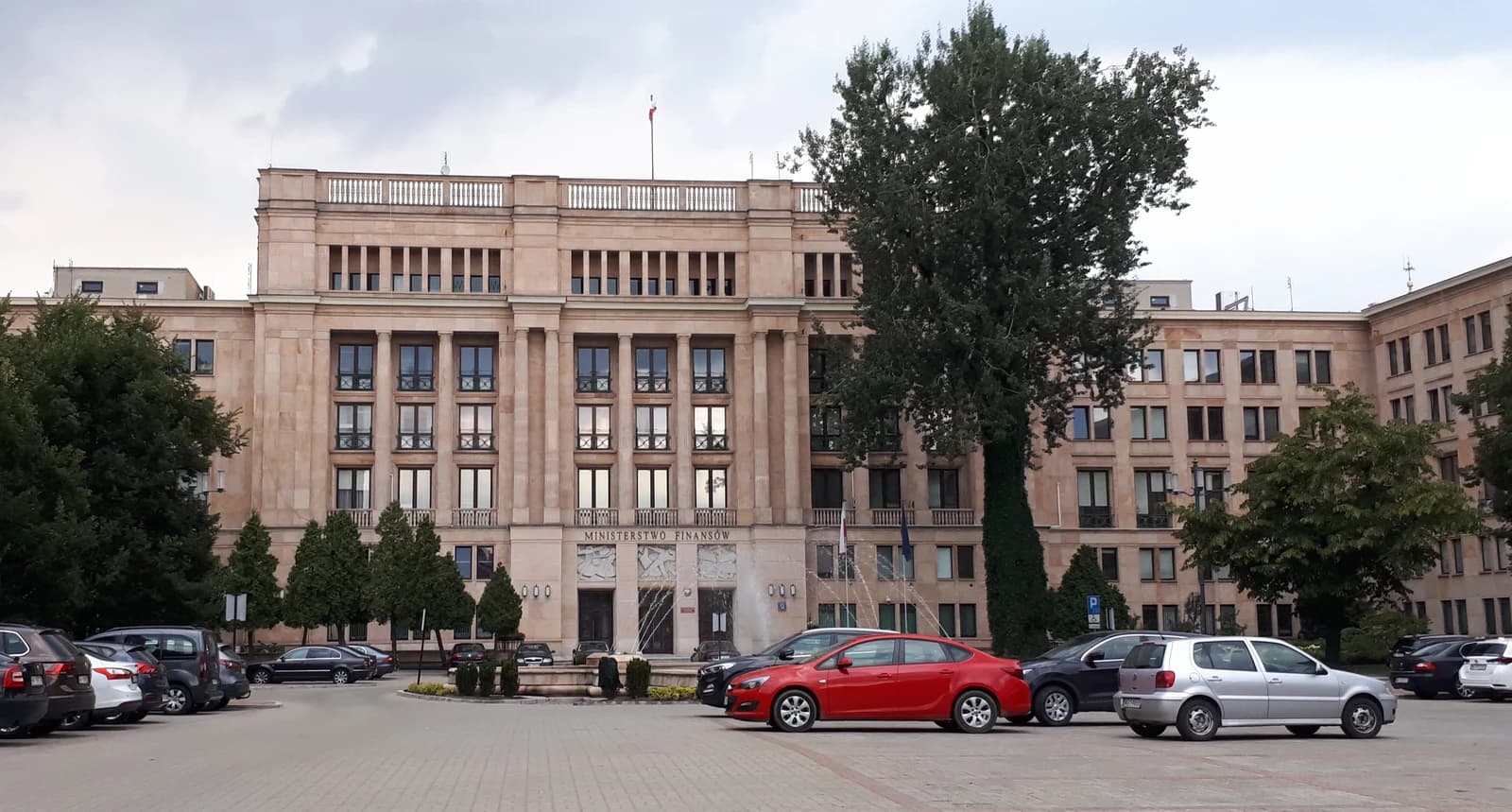
The dollar’s sharp rebound against the zloty may already be running out of steam, and Crédit Agricole CIB thinks the next major move could be lower, with USD/PLN falling toward 3.68 by the end of 2027.
USD/PLN Seen Falling Toward 3.68 by 2027
That matters because the recent surge in the greenback was already looking overstretched. USD/PLN climbed to 3.9355 last week, its highest level since April, after rising more than 46 groszy from a January low below 3.48. But the pair then reversed, slipping more than 3 groszy in the second half of the week and back below 3.89, a sign that the move may have topped out around the 3.94 area.
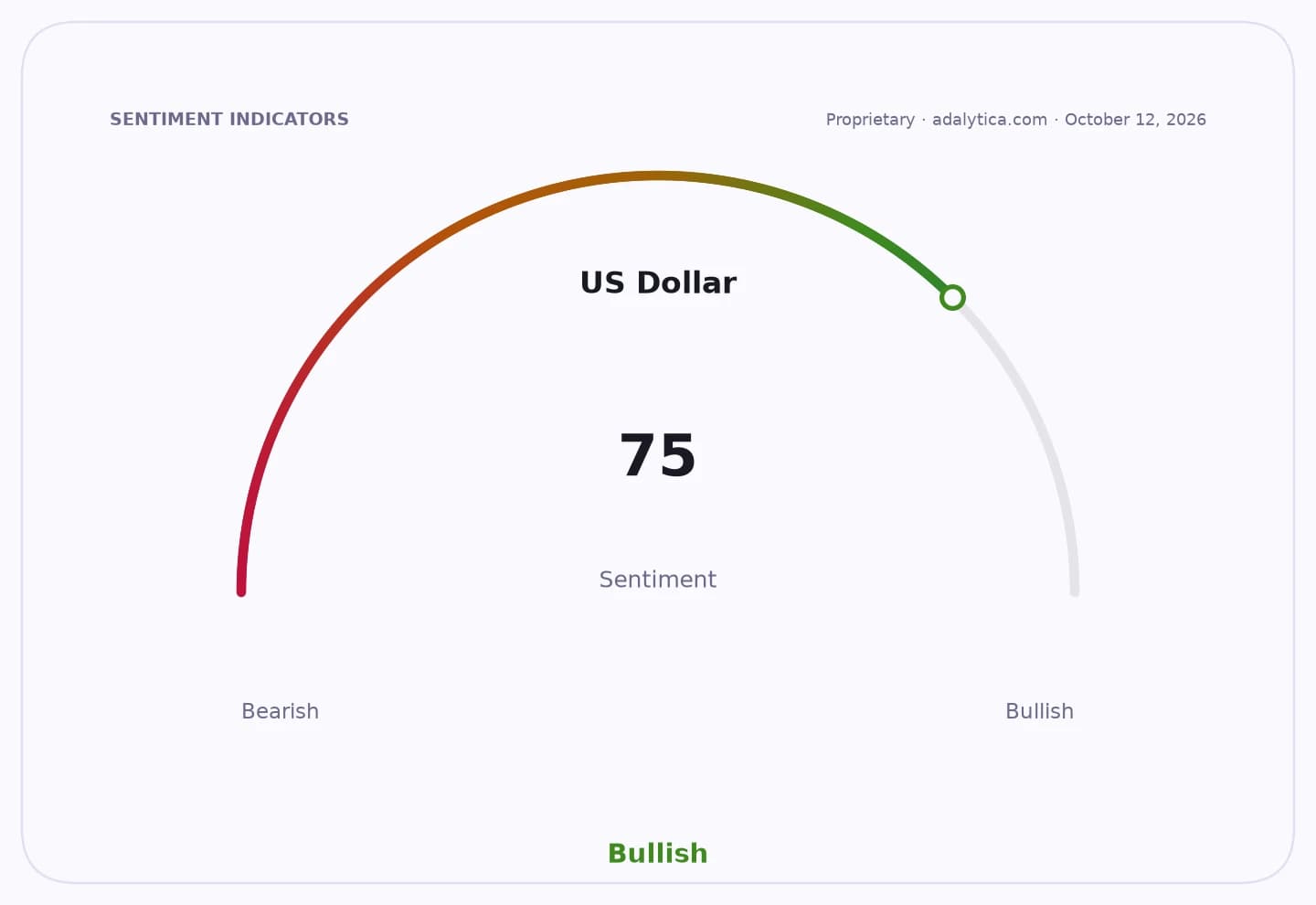
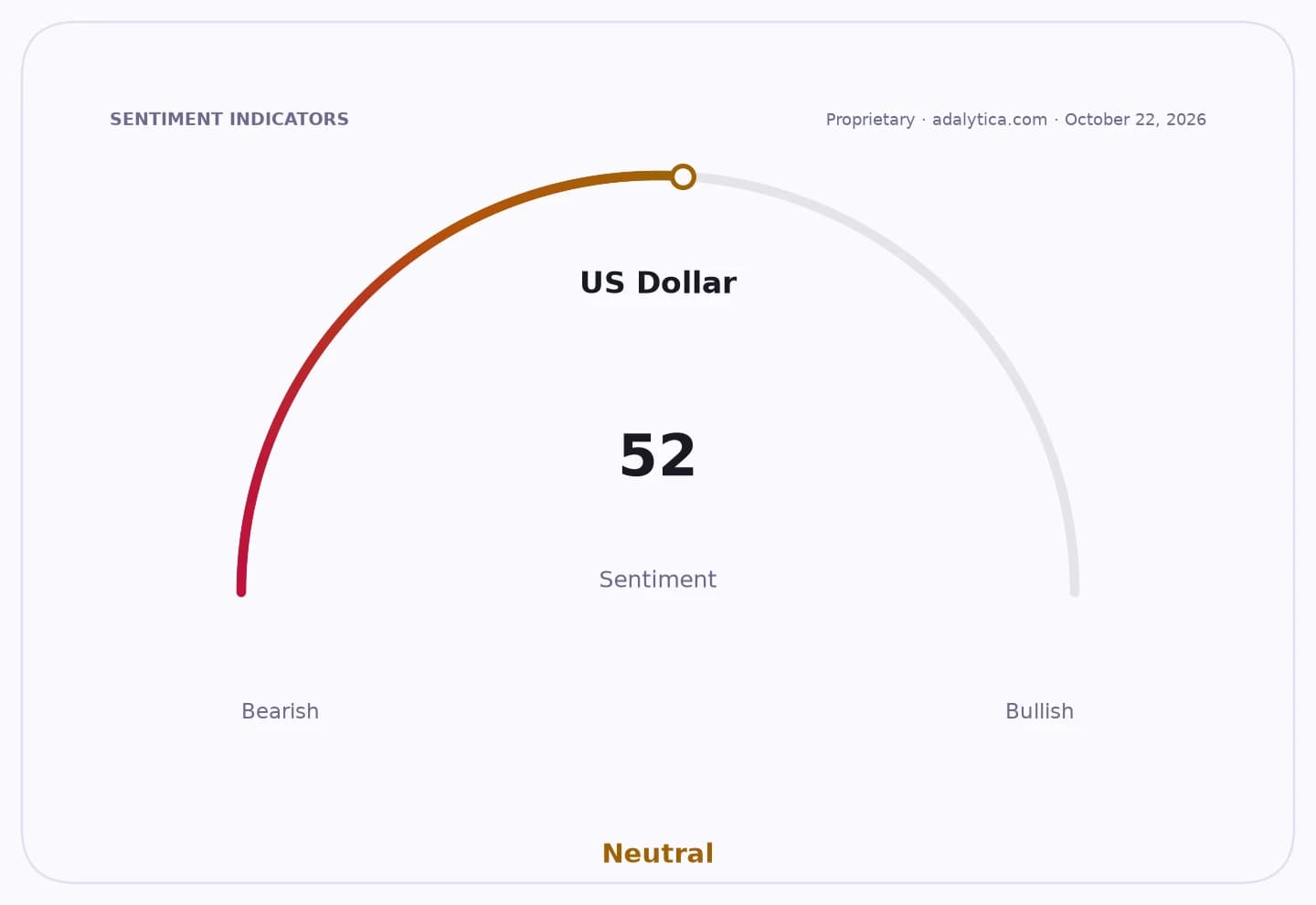
Sentiment IndicatorsⓘProprietary · adalytica.com · October 22, 2026
This is a snapshot — live sentiment, awareness and momentum for 130+ markets update continuously in the dashboard.Open AlphaPulse
For investors, the forecast is important not just as a currency call but as a reminder that exchange-rate cycles can change quickly and reshape returns. A stronger zloty would help Polish importers by lowering the local-currency cost of energy, goods and foreign inputs, while weighing on exporters that rely on revenue converted from dollars. It also matters for global portfolios with exposure to emerging-market currencies, where the dollar’s direction can amplify or erase gains.
Crédit Agricole’s path is notably more bearish on the dollar than the market’s recent price action suggests. In its Oct. 16 note, the bank projected USD/PLN at 3.82 by the end of 2026, 3.79 by mid-2027 and 3.68 by late 2027. That would leave the dollar more than 25 groszy below its recent peak and close to levels last seen in mid-June.
The move fits a broader picture of a dollar that has lost momentum after a strong stretch. Adalytica’s U.S. dollar trade signals currently show neutral sentiment, but the 30-day change is still negative, while volatility readings point to fear and extreme fear in FX trading conditions. In plain terms, that often means the market is less comfortable chasing the dollar higher and more open to a correction.
Technical levels also support the idea that the latest advance may have stalled. The pair has struggled around 3.94, which acted as resistance after previously serving as support earlier in the year. Once a market fails at a familiar level, traders often start looking for a retest of the next support zone rather than a fresh breakout.
For long-term investors, the lesson is simple: currency swings can be noisy, but they do not last forever. If Crédit Agricole is right, the bigger opportunity may not be in trying to trade every move in USD/PLN, but in understanding which companies and asset classes benefit from a weaker dollar and a firmer zloty over time.
| Entity | Gains | Losses |
|---|---|---|
| Polish importers | ▲Lower dollar costs | ▼Less pricing pressure relief for exporters |
| Polish exporters | ▲Weaker dollar revenue tailwind | ▼Stronger zloty hurts margins |
| Dollar bears | ▲Potential downside from 3.94 peak | ▼Missed gains if rally resumes |
| FX hedgers | ▲Better visibility on costs | ▼More need to manage zloty strength |