The dollar is regaining ground while the euro is slipping under the weight of violent protests in France, a reminder that political unrest can move currency markets as much as interest rates and growth data can.
Euro Falls as France Protests Weigh on Currency
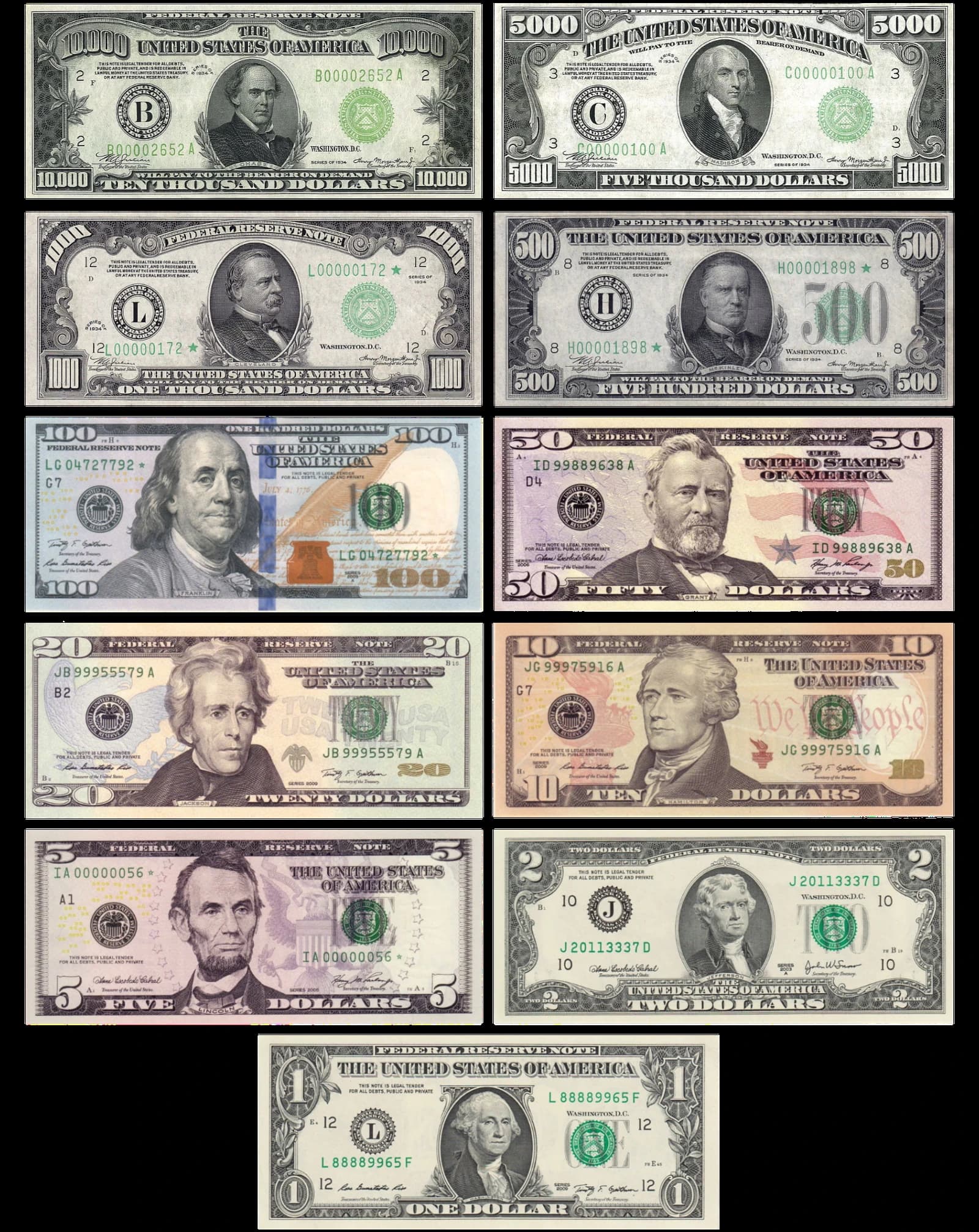
The euro fell 0.1% to $1.1225 in Asian trading, while the dollar index held firmer at 101.83 as investors trimmed some of the currency’s recent weakness. For investors, the immediate takeaway is simple: when Europe’s largest economy-and-policy bloc looks unsettled, the single currency becomes more vulnerable, and the dollar often benefits as the world’s default haven.
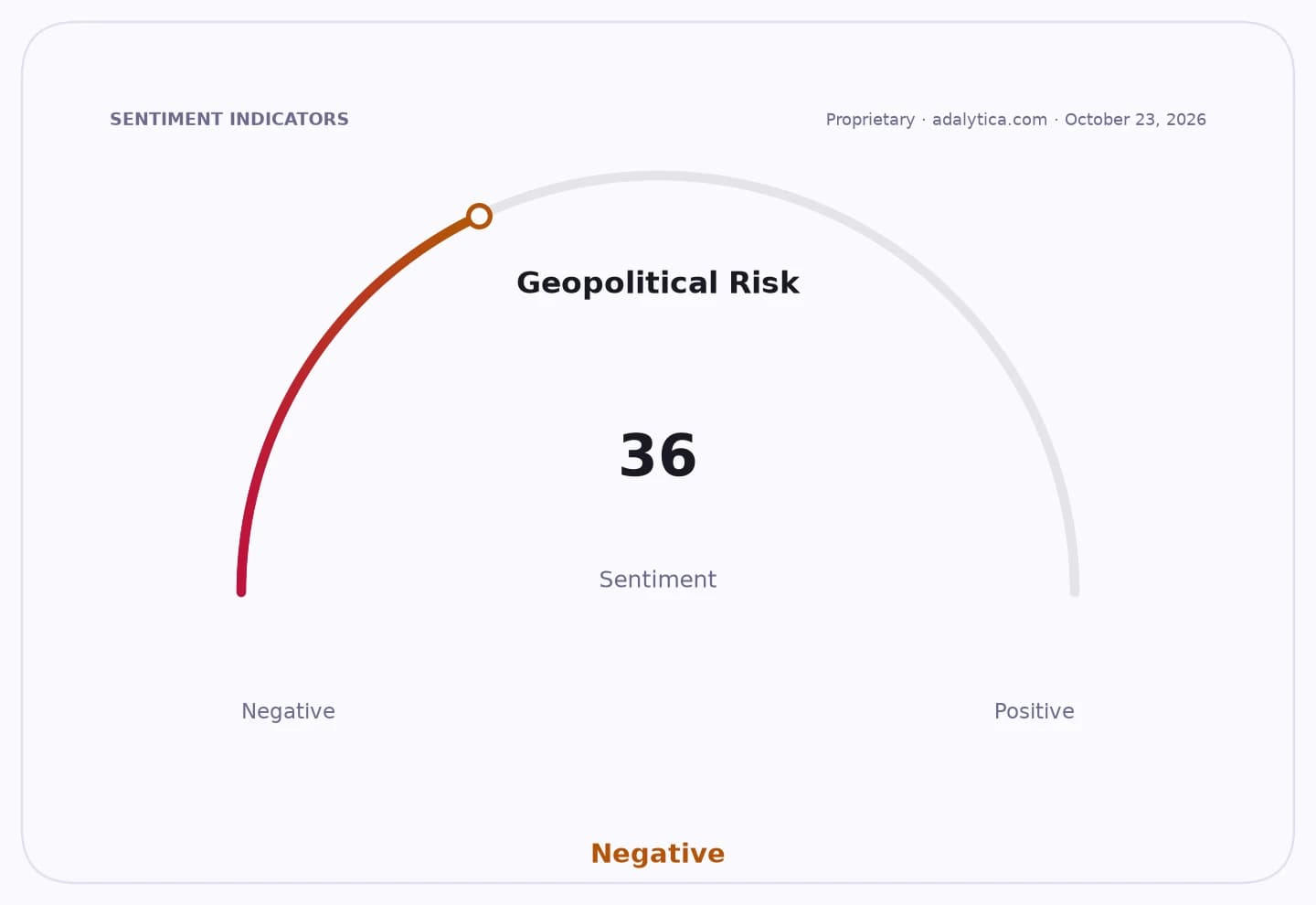
Sentiment IndicatorsⓘProprietary · adalytica.com · October 22, 2026
This is a snapshot — live sentiment, awareness and momentum for 130+ markets update continuously in the dashboard.Open AlphaPulse
That matters because the euro is not just another major currency. It is the second pillar of the global foreign-exchange market and a key driver of the dollar index. A softer euro can tighten financial conditions across Europe, pressure importers, and ripple through global portfolios that are benchmarked to currency moves. In practical terms, it also affects everything from multinational earnings translations to the relative appeal of U.S. assets versus European ones.
The trigger this time is France, where President Emmanuel Macron condemned scenes of violence after protests over living costs escalated into some of the worst unrest in years. Markets are watching whether the turmoil remains a domestic flashpoint or becomes a broader drag on confidence in the euro area. Currency traders do not need a full-blown crisis to react; they often price in uncertainty well before policymakers can contain it.
The move also fits the broader setup in foreign exchange. The dollar has been showing renewed resilience after flirting with weaker levels recently, and technical backdrop matters too: the U.S. Dollar Index ETF, UUP, remains above both its 50-day and 200-day moving averages, even after recent consolidation. In the euro, the FXE trust has slipped back toward the lower end of its recent range, reflecting a market that is willing to give Europe less benefit of the doubt when politics turn messy.
Long-term investors should keep the bigger picture in mind. Currency swings rarely tell the whole economic story, but they do reveal where capital feels safest. If protests in France deepen or spread, the euro could stay under pressure and U.S. assets may continue to look relatively more attractive. For diversified investors, the lesson is not to chase every daily move, but to understand how political risk can influence currencies, corporate profits and cross-border capital flows over time.
| Entity | Gains | Losses |
|---|---|---|
| U.S. dollar | ▲Haven demand | ▼Euro weakness |
| Euro | ▲None | ▼Political uncertainty |
| U.S. exporters | ▲Stronger currency advantage abroad | ▼None |
| European importers | ▲None | ▼Higher FX costs |