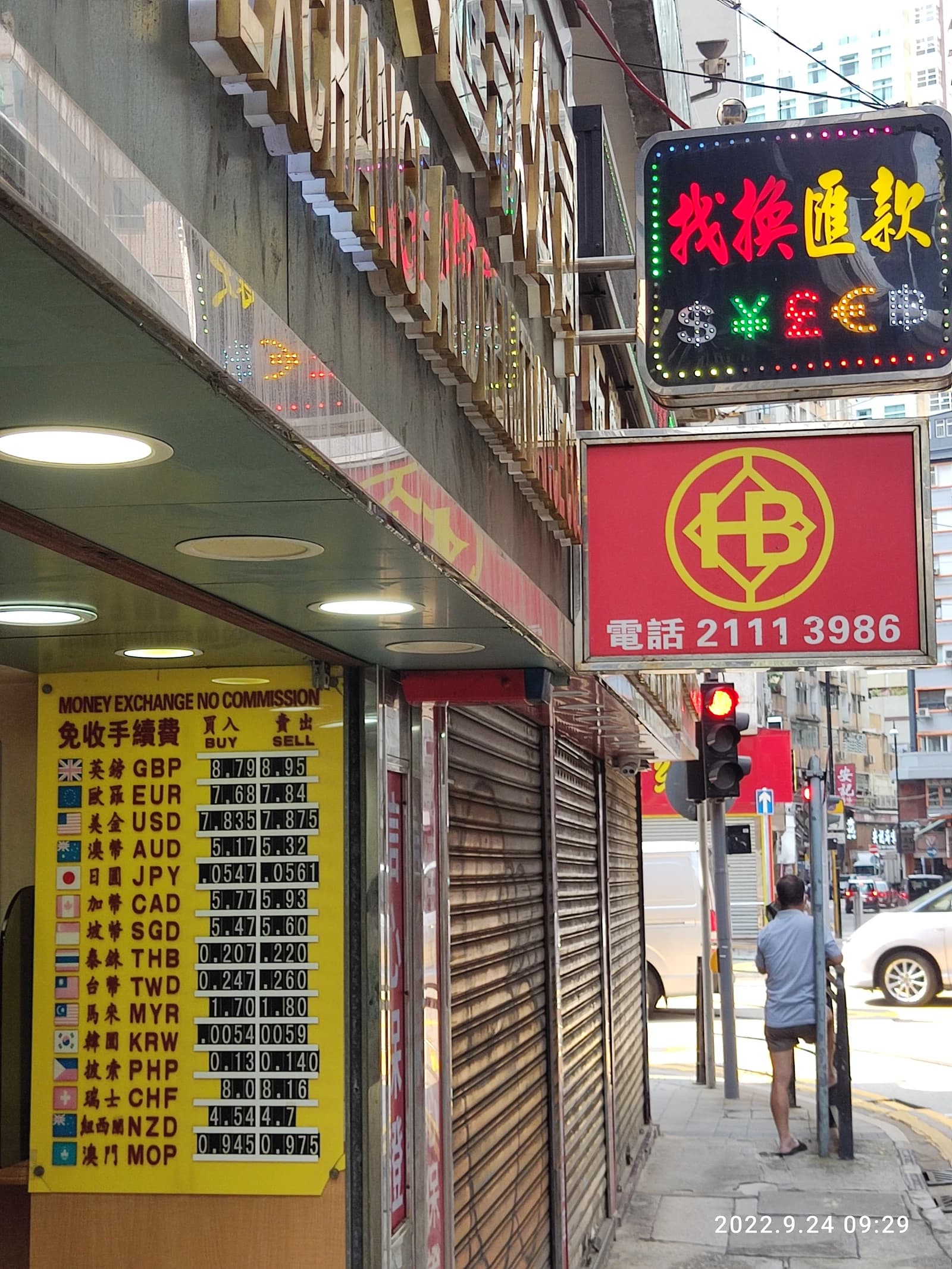
Ukraine’s currency market is showing little sign of relief, with the dollar and euro holding near all-time weak levels against the hryvnia and exchange offices reluctant to move prices sharply in either direction.
Ukraine hryvnia holds near record weak levels
For Saturday, Oct. 17, cash dealers were quoting the dollar at 44.60-44.90 hryvnias for purchases and 45.10-45.40 for sales, while the euro was seen at 50.20-50.80 for purchases and 50.95-51.40 for sales, according to analyst Oleksiy Kozyrev. He said some exchangers could adjust quotes by another 5-10 kopecks, but were unlikely to push prices meaningfully higher or lower because of still-elevated uncertainty in Ukraine and abroad.
Sentiment IndicatorsⓘProprietary · adalytica.com · October 20, 2026
This is a snapshot — live sentiment, awareness and momentum for 130+ markets update continuously in the dashboard.Open AlphaPulse
The National Bank of Ukraine set Monday’s official dollar rate at 44.86 hryvnias and the official euro rate at 50.49 hryvnias. Interbank quotes were close to that level at 44.85/44.88 for the dollar and 50.49/50.51 for the euro, underscoring how tightly the cash market is tracking the broader market.
For investors, the significance is straightforward: a weaker hryvnia raises the local cost of imports, energy, fuel and foreign-currency debt service, while also complicating inflation management and household purchasing power. In a war economy dependent on external financing, exchange-rate stability is also a barometer of confidence in Ukraine’s funding runway and the pace of official support.
The latest pricing suggests dealers are protecting themselves against further swings rather than chasing a move, even with steady demand for hard currency. Adalytica trade signals showed neutral sentiment for the dollar and extreme fear for the euro, reflecting heightened caution rather than a directional conviction.
The near-term test is whether official support and foreign aid keep the hryvnia from slipping further as global and domestic conditions change. Any fresh deterioration in financing conditions or market confidence would likely filter quickly into cash rates and the official fixing.
| Entity | Gains | Losses |
|---|---|---|
| Cash exchangers | ▲Wider risk buffers | ▼Lower trading flexibility |
| Hryvnia holders | ▲Less abrupt pricing | ▼Weaker purchasing power |
| Importers and consumers | ▲Short-term rate stability | ▼Higher local-currency costs |
| Ukraine’s policymakers | ▲Visible market calm | ▼Pressure on inflation and reserves |