Chinese convenience stores are losing traffic as instant-delivery apps let shoppers get drinks, groceries and other essentials at home in minutes for less than $1, a shift that is pressuring one of retail’s most familiar formats and forcing chains to rethink how they compete.
Chinese convenience stores lose traffic to instant delivery
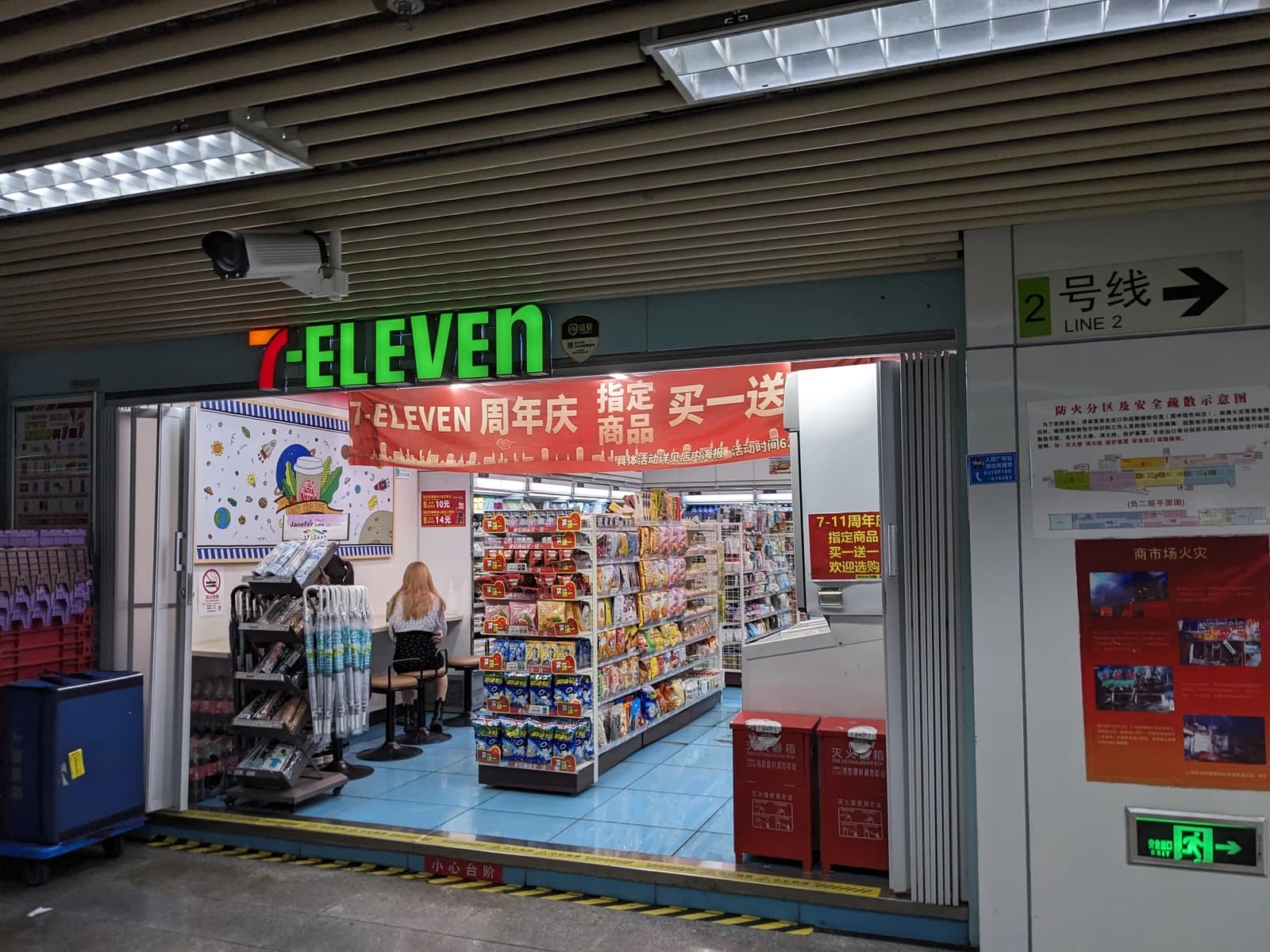
That change matters because convenience stores in China were built on proximity: a short walk, a quick purchase and a small basket. Now that same promise is being undercut by Meituan and other platforms that can deliver nearby items faster than many customers can reach the counter themselves, and often at a lower total cost.
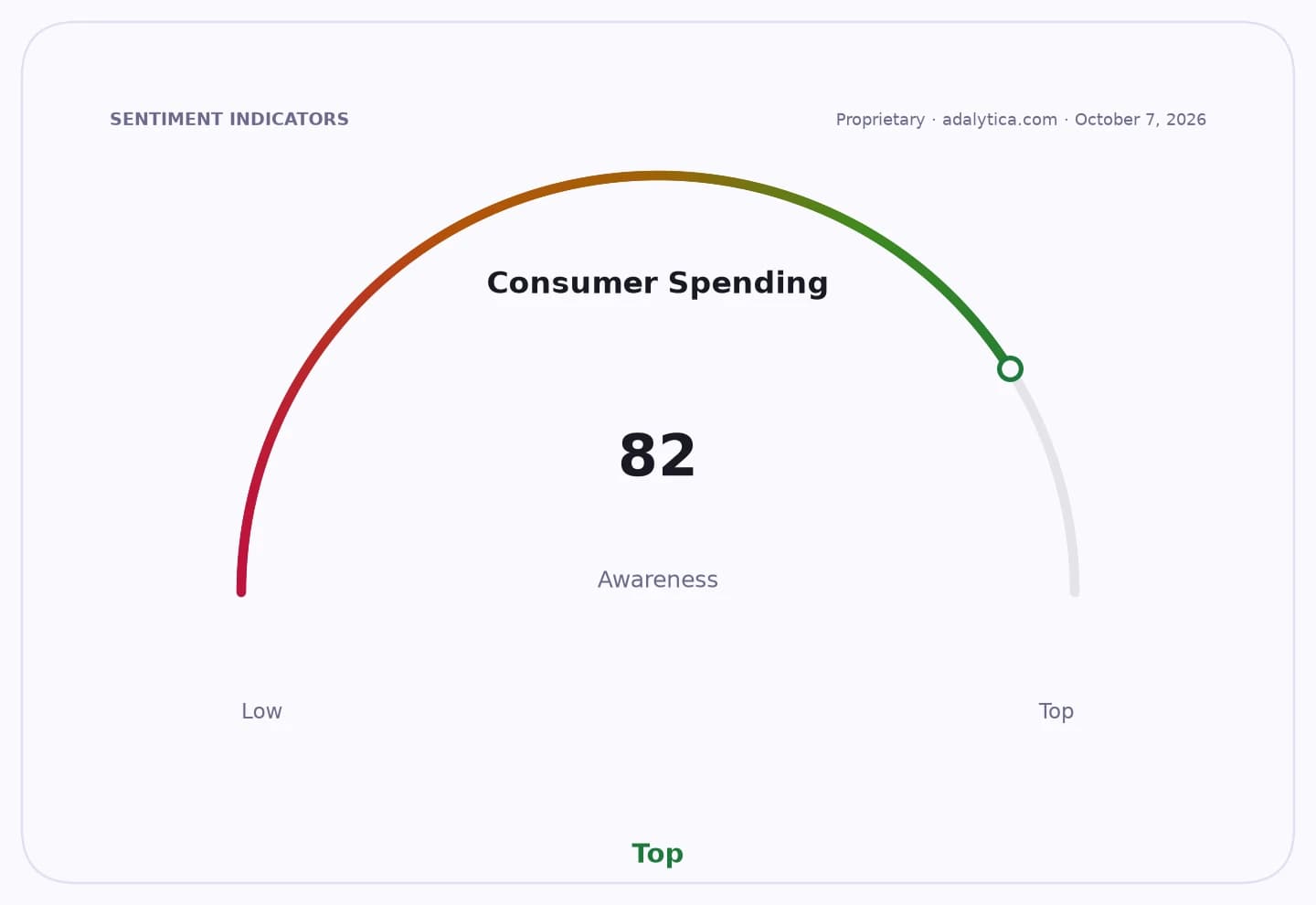
Sentiment IndicatorsⓘProprietary · adalytica.com · October 8, 2026
This is a snapshot — live sentiment, awareness and momentum for 130+ markets update continuously in the dashboard.Open AlphaPulse
A survey by the China Chain Store and Franchise Association found 72% of convenience-store chains said customer traffic fell in the first half of this year, nearly double the 37% recorded a year earlier. About half reported lower revenue, while only a quarter saw net profit rise.
The erosion is showing up in the numbers. Average daily foot traffic at Chinese convenience stores fell to 284 visits last year, down nearly 20% from 2023, while average spending per customer dropped more than 20% from 2022. Store revenue per day has declined for six straight years through 2025, suggesting the problem is structural, not just cyclical.
For investors, the key issue is margin pressure. Convenience-store operators are being squeezed by higher operating costs, including labor, while government policy encouraging wage gains adds to expenses. At the same time, many chains have not modernized as aggressively as peers in Japan, with limited use of self-checkout and automation keeping operating efficiency below global benchmarks.
The competitive threat is not coming from a single retailer but from the instant-delivery ecosystem itself. In a recent test in Dalian, beverage orders arrived in about six minutes with a fee of 4.8 yuan, or less than $1, while pharmacy items came in around 12 minutes for 2.8 yuan. That effectively erases the advantage of being physically close.
The market for instant retail is still expanding fast. China’s Commerce Ministry said the segment was worth 117.9 billion yuan in 2019, before the pandemic, and quadrupled in the next three years. It is projected to top 1 trillion yuan by 2026, giving platforms scale that traditional stores cannot match on speed or price.
Convenience chains are trying to fight back by taking orders through apps, but penetration remains low: fewer than 40% offered instant-delivery services by 2025. Many also lack the product breadth to compete with supermarkets online, while private-label goods still account for less than 5% of sales, far below the 40%-50% share common in Japanese convenience stores.
The broader narrative is that “convenience” in China is being rewritten by logistics and labor supply, not real estate. Unless chains build stronger digital fulfillment and distinctive products, more of the value in quick retail is likely to shift to delivery platforms rather than storefront operators.
| Entity | Gains | Losses |
|---|---|---|
| Meituan and instant-delivery apps | ▲More orders, higher market share | ▼N/A |
| Chinese convenience-store chains | ▲Faster digital adoption potential | ▼Foot traffic and margins |
| Consumers | ▲Cheaper, faster home delivery | ▼Less need to visit stores |
| Labor-platform economy | ▲More demand for couriers | ▼Traditional retail employment |