Temu is using a “local to local” strategy in Switzerland to cut delivery times and soften its image, but the label can still point shoppers to goods that ship from Chinese stock sitting in European warehouses, raising fresh questions about consumer transparency, product safety and the platform’s impact on local retailers.
Temu Switzerland local-to-local strategy draws scrutiny
The issue matters economically because Temu is trying to turn a low-cost cross-border marketplace into a more defensible local commerce channel. By opening its platform to Swiss merchants and leaning on European warehouses stocked with Chinese merchandise, the company can shorten delivery windows from the 6-to-20-day range typical of direct China shipments while keeping prices low — a combination that threatens domestic e-commerce and bricks-and-mortar sellers.
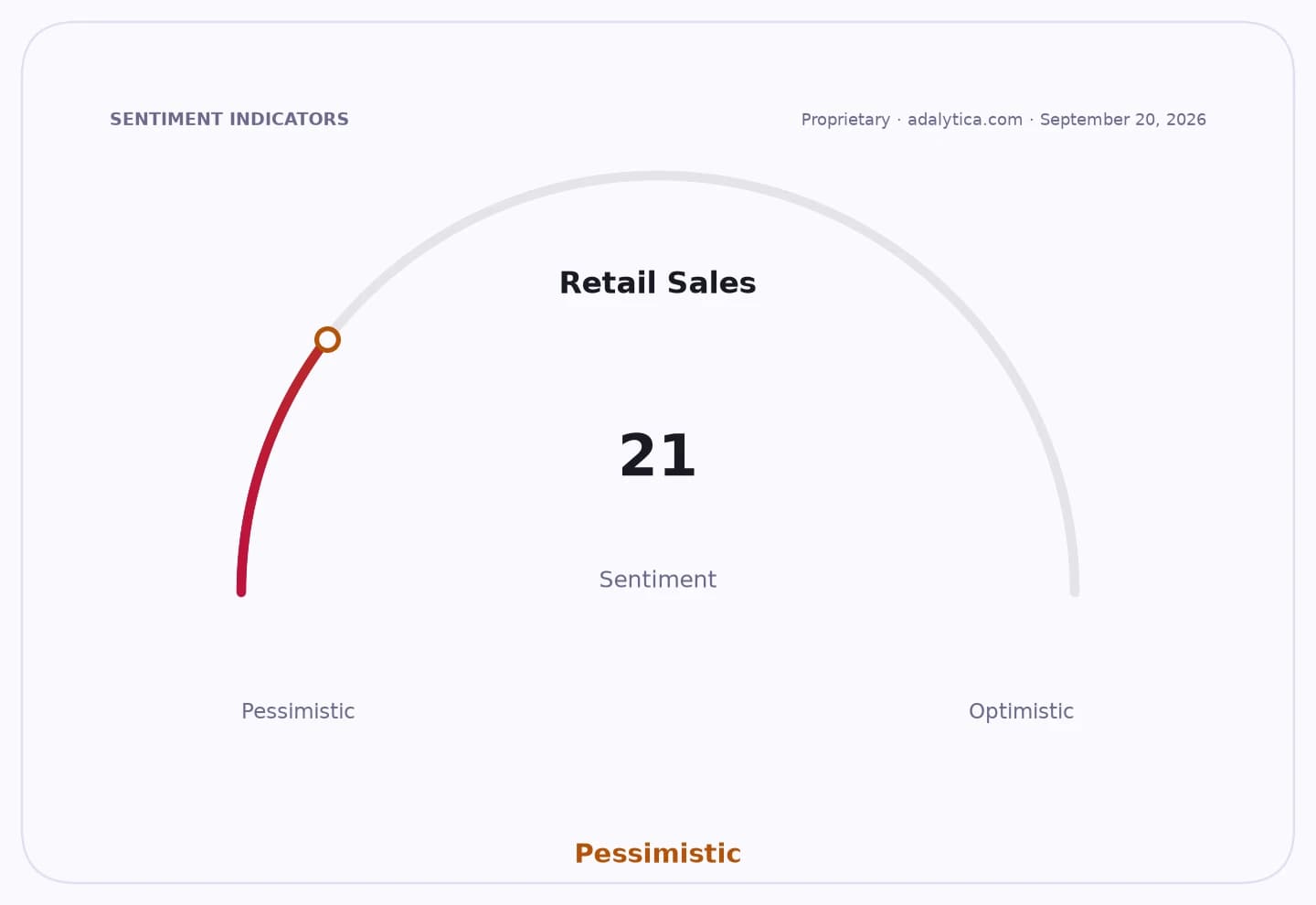
Sentiment IndicatorsⓘProprietary · adalytica.com · September 5, 2026
This is a snapshot — live sentiment, awareness and momentum for 130+ markets update continuously in the dashboard.Open AlphaPulse
Swiss traders say that pressure is already showing up in Temu’s seller terms. Daniel Lauper, a Swiss merchant selling household and leisure goods on the platform, said Temu has repeatedly pushed price cuts of as much as 40% and reduces visibility if sellers refuse. The platform also demands shipping within one to two days and threatens a five-franc penalty per parcel, a strict standard compared with other Swiss online marketplaces.
For investors, the story goes to the heart of Temu parent PDD Holdings’ global growth model. Temu has become one of Switzerland’s biggest online retailers, overtaking Amazon and ranking fourth by revenue, but that scale invites closer scrutiny over whether “local” claims are misleading and whether the platform can keep expanding in Europe without more regulatory friction.
The concern is not just semantics. Handelsverband.swiss says buyers are not contracting with Temu itself but with the individual seller, which can determine whether Swiss or Chinese law applies. If the seller is Chinese, Swiss safety standards may not apply, and the group argues consumers have little recourse in a dispute because Temu disclaims responsibility in its terms.
Temu did not directly address the criticism when asked by Swiss broadcaster Kassensturz. For PDD, the next catalyst is whether regulators, consumer groups or local retailers force clearer disclosure around warehouse origin and seller identity, a move that could raise compliance costs and slow the company’s European expansion.
| Entity | Gains | Losses |
|---|---|---|
| Temu/PDD Holdings | ▲Faster European delivery | ▼More scrutiny over labeling |
| Swiss shoppers | ▲Lower prices, quicker shipping | ▼Less clarity on product origin |
| Swiss merchants | ▲Access to Temu’s traffic | ▼Margin pressure, stricter terms |
| Local retailers | ▲None | ▼More competition from Temu |