Europe’s drive to spread tourism demand beyond the summer peak is becoming more than a policy slogan, as investors reassess which travel platforms can capture longer-season demand and which are more exposed to a fragile consumer backdrop.
Europe tourism push lifts Airbnb, Booking, Sands
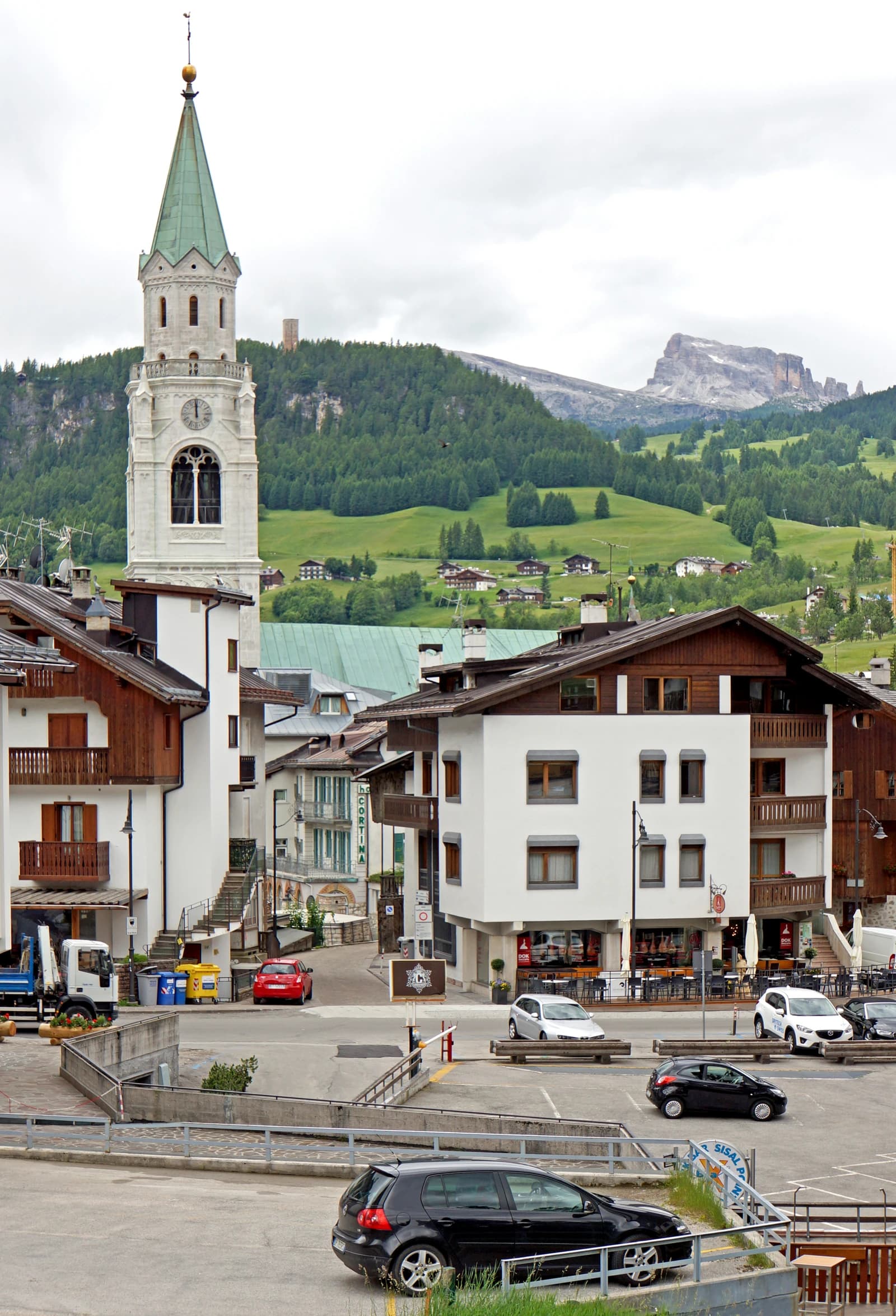
The economic stakes are material. A successful shift toward year-round travel can lift hotel occupancy, improve airline and room-night utilization, and smooth the earnings volatility that has long defined the sector. It also matters for destinations that rely on tourism receipts to support jobs, tax revenues and small businesses, particularly in southern Europe where summer concentration leaves infrastructure underused for much of the year. The push toward sustainable and urban tourism, highlighted by industry fairs and summits across the region, is designed to broaden the customer base while easing pressure on overcrowded hotspots.
Sentiment Indicators
Consumer Spending
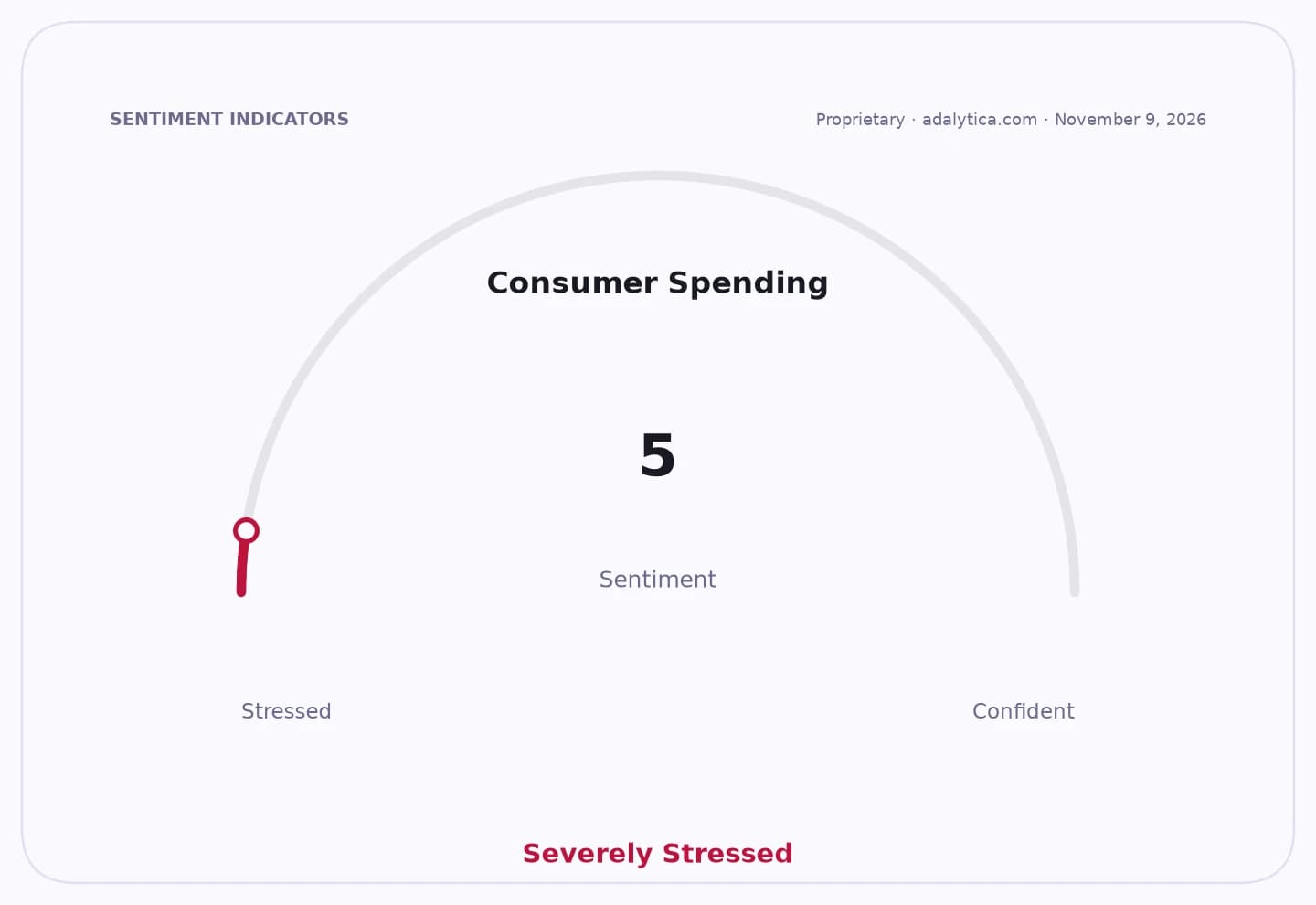
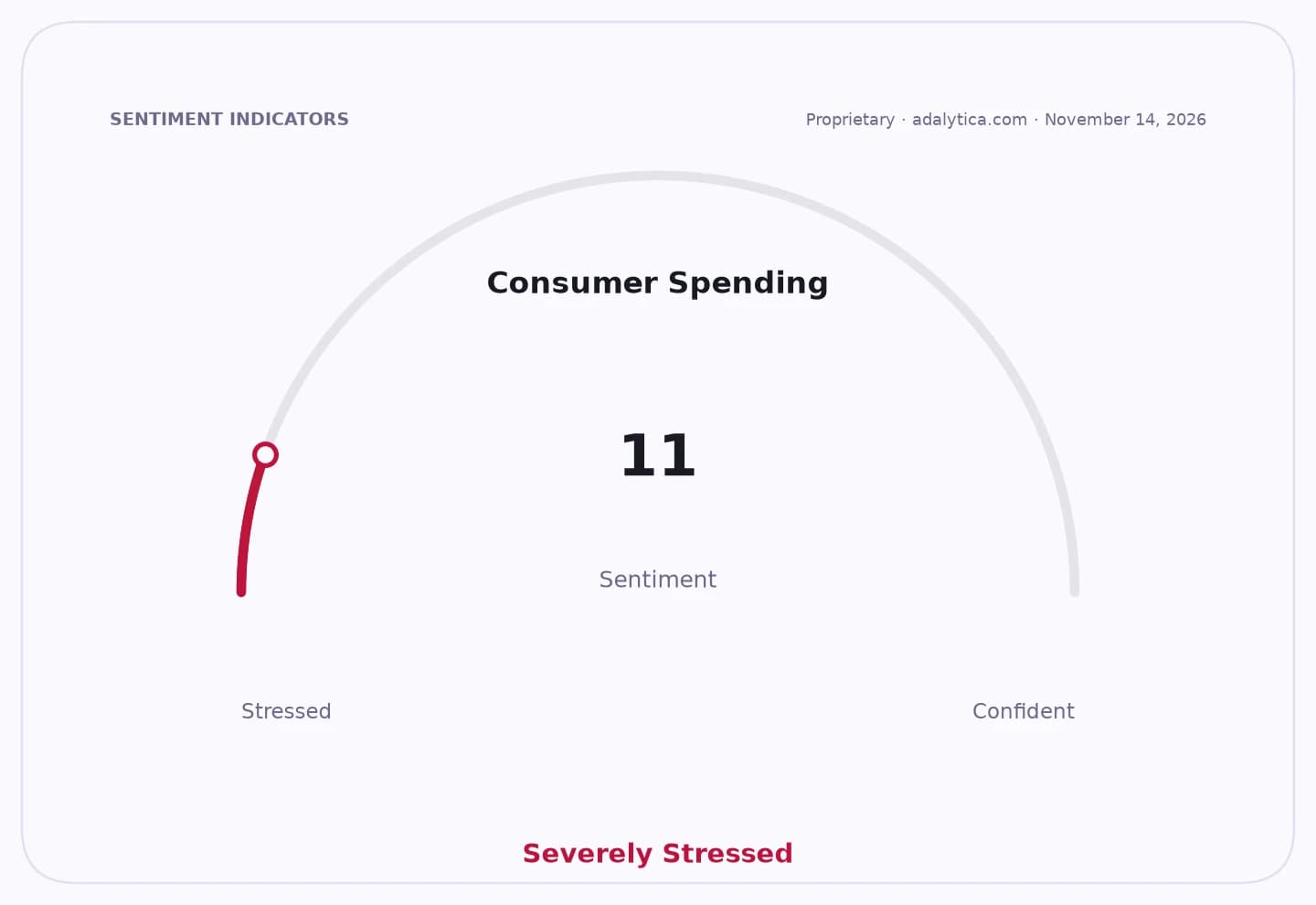
For investors, the question is whether this structural theme is strong enough to offset more immediate headwinds. Consumer spending sentiment, tracked by Adalytica.com, remains in “Extreme Fear,” suggesting households are still cautious about discretionary travel even as awareness of travel opportunities remains elevated. That caution helps explain why tourism equities have not moved in lockstep. Booking Holdings has slipped to about $159.58 from more than $199 in early September, while Airbnb has climbed to $186.78 from $171.11 earlier this month. Las Vegas Sands, meanwhile, has rebounded from October lows but remains far below its longer-term trading range.
The divergence reflects different exposures to the same underlying theme. Booking Holdings, a large online intermediary for hotels and other accommodations, is more levered to broader European and global travel flows and to the health of commission-driven bookings. Airbnb stands to benefit if year-round tourism extends into city breaks, shoulder-season travel and non-traditional destinations, where short-term rentals can gain share. Casinos and resort operators such as Las Vegas Sands have a separate but related angle: longer travel seasons can support leisure spending and convention traffic, but they are also more sensitive to consumer confidence and regional demand swings.

Technical readings underscore the split. Airbnb’s shares are trading well above both the 50-day and 200-day moving averages, with momentum firming after a sharp rebound. Booking remains below its 50-day average and below its 200-day average, even after a recent stabilization. Las Vegas Sands is also below its 200-day average, though it has bounced off heavily sold levels. That pattern suggests investors are rewarding businesses with clearer pricing power and differentiated demand, while remaining wary of operators whose results depend on a broad-based recovery in travel spending.
The broader narrative is that Europe’s tourism strategy is shifting from volume to durability. By promoting winter city trips, cultural events and off-season regional travel, policymakers are trying to make tourism less cyclical and less dependent on the Mediterranean summer. The risk is that demand may prove too soft to fill the gap if inflation, weaker real incomes or geopolitical uncertainty restrain consumers. The upside is a more resilient travel market with better asset utilization and steadier cash flows.
For investors, the next catalyst will be whether booking trends in the coming quarters show that Europe’s year-round push is translating into higher occupancy and stronger average daily rates rather than just redistributing trips across the calendar. If it does, the beneficiaries are likely to be platforms and operators with broad European exposure and flexible inventory. If it does not, the sector may continue to reward only the strongest brands and the most domestically driven demand.
| Entity | Gains | Losses |
|---|---|---|
| European tourism boards | ▲Smoother arrivals, fuller off-season capacity | ▼Reliance on summer peaks |
| Booking Holdings | ▲More room-night volume if demand broadens | ▼Weaker multiple if spending stays soft |
| Airbnb | ▲City-break and shoulder-season demand | ▼Less benefit if leisure budgets tighten |
| Traditional summer hotspots | ▲Longer booking season | ▼Pressure to diversify tourism mix |