Italy’s ski season is becoming materially less affordable, with day passes in major resorts now reaching as much as 89 euros and five-year price increases topping 43%, a squeeze that is already pushing millions of households out of the market.
Italy ski pass prices rise in major resorts
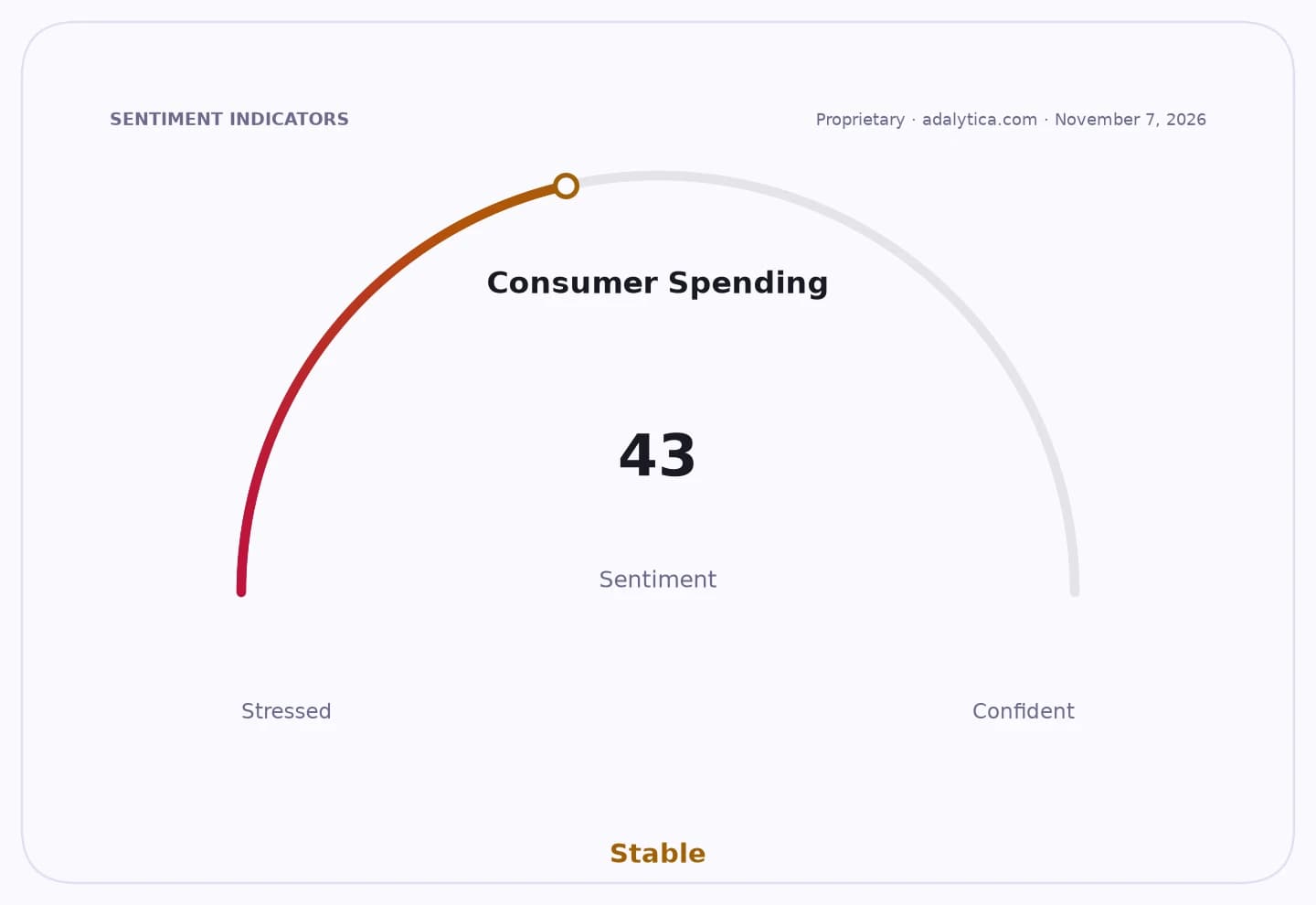
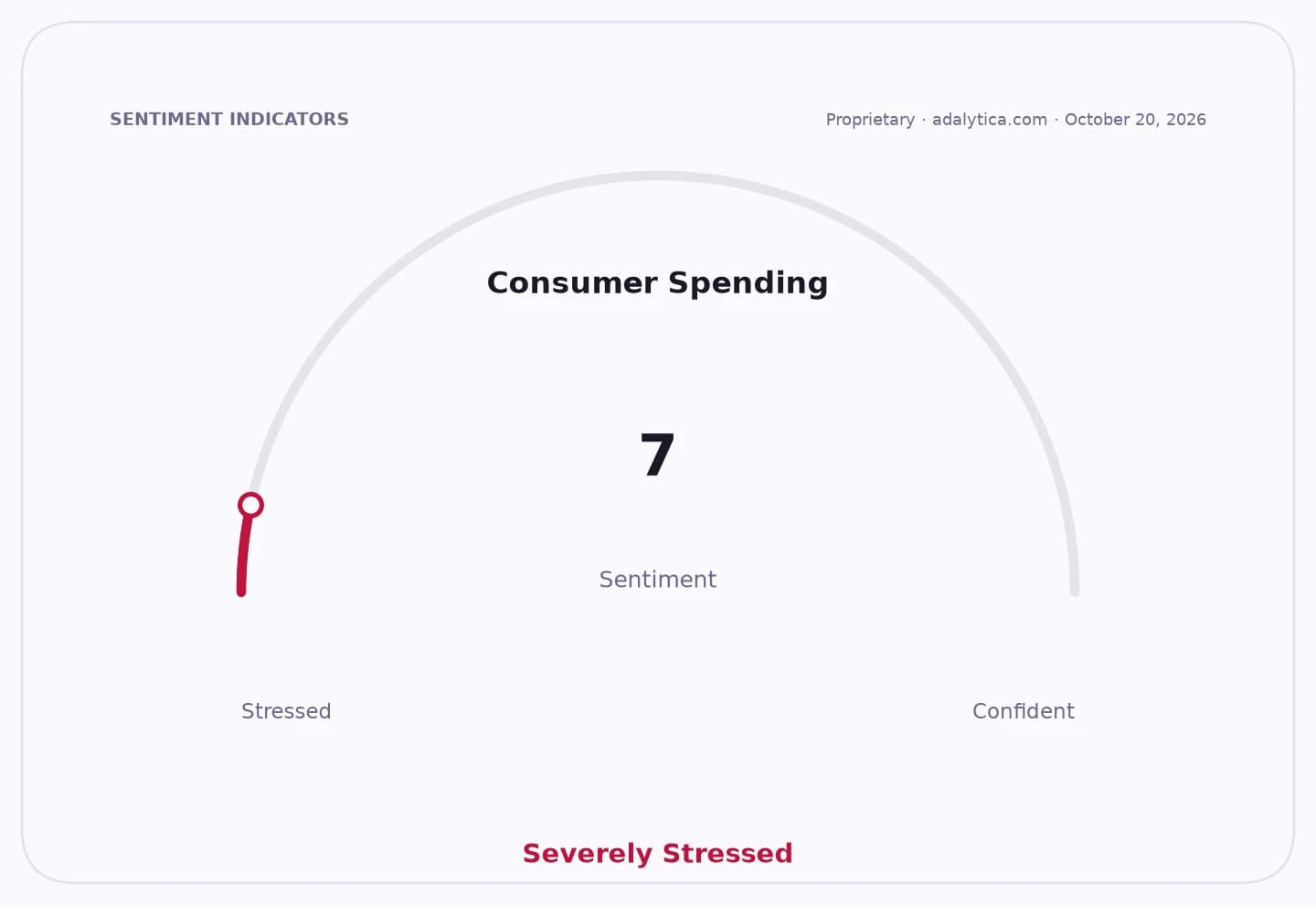
Consumer Spending
That matters because the alpine economy is not just a leisure story: it is a winter consumption chain that runs from lift operators to hotels, restaurants, equipment rental and transport. When pass prices rise faster than wages and household budgets, demand contracts, and the pain spreads well beyond the mountain.
Sentiment Indicators
Assoutenti said the Dolomiti Superski network will charge up to 89 euros for a daily adult pass in peak season, up from 86 euros last winter, while Courmayeur will ask 75 euros and Sestriere 69 euros. Over five years, Livigno’s day ticket has climbed 43.3%, Bormio’s 37%, Vialattea’s 36.6%, Courmayeur’s 33.9% and Dolomiti Superski’s 32.8%.
The broader bill is even steeper for households. A family of four adults can now spend 356 euros for a single day of skiing on the Dolomites before factoring in equipment, lessons, food, travel or lodging. Seasonal passes are also rising, with the Valle d’Aosta package reaching 1,590 euros and 1,876 euros if Swiss lifts at Zermatt are included. Dolomiti Superski’s seasonal pass costs 990 euros in early-bird sales until Dec. 24, then 1,060 euros.
Assoutenti estimates that two million Italians have given up ski holidays versus 2019, implying about 1.5 billion euros in lost turnover for the sector. That is the key macroeconomic point: price increases may lift revenue per skier in the short term, but they also risk shrinking the customer base and weakening ancillary spending in mountain towns.
The inflation backdrop helps explain why the issue is becoming more acute. Broad consumer prices remain elevated, and winter tourism faces its own cost pressures from energy, labor, insurance and maintenance. Mountain operators have little room to absorb those costs, but repeated price hikes also make skiing more discretionary for middle-income families, especially those with children.
For investors, the story is a reminder that premium leisure can hold up better than mass-market travel when supply is constrained, but elasticity still bites. Lift operators may protect margins for now, yet weaker participation can hit hotel occupancy, food-and-beverage sales and rental demand. Seasonal pass sales, advance bookings and ancillary spend will be the key indicators to watch as the season opens.
The bull case is that scarcity and premium positioning allow resorts to keep raising prices. The bear case is that ski holidays are turning into a luxury purchase for a narrower customer base, limiting volume growth and making winter tourism more dependent on affluent repeat visitors and foreign demand.
| Entity | Gains | Losses |
|---|---|---|
| Ski operators | ▲Higher revenue per skier | ▼Lower volume risk |
| Premium resorts | ▲Pricing power | ▼Middle-income demand |
| Wealthier skiers | ▲Preserve access | ▼— |
| Italian families | ▲— | ▼Higher holiday costs |