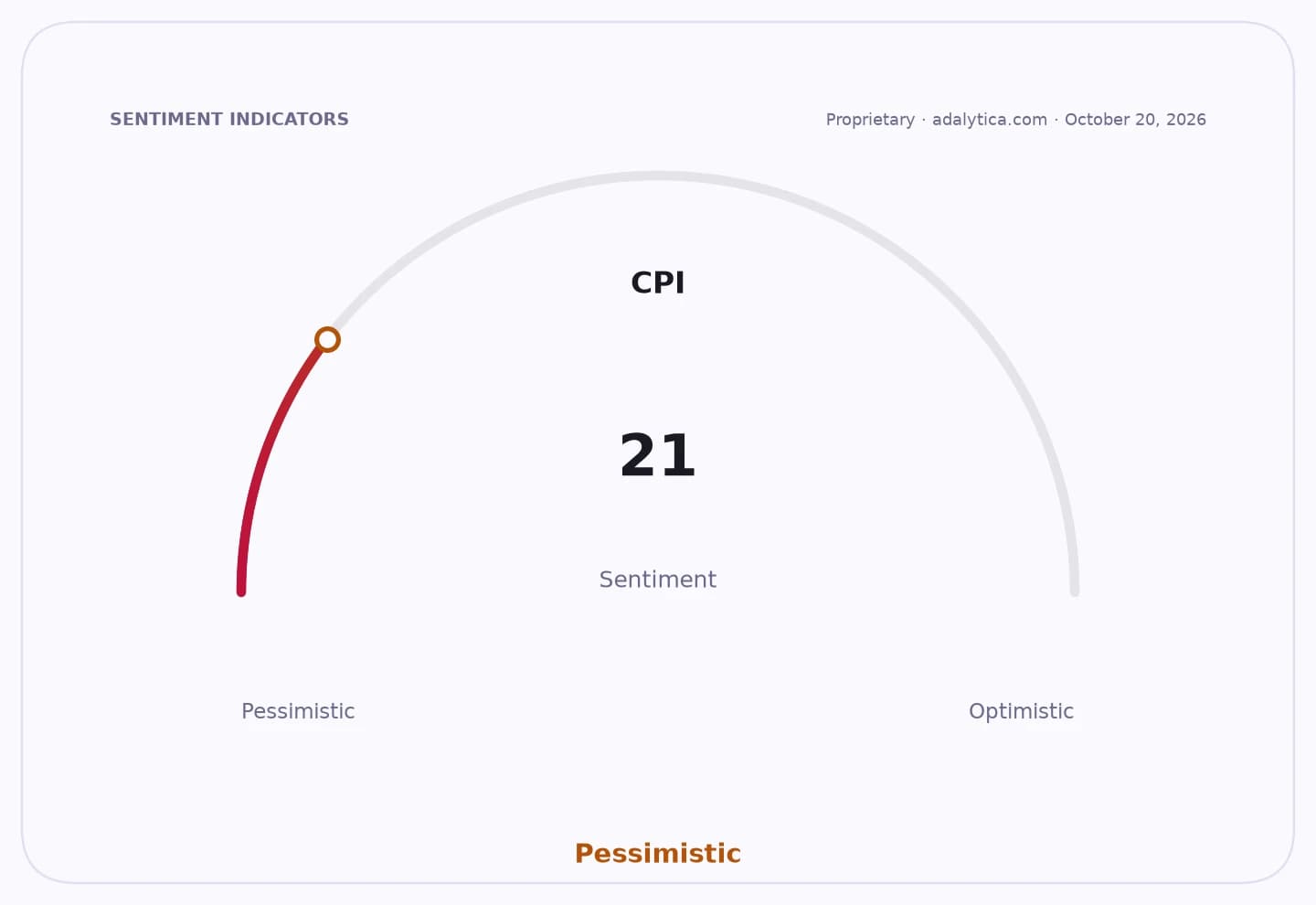
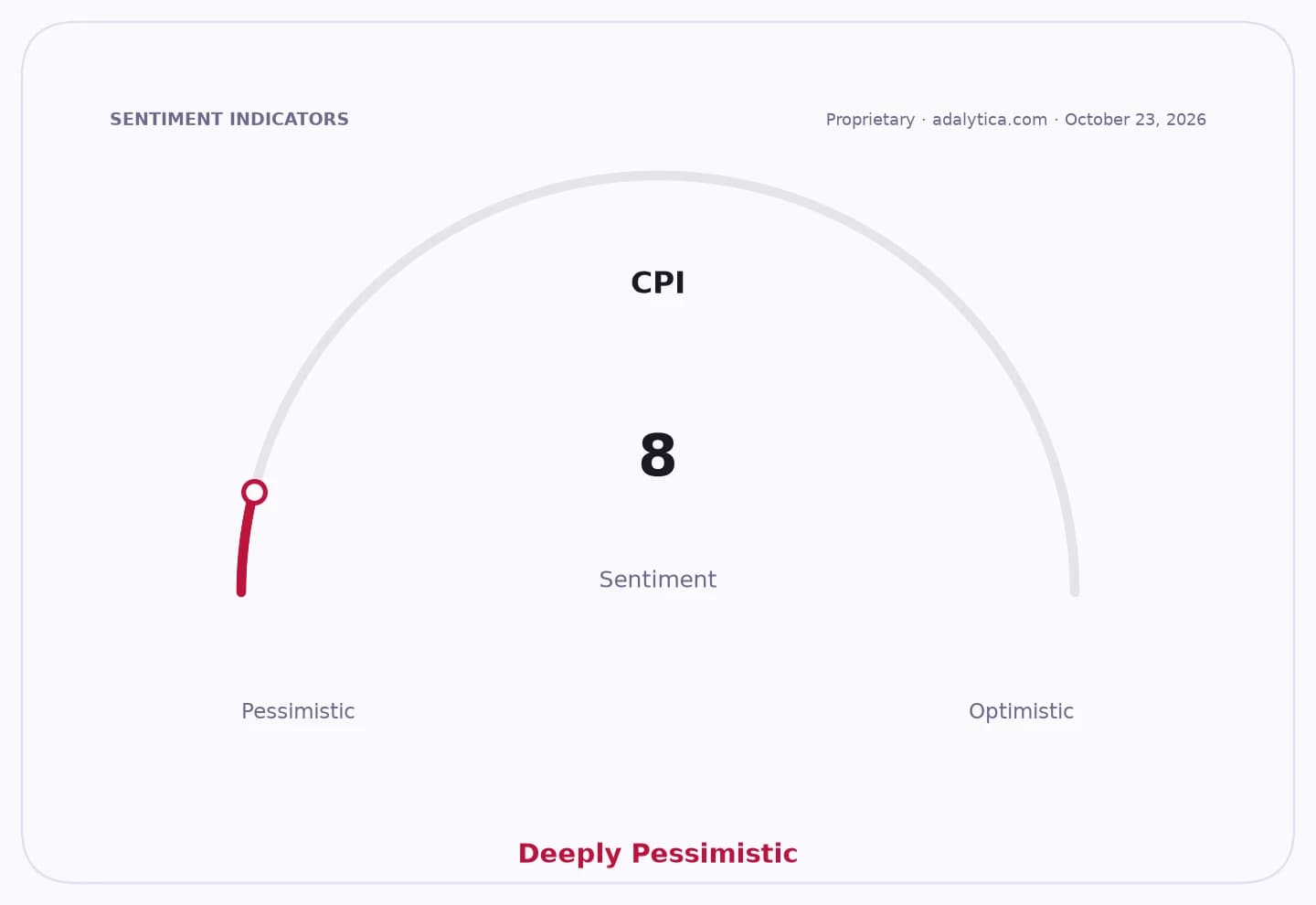
Sardinia’s cost of living is still climbing, with inflation in September translating into as much as 853 euros in extra annual spending for a typical family in Sassari, underscoring how price pressures continue to erode household purchasing power even in parts of Italy that are less exposed than the national hotspots.
Sardinia Inflation Raises Family Costs in September
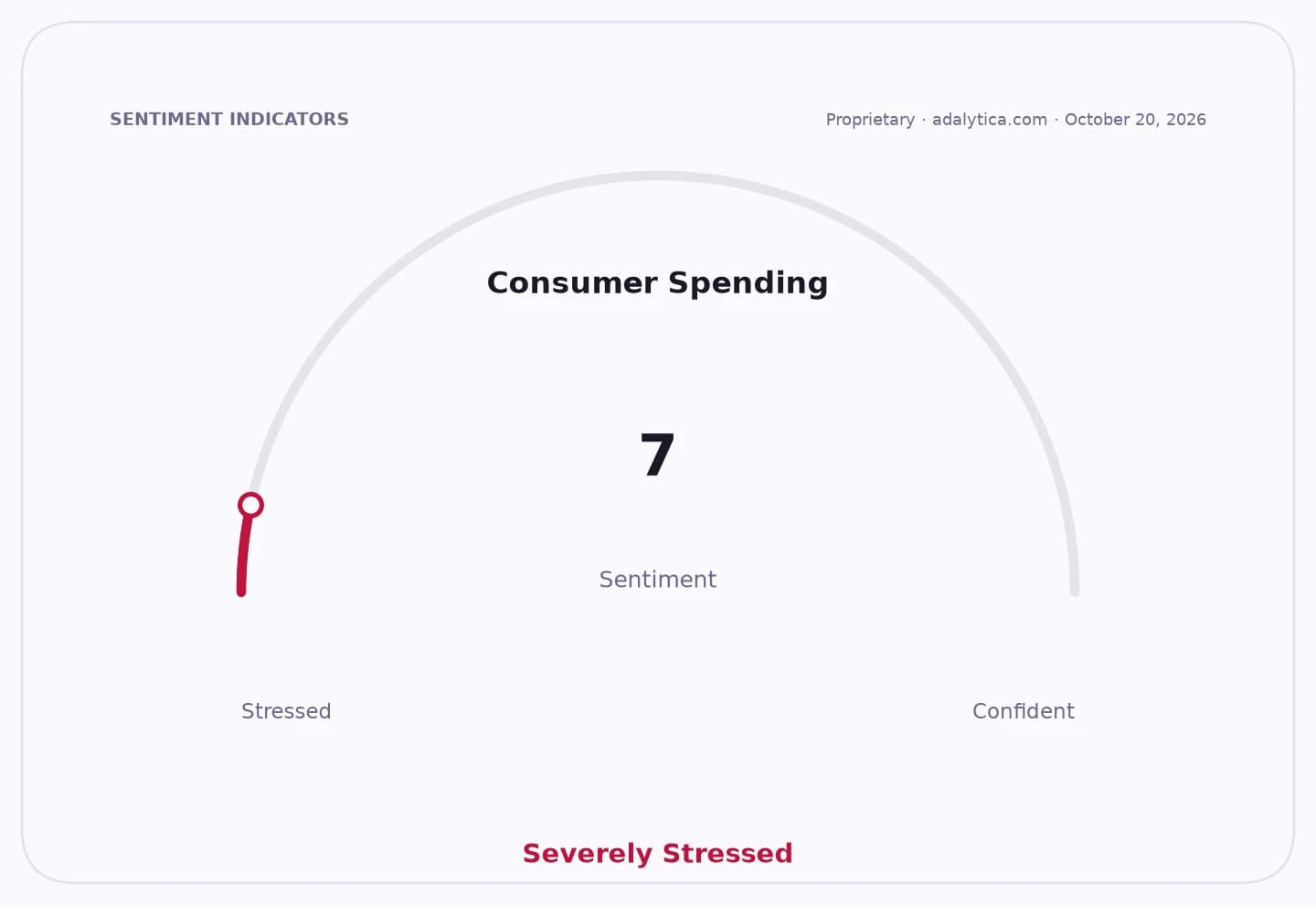
The latest territorial inflation data, compiled by Italy’s consumer group Unione Nazionale Consumatori using Istat figures, show Sardinia’s regional inflation rate at 4.4%, slightly above the national 4.2%. That gap may look modest, but it is enough to leave families paying more for everyday essentials from groceries to services, at a time when real incomes remain under strain.
In Sardinia, the annual hit to household budgets is estimated at 842 euros on average, with Cagliari at 836 euros and Sassari at 853 euros. While those figures are below the national average burden of 1,061 euros, they still point to persistent pressure on domestic spending and savings. By contrast, Olbia-Tempio posted a more contained 3.9% inflation rate, limiting the annual increase in costs to 774 euros.
For investors and policymakers, the significance is less about Sardinia alone than about the uneven geography of inflation. Regional divergences are shaping consumer behavior, service demand and political sensitivity to prices, even as Italy’s broader inflation rate remains elevated. Areas with faster price gains tend to see a sharper squeeze on discretionary spending, which can weigh on local retailers, tourism-linked consumption and small business margins.
The broader picture is one of households still absorbing a cost shock that has not fully faded. Vicenza, Rimini and Como recorded the steepest annual increases nationally, showing that Sardinia is not among the hardest-hit areas, but also that the inflation burden remains widely distributed across the country. That keeps the debate over incomes, wages and targeted relief measures alive, especially as consumer confidence remains fragile.
For now, the message from Sardinia is straightforward: even where inflation is not at Italy’s worst levels, the cumulative effect is still meaningful for family budgets and consumer demand, and it is likely to keep feeding pressure for policy action if price growth proves sticky.
| Entity | Gains | Losses |
|---|---|---|
| Sardinian households | ▲Lower burden than national hotspots | ▼Higher grocery and utility bills |
| Local retailers/services | ▲Nominal revenue uplift | ▼Weaker real demand |
| Policymakers | ▲Evidence for targeted relief | ▼Pressure to address cost of living |
| Consumers in Olbia-Tempio | ▲Mildest inflation in Sardinia | ▼Limited relief from broader price pressures |