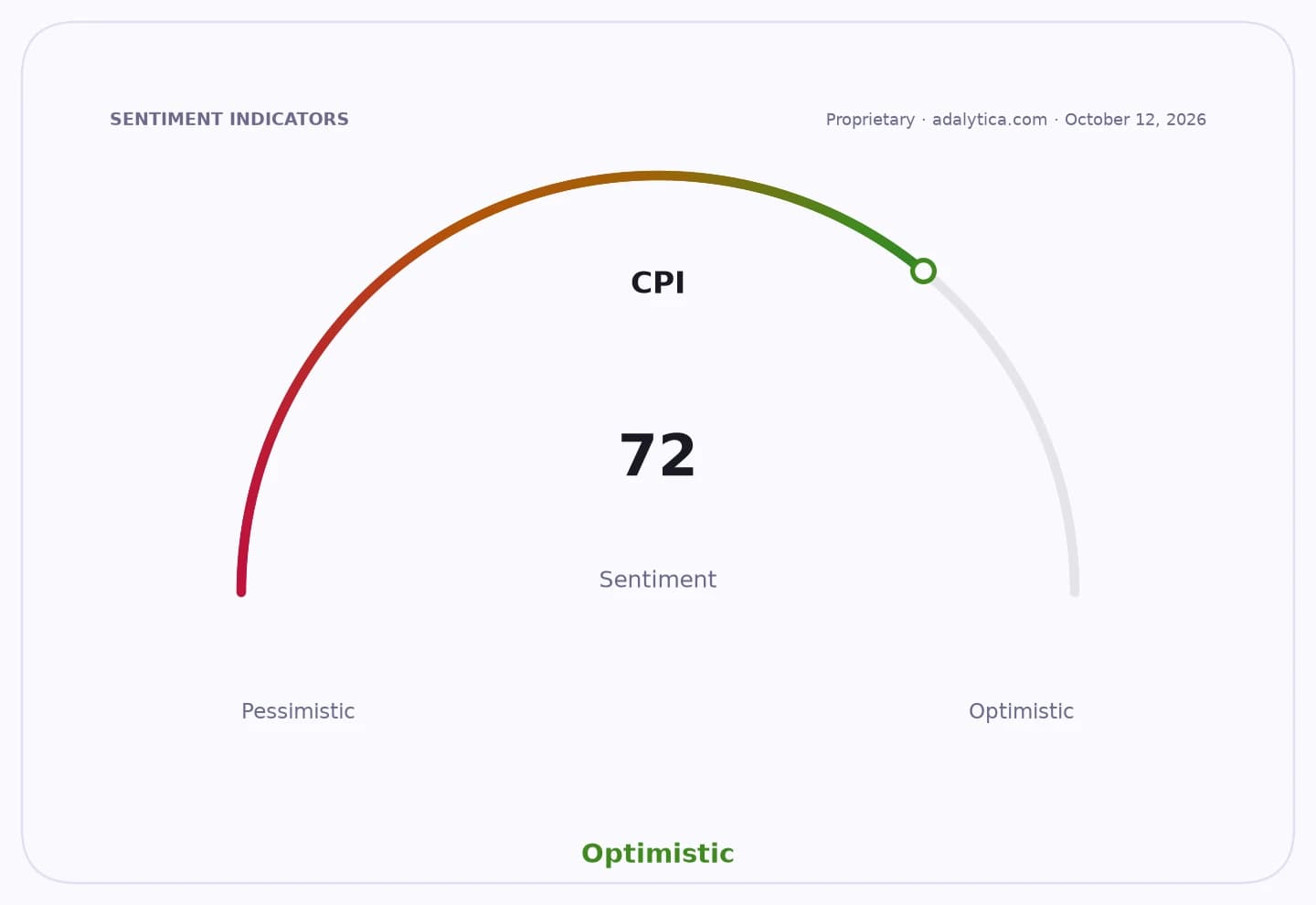
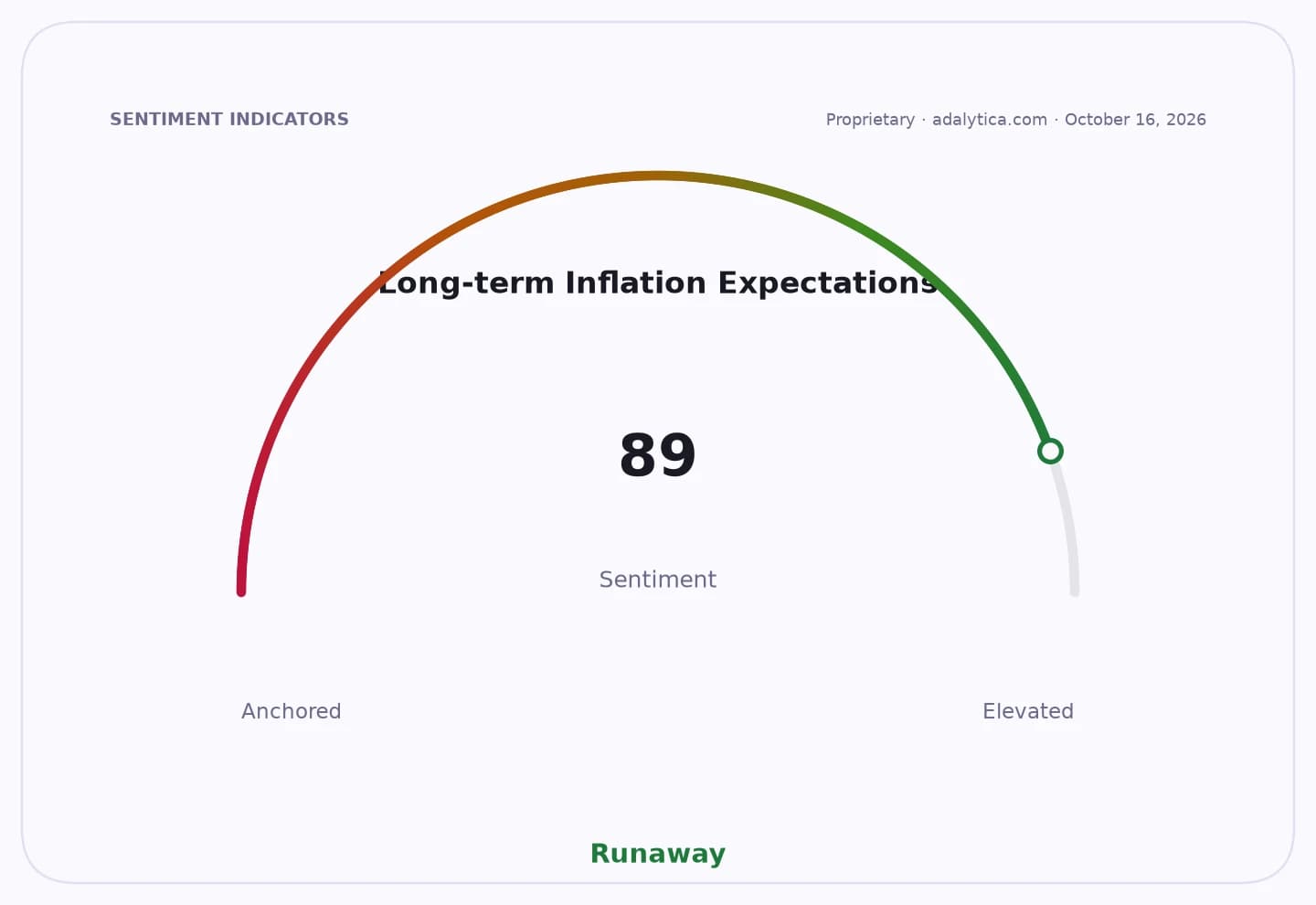
Inflation is forcing the Basque regional authorities to soften personal income taxes next year, a move that will leave households with a little more of their wage gains and trim public revenue by more than 100 million euros.
Basque councils cut income taxes 3% for 2026
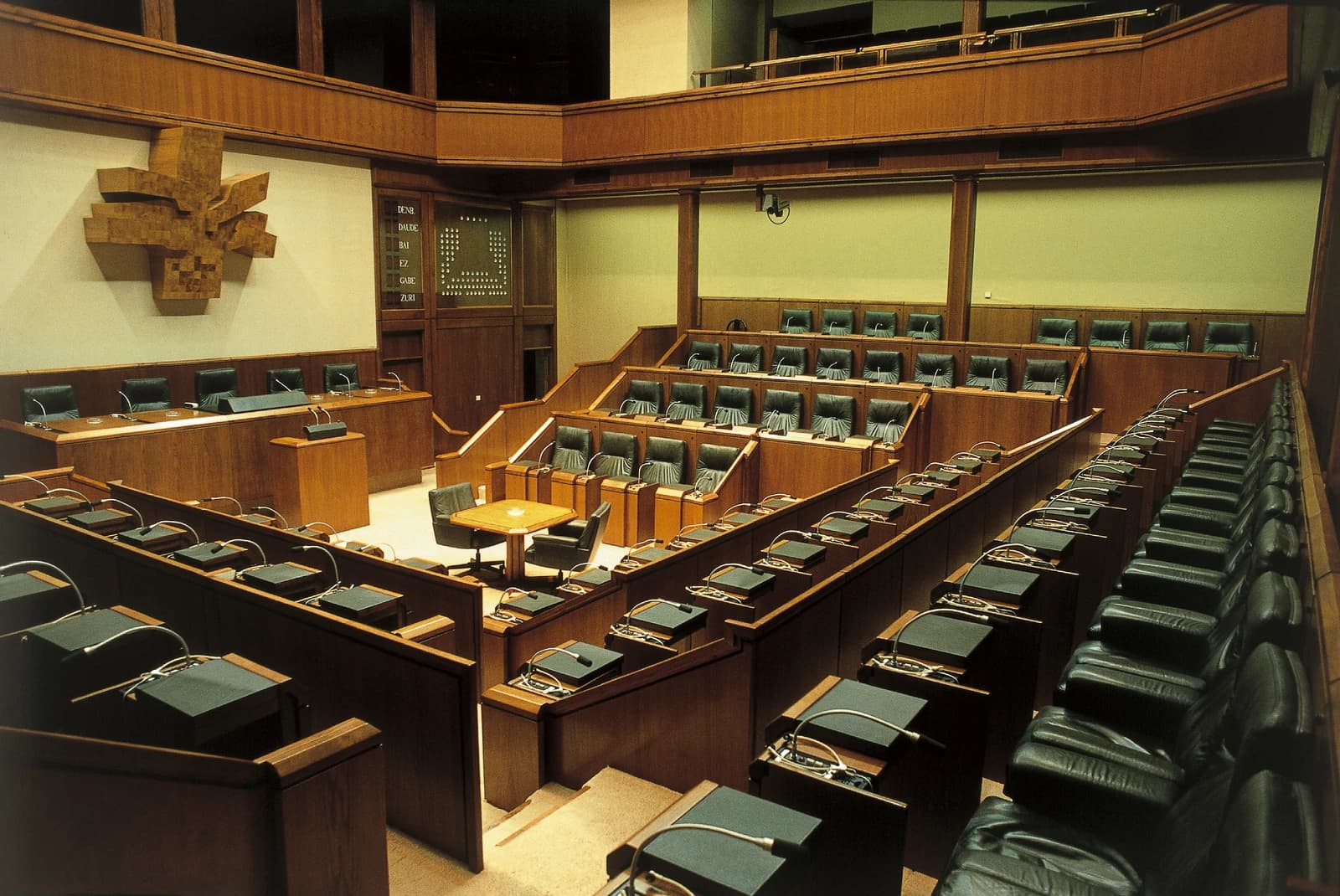
The agreement by the Basque provincial councils and the regional government to apply a 3% deflation adjustment to the IRPF, Spain’s personal income tax, is economically important because it tries to stop inflation from pushing workers into higher tax brackets without any real increase in purchasing power. That problem, known as “cold progression,” can quietly raise the tax burden even when living standards are not improving.
Sentiment IndicatorsⓘProprietary · adalytica.com · October 17, 2026
This is a snapshot — live sentiment, awareness and momentum for 130+ markets update continuously in the dashboard.Open AlphaPulse
For investors and businesses, the significance is straightforward: when inflation is still running hot, tax policy becomes part of the cost-of-living response. The councils estimate the measure will reduce their revenue by 113 million euros, though local economic groups say the relief still falls short of price growth. Consumer prices in the Basque Country were rising 5% year on year last month, meaning the tax adjustment does not fully keep pace with inflation.
That gap matters because households only feel relief when fiscal policy matches the pace of price increases. Confebask, the Basque employers’ group, has argued the adjustment should be applied more directly to inflation, while Alava’s deputy general Ramiro González says the 3% move reflects average wage increases and effectively freezes the IRPF. The debate highlights a familiar tension in Europe: governments want to protect buying power, but they also need tax receipts to keep budgets balanced.
The Basque councils are using a standard tax mechanism that raises income thresholds and deductions so nominal pay rises do not get swallowed by the tax system. It is a common tool in the region and the most ambitious deflation adjustment since 2022, when surging inflation following the war in Ukraine led to a 5.5% adjustment. That was followed by smaller relief measures of 2% in 2023, 2.5% in 2024 and 2% in 2026, after a fiscal reform in 2025 made a fresh adjustment unnecessary.
For long-term investors, the broader takeaway is that inflation remains a direct political and economic variable, not just a macro statistic. Higher prices squeeze consumers, influence wage negotiations and force governments to choose between household relief and revenue stability. If inflation stays elevated, more tax adjustments could follow, supporting disposable income but also limiting fiscal room for public spending.
The latest move is worth watching because it shows how persistent price pressure continues to shape policy far beyond central banks. For now, Basque households get modest relief, businesses get a sign that wage costs and tax policy are still under strain, and policymakers get another reminder that inflation has not faded into the background.
| Entity | Gains | Losses |
|---|---|---|
| Basque households | ▲Higher take-home pay | ▼Lower inflation-adjusted taxes |
| Basque councils | ▲Political cover | ▼113 million euros in revenue |
| Employers and workers | ▲Less bracket creep | ▼Ongoing cost-of-living pressure |
| Spanish Treasury stance | ▲None | ▼Influence over regional tax policy |