Vicenza has become Italy’s costliest city in inflation terms, with September prices running 5.2% above a year earlier and adding 1,444 euros to the annual bill for a typical family, according to Istat data compiled by consumer group Unione Nazionale Consumatori.
Vicenza Tops Italy Inflation Cost Ranking
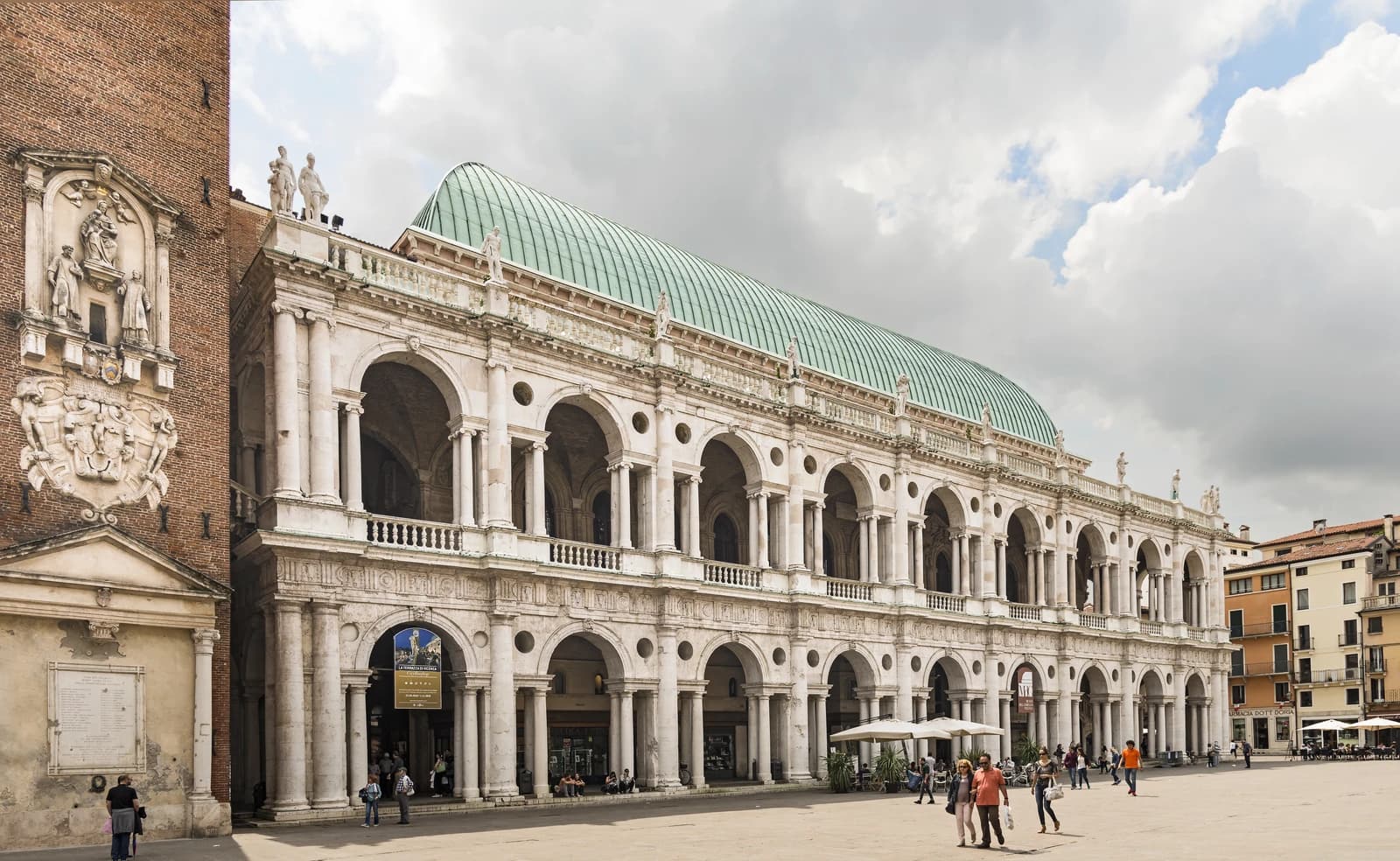
The ranking underscores how inflation remains uneven across the country even as the national rate shows signs of easing. For households, the pressure is not just a headline rate but the cash impact on budgets, and that is highest in Veneto, where the region leads the country with a 4.4% increase and an added annual cost of 1,191 euros.
Rimini ranked second among Italy’s priciest cities, with inflation of 4.6% and an extra 1,331 euros a year for a family. Como followed with 4.4% inflation and 1,319 euros in additional spending, while Terni came just outside the top three with 5% inflation and a 1,305-euro hit.
The list points to a broad-based squeeze across central and northern Italy, with Pistoia, Venice, Arezzo, Verona, Bolzano and Ferrara all in the top 10. Rome ranked 11th, with inflation of 4.3% and a 1,230-euro annual burden.
At the other end of the scale, Brindisi was the most affordable city in the ranking, with an annual cost increase of 746 euros despite inflation of 3.9%. Benevento and Olbia-Tempio also remained among the least expensive, while Cremona posted the lowest inflation rate in the country at 3.1%.
For investors, the data reinforce the case for sticky local price pressures in Italy, a factor that can weigh on consumer spending, regional demand and broader growth expectations. The figures also fit a wider backdrop of public discontent over living costs and growing pressure on policymakers to seek relief through fiscal measures rather than relying only on monetary policy.
| Entity | Gains | Losses |
|---|---|---|
| Vicenza households | ▲None | ▼Highest cost-of-living hit |
| Veneto region | ▲More policy attention | ▼Consumer purchasing power |
| Brindisi, Benevento | ▲Lower relative price pressure | ▼Less spending power relief elsewhere |
| Italian consumers overall | ▲Potential fiscal support debate | ▼Persistently higher living costs |