Turin will wait until Oct. 19 to turn on residential heating, a four-day delay that reflects unseasonably warm weather and offers a small but timely reprieve for households facing higher gas bills.
Turin delays residential heating until Oct. 19
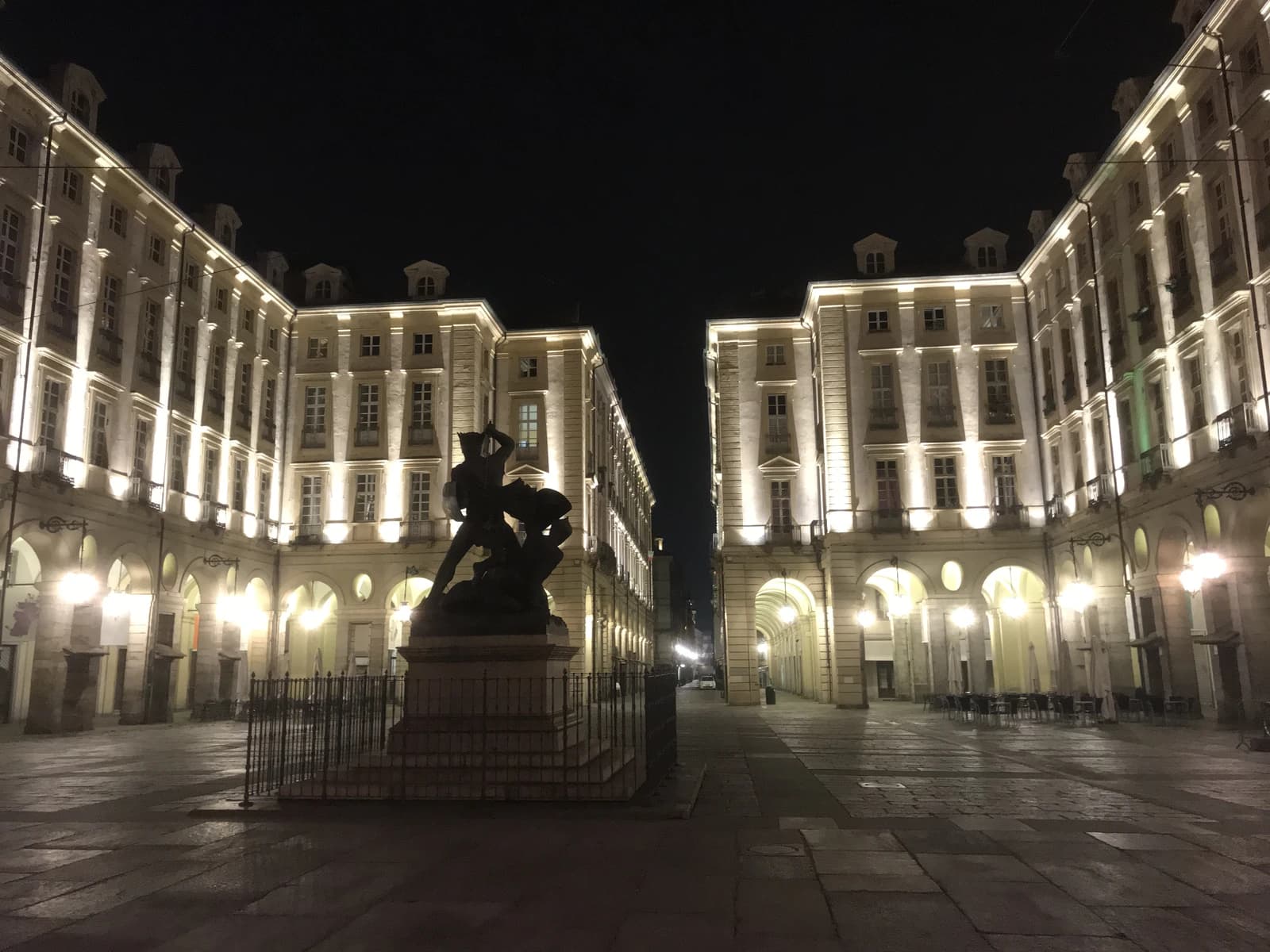
The city’s decision matters because it pushes back energy consumption just as Italy heads into the heating season with gas prices already firmer and consumers under pressure. ARPA, the regional environment agency, says temperatures will stay a few degrees above seasonal norms through the week, with daytime highs around or above 20C versus a historical average closer to 18C. That reduces near-term demand for gas-fired heating in a country still heavily exposed to imported energy costs.
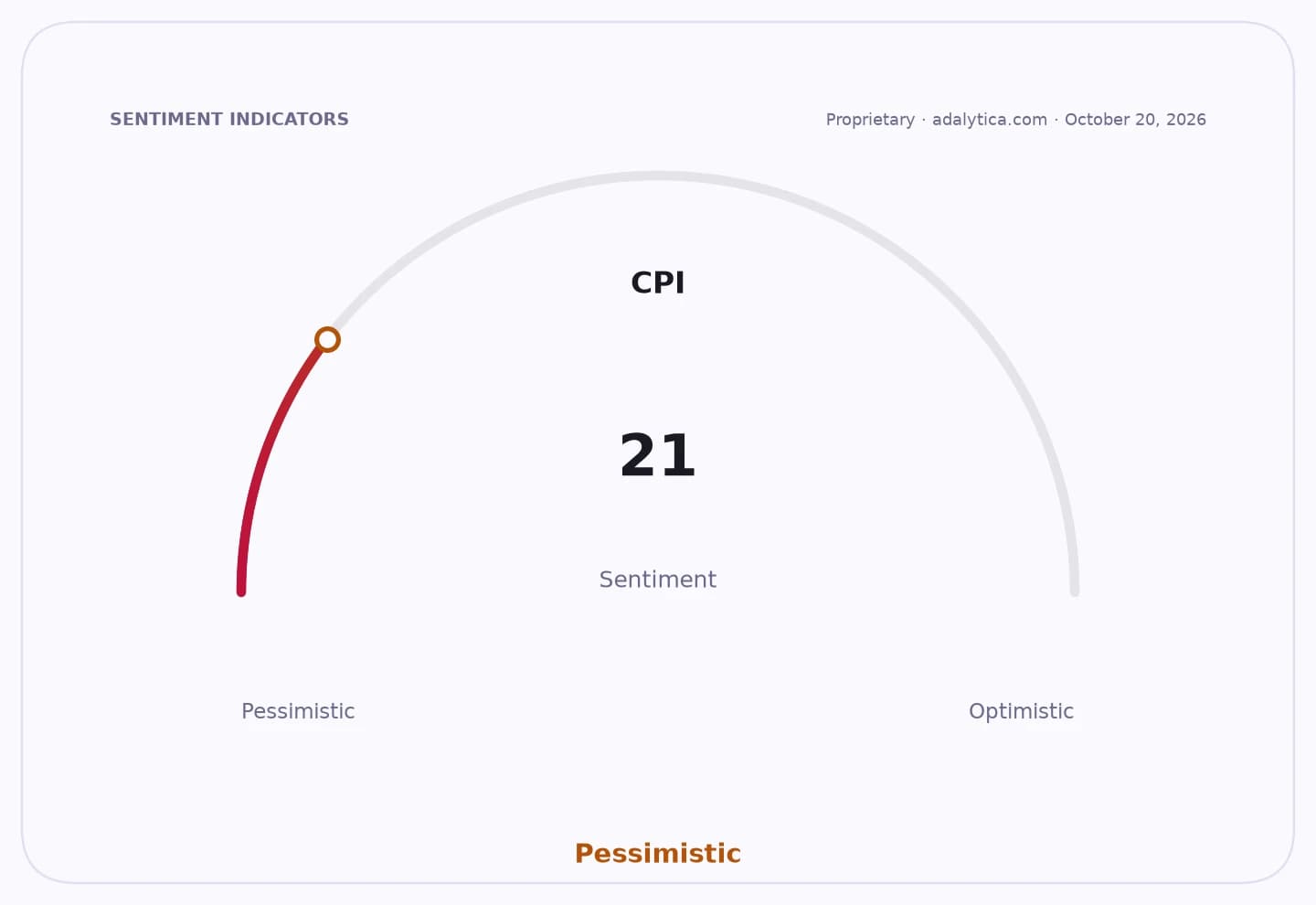
Sentiment IndicatorsⓘProprietary · adalytica.com · October 23, 2026
This is a snapshot — live sentiment, awareness and momentum for 130+ markets update continuously in the dashboard.Open AlphaPulse
The postponement also lands against a more fragile household spending backdrop. Italy’s energy regulator, Arera, said the value of the gas commodity for September rose 12.7% from August, while condominium administrators in Turin warned that winter heating bills could climb 25% to 40% over the season. For families and landlords, every day without central heating helps contain costs; for utilities and gas suppliers, it trims early-season volume.
Municipal officials kept the rules flexible, saying they may revise the heating window, daily operating hours or permitted temperatures if the weather changes. Under the current schedule, heating can run from Oct. 19 to April 15, 2027, for a maximum of 13 hours a day between 5 a.m. and 11 p.m., with indoor temperatures capped at 19C in homes and 18C in industrial and craft buildings.
The decision highlights how weather is still a material variable in European energy demand even as broader macro pressures dominate the outlook. A mild start to autumn can delay consumption, but it does not remove the cost shock from higher gas prices, which remains the bigger risk for households, property managers and energy-intensive businesses. For investors, that means the story is less about a one-off municipal postponement than about the likely shape of winter demand: lower short-term heating load, but persistent pricing pressure if colder weather arrives later in the season.
| Entity | Gains | Losses |
|---|---|---|
| Turin households | ▲Lower near-term heating bills | ▼Delayed warmth indoors |
| Gas suppliers/utilities | ▲None immediately | ▼Short-term demand loss |
| Property managers/condominiums | ▲Some cost relief | ▼Higher compliance complexity |
| Energy consumers broadly | ▲Deferred consumption spike | ▼Continued exposure to gas-price inflation |