Minnesota regulators are reminding households that winter utility protections are now in force just as colder weather lifts natural gas and power demand, a seasonal shift that can strain family budgets and support earnings for the state’s regulated utilities.
Minnesota cold weather rule and utility demand
The Minnesota Public Utilities Commission’s annual Cold Weather Rule gives residential customers extra protection against service shutoffs during the heating season, a policy designed to prevent abrupt disconnections when temperatures fall. Economically, that matters because winter is when utility bills typically rise fastest, especially for homes dependent on gas heat, and when any spike in arrears or shutoff risk can quickly become a social and regulatory issue.
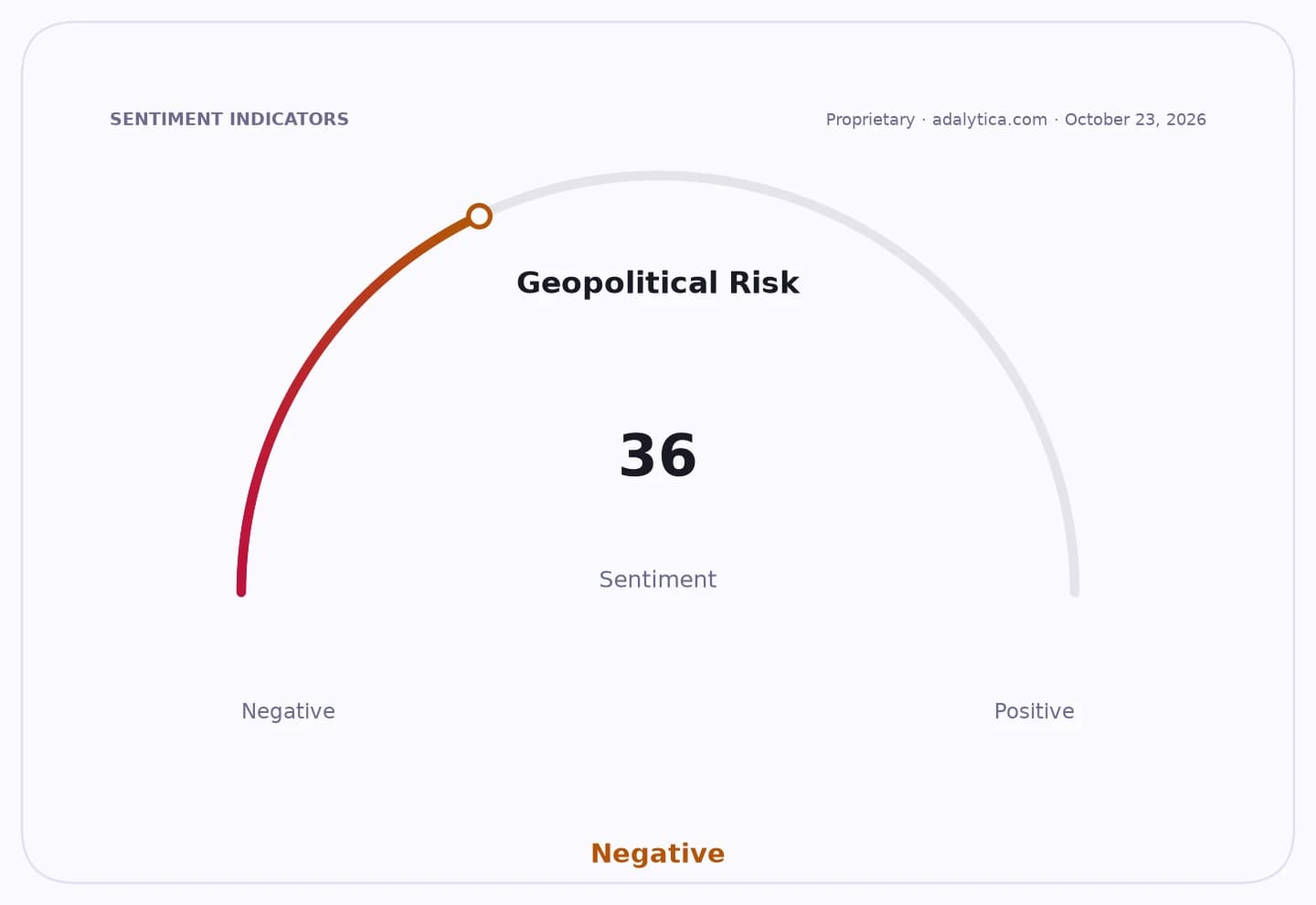
Sentiment IndicatorsⓘProprietary · adalytica.com · October 18, 2026
This is a snapshot — live sentiment, awareness and momentum for 130+ markets update continuously in the dashboard.Open AlphaPulse
For investors, the reminder underscores the trade-off facing regulated utilities: colder weather can improve volumetric sales and boost near-term demand, but it can also increase bad-debt expense, collections pressure and political scrutiny over affordability. Xcel Energy, which has a large Minnesota footprint, is directly exposed, while peers such as Atmos Energy and other gas-heavy utilities tend to benefit from stronger heating demand during the season.
The broader backdrop is a utility sector still navigating a high-cost environment. Adalytica’s market signals show investor attention remains elevated across inflation, Treasury bonds and the US dollar, reflecting a market that is still sensitive to rate expectations and household affordability. That matters for utilities because the sector’s valuation often tracks bond yields and defensive demand, while rising customer stress can complicate earnings quality and rate-case politics.
The seasonal setup also fits the usual utility playbook: colder weather can support winter throughput and help offset softer periods elsewhere in the year, but only if the weather is not mild enough to dampen demand and not harsh enough to trigger collection problems or emergency regulatory intervention. For Minnesota households, the Cold Weather Rule is a safety net; for investors, it is another reminder that winter utility revenue is never just about usage, but also about regulation, affordability and the health of the consumer balance sheet.
| Entity | Gains | Losses |
|---|---|---|
| Minnesota households | ▲shutoff protection | ▼limited flexibility on bills |
| Xcel Energy and peers | ▲higher winter demand | ▼collection and regulatory risk |
| Regulators | ▲fewer service crises | ▼pressure to balance affordability |
| Utility investors | ▲seasonal revenue support | ▼margin risk from unpaid bills |