Swedish families heading abroad for the autumn break are facing a noticeably more expensive trip this year, with the weaker krona and local inflation at popular destinations cutting purchasing power across all of the 12 places tracked by Länsförsäkringar.
Swedish Travelers Face Higher Costs Abroad

That matters because holiday travel is one of the most discretionary parts of consumer spending: when it gets pricier, households either trim trips, shorten stays or pull back on dining, shopping and excursions once they arrive. For travel companies, airlines and booking platforms, the shift can change not just demand, but also where and how Swedes choose to spend.
Sentiment Indicators

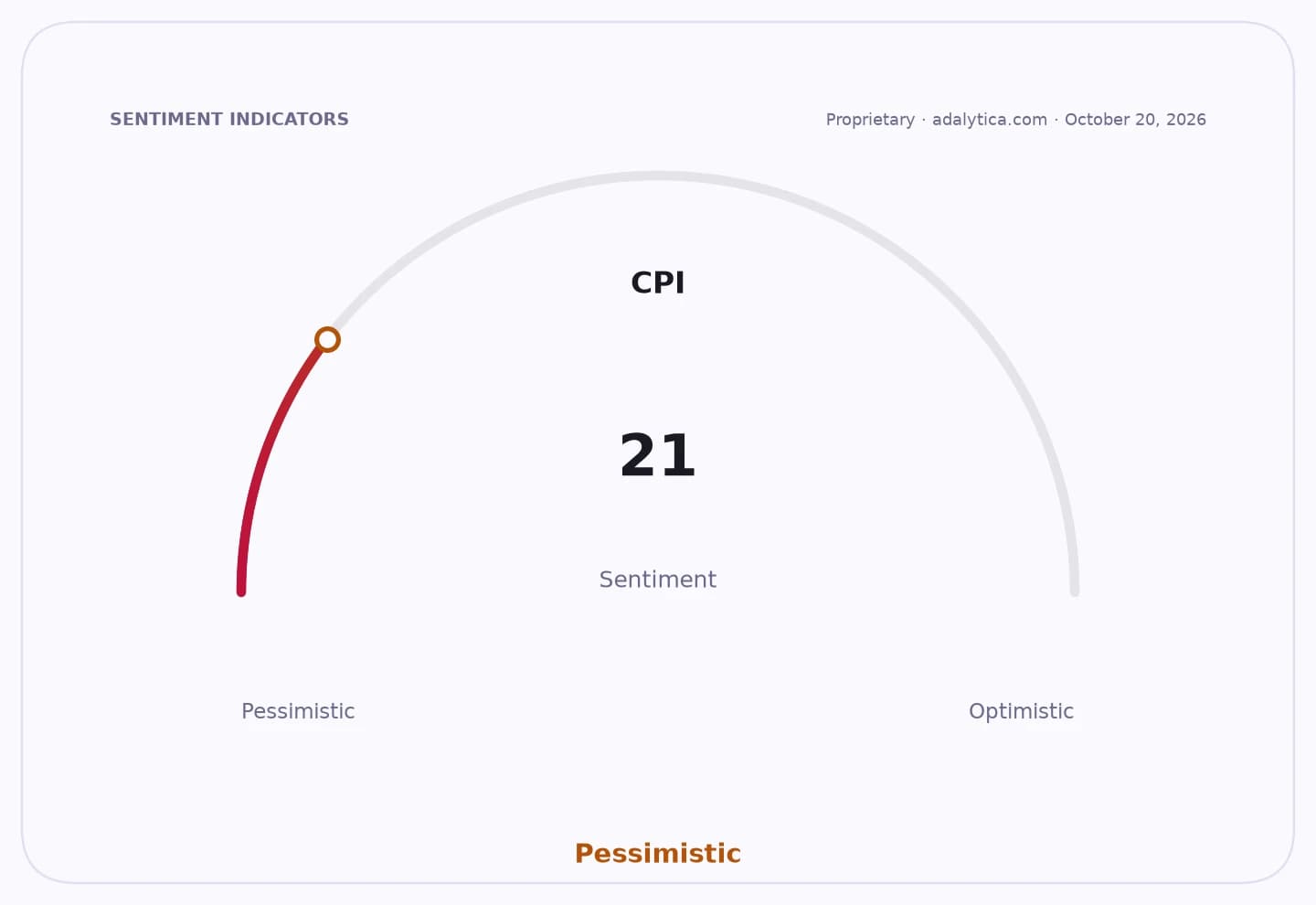
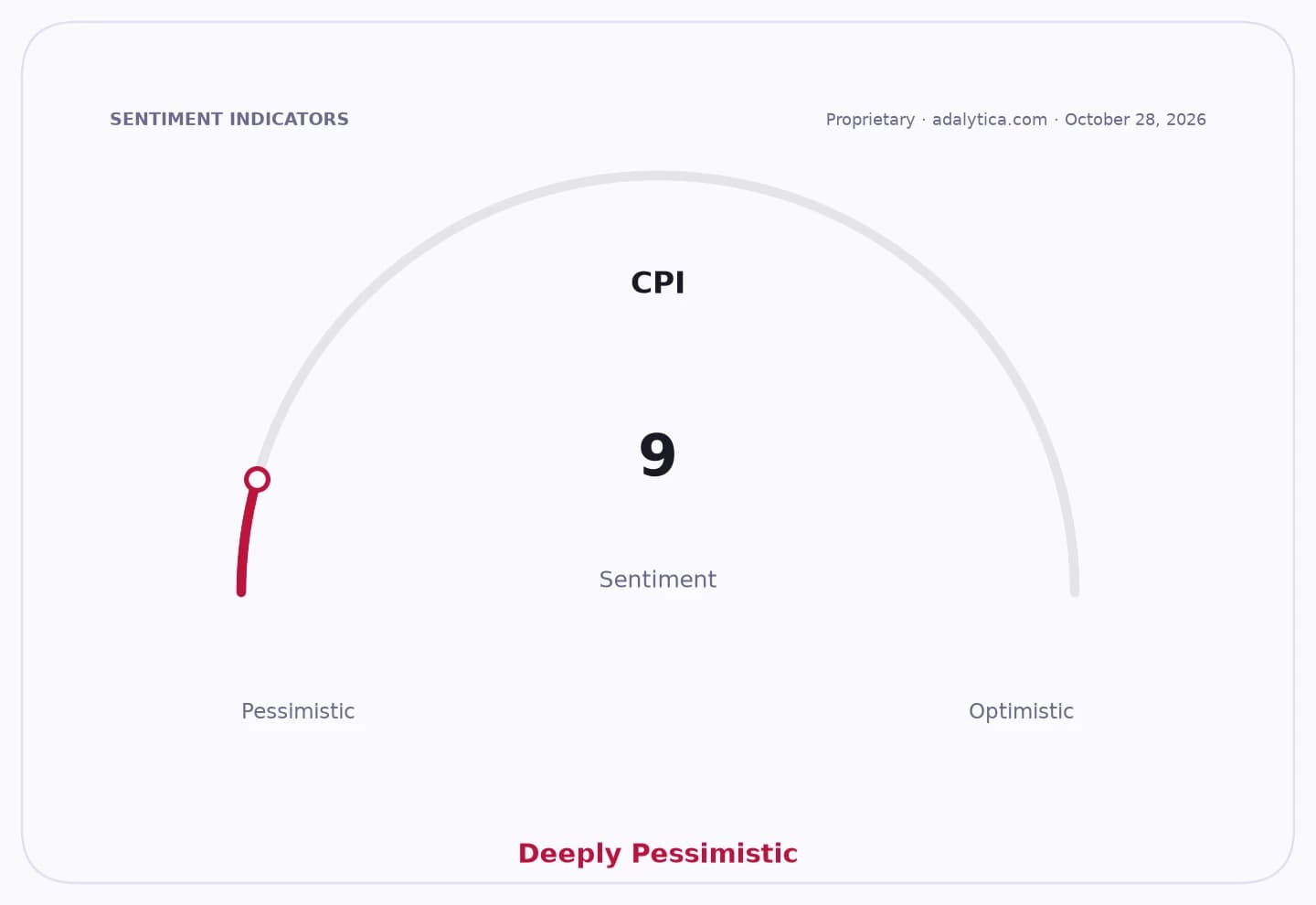
Länsförsäkringar’s comparison of 12 destinations often visited by Swedish travelers — including Spain, Greece, Italy, Turkey, the United States and Dubai — found that the Swedish purchasing power has fallen at every location versus a year earlier. Turkey showed the steepest decline, at 12.8%, underscoring how a mix of currency weakness and high local inflation is eroding value for outbound tourists.
Stefan Westerberg, a private economist at Länsförsäkringar, said the krona has been under pressure through the year, with lower Swedish rates than in the U.S. and euro area adding to the strain. He also pointed to a risk-off global backdrop that tends to punish smaller currencies. For travelers, the effect is immediate: each exchange-rate move translates directly into less spending power on the ground.
CPI
The economics are straightforward. A weaker krona raises the effective cost of foreign travel even before local prices are considered. In markets such as Turkey, where inflation is running near 30%, the hit is compounded by price increases at hotels, restaurants and transport providers. That means Swedish households need a larger travel budget just to maintain last year’s standard of trip.
For investors, the story is less about one autumn holiday than about the sensitivity of consumer spending to exchange rates and inflation. A squeeze on discretionary travel budgets can weigh on demand for airlines, online travel agencies and other leisure-linked businesses, while benefiting domestic alternatives such as local tourism, rail and budget-focused offerings. It also highlights how currency moves can matter as much as headline fare prices in shaping travel flows.
The latest trading pattern in travel-linked U.S. equities reflects that uncertainty: airline shares have been volatile, with American Airlines still trading below both its 50-day and 200-day moving averages, while the JETS airline ETF has also lost momentum after a summer rally. That suggests the market is still questioning how far consumers can absorb higher trip costs if foreign exchange and inflation remain unfavorable.
The broader implication is that the travel industry may be moving into a more price-sensitive phase heading into the holiday season. If the krona stays weak and destination inflation remains elevated, Swedish travelers may keep traveling — but with tighter budgets, lower on-trip spending and a sharper eye on value. For holidaymakers, that is the “cold shower” Westerberg described. For travel businesses, it is a warning that demand is not only about where people want to go, but what their money can still buy when they get there.
| Entity | Gains | Losses |
|---|---|---|
| Swedish domestic travel providers | ▲Capture value-conscious demand | ▼Lose outbound spend |
| Foreign holiday destinations | ▲Benefit from tourist volumes | ▼Suffer lower on-trip spending |
| Swedish travelers | ▲— | ▼Face weaker purchasing power |
| Airlines and online travel firms | ▲Bookings may hold up if trips proceed | ▼Margin pressure from price-sensitive demand |