Montreal’s new title as the safest city for tourists in 2027 gives Canada’s second-largest city a marketing edge that could support visitor spending, hotel demand and tourism investment, even as the ranking itself warns that congestion remains a practical drag on the travel experience.
Montreal Named Safest City for Tourists in 2027
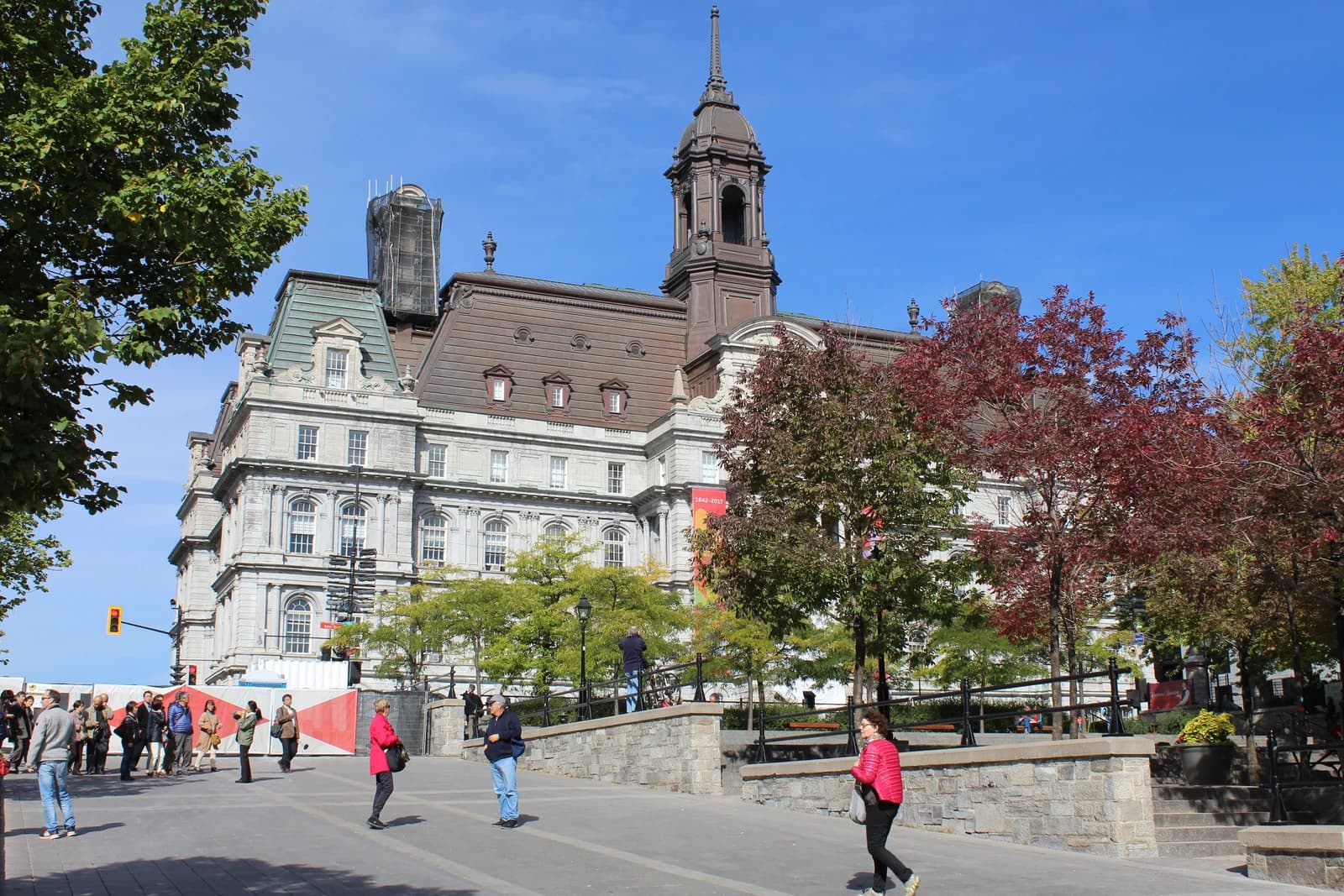
Berkshire Hathaway Travel Protection put Montreal first with a score of 82.18, up sharply from 16th place in the prior edition, ahead of Zurich at 81.03 and Amsterdam at 80.81. The shift matters because safety remains one of the biggest determinants of destination choice, particularly for higher-spending leisure travelers and families who can divert trips toward cities perceived as lower-risk. In a tourism market still shaped by cost pressure and selective demand, a top ranking can be a meaningful differentiator.
The report is based on a survey of more than 1,500 respondents and cross-checked against safety measures from Numbeo, The Economist and GeoSure Global. It reflects conditions as of August 2026, underscoring that the ranking is a snapshot rather than a live assessment. Even so, the result reinforces Montreal’s positioning as a relatively stable urban destination at a time when travelers are increasingly sensitive to personal security, transit reliability and destination reputation.
For Montreal, the economics are straightforward. A stronger safety perception can translate into longer stays, more willingness to spend in the city center and better conversion for event tourism, conventions and weekend travel. That could benefit airlines, hotels, restaurants and attraction operators tied to the city’s inbound flow. The timing is also notable: Tourisme Montréal has recently moved to form a new alliance aimed at attracting fresh investment to the sector, suggesting local officials are trying to turn the city’s brand strength into more durable tourism capital.
The caveat is that safety is not the same as convenience. Berkshire Hathaway Travel Protection specifically flagged traffic and bridge crossings as a headache, noting that roadworks can complicate getting around Montreal. For investors and tourism operators, that is an important distinction: a strong reputation can bring travelers in, but infrastructure friction can limit how much of that demand is converted into spending and repeat visits. The ranking may therefore help Montreal at the margin, but it does not eliminate the need for transport and city-access improvements.
Europe remained dominant in the top tier, with nine cities in the top 15, including Zurich, Amsterdam, Reykjavik, Oslo, Venice, Dublin, Copenhagen, Barcelona and Paris. That concentration suggests that established urban tourism hubs continue to compete on perceived stability as much as on attractions. Montreal’s rise into that group could widen its appeal in the North American market, especially if the city and provincial authorities can pair the reputational boost with targeted investment and smoother mobility.
The key question for investors is whether this becomes a one-off accolade or part of a broader tourism upswing. If the alliance and public-sector promotion efforts translate into higher arrivals and better yields, the ranking could support earnings across travel-related businesses with Canadian exposure. If congestion and infrastructure issues persist, Montreal may keep the headline, but not the full economic benefit.
| Entity | Gains | Losses |
|---|---|---|
| Montreal tourism sector | ▲Stronger destination appeal | ▼Pressure to fix congestion |
| Hotels, restaurants, attractions | ▲Higher visitor demand | ▼Costs if access stays difficult |
| Competing cities | ▲— | ▼Relative ranking and visibility |
| Travelers | ▲Perceived safer trips | ▼More time lost to traffic |