Foreign governments are stepping up warnings on South Africa just as the country tries to keep its tourism recovery intact, a signal that security concerns are becoming a harder economic drag on one of the continent’s most important travel markets.
South Africa Travel Warnings Pressure Tourism Recovery
Geopolitical Risk
The United States, United Kingdom, Australia and Canada have all told citizens to exercise high caution, citing violent crime, kidnappings, road spiking, looting and the risk of unrest turning violent. For South Africa, the warnings matter because tourism is one of the clearest channels through which perception turns into cash flow: fewer arrivals, shorter stays, lower discretionary spending and weaker demand for hotels, tours, restaurants and transport.
Sentiment Indicators
Geopolitical Risk
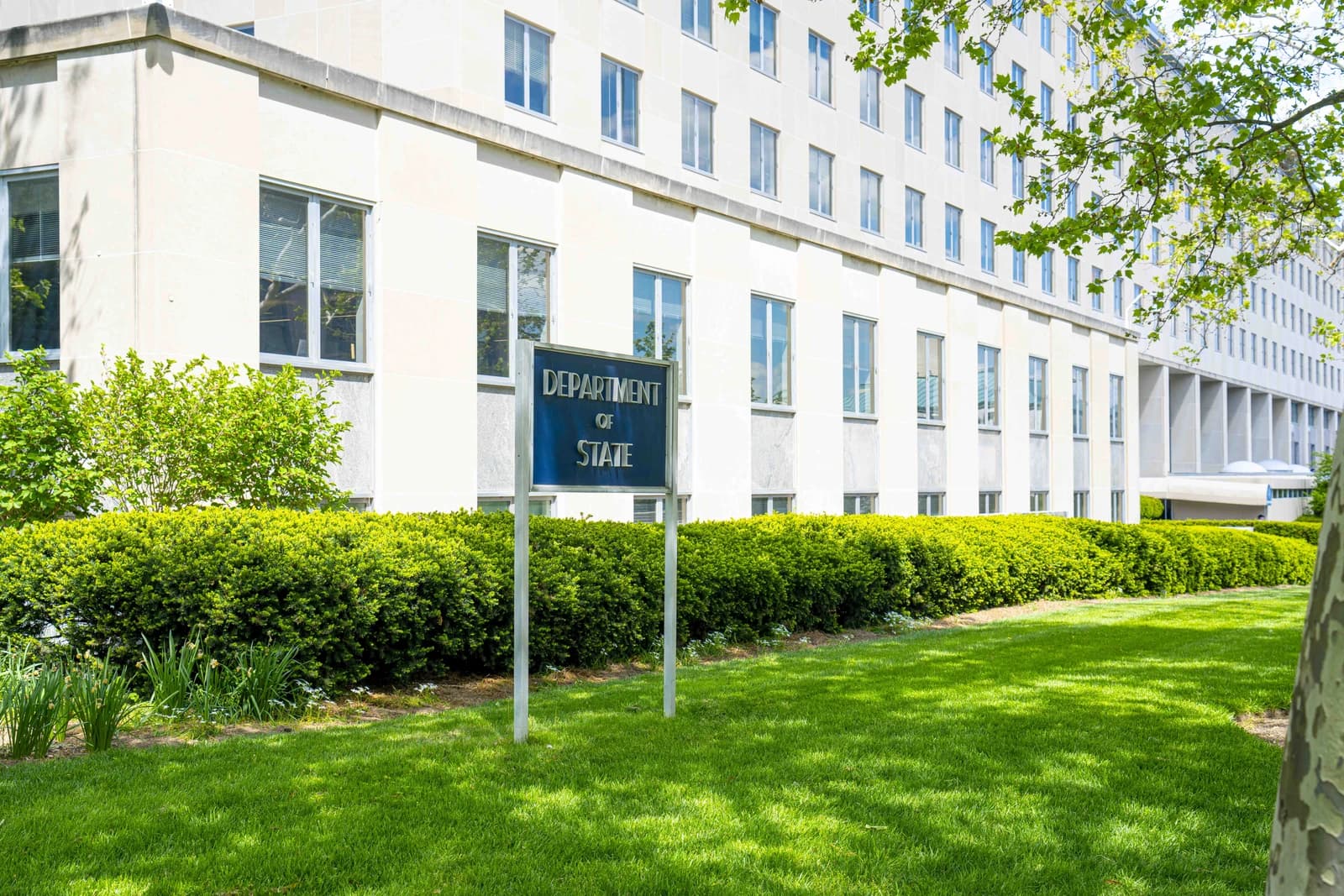
Washington recently issued a security alert after reports of looting and violence in Durban’s central business district, saying personnel should “exercise extreme caution” and divert travel as needed. Ottawa warned Canadians that even peaceful demonstrations can turn violent and advised them to avoid city centers after dark. Canberra has highlighted murder, rape, carjackings and smash-and-grab thefts, while London has warned of armed attacks, hijackings and the possibility of terrorist incidents. The common thread is not one isolated event but a broad deterioration in traveler confidence.
That is economically important because South Africa relies heavily on international visitors to support jobs in hospitality, retail and services, and the country already faces a weak growth backdrop. Travel advisories from four major English-speaking economies can influence booking behavior well beyond their direct citizen base, especially among high-value long-haul travelers who are most sensitive to security headlines and insurance risk. Even where visitor numbers keep growing, the mix can shift toward cheaper, shorter trips that generate less revenue per traveler.
The market implication is straightforward: South African tourism and consumer-facing assets face a confidence discount until authorities restore a sense of control. Hotels, airlines and travel intermediaries with exposure to the country could see softer inbound demand, while safer regional destinations may absorb some of the displaced spending. The warnings also deepen the premium on security spending, crisis management and reliable infrastructure, all of which raise the cost of doing business.
Investors should see this as more than a reputational issue. Security risk is a tax on growth, and when four allied governments simultaneously tell citizens to be careful, the message to markets is that the country’s tourism rebound is vulnerable to headline shocks. The bigger trade is not simply to avoid South Africa exposure, but to look for alternative beneficiaries in destination markets, travel platforms and security-related infrastructure across the region.
The key question now is whether South African authorities can arrest the deterioration quickly enough to prevent advisories from becoming a lasting booking headwind. If they cannot, the pain will show up first in tourism-linked cash flows and then in broader sentiment toward the country’s consumer economy.
| Entity | Gains | Losses |
|---|---|---|
| Safer rival destinations | ▲Attract diverted travelers | ▼— |
| South African hotels and tour operators | ▲— | ▼Lower bookings and spending |
| Travel insurers and security providers | ▲Higher demand for coverage and protection | ▼Reputational fallout from the risk surge |
| South African economy | ▲— | ▼Tourism revenue, jobs, investor confidence |