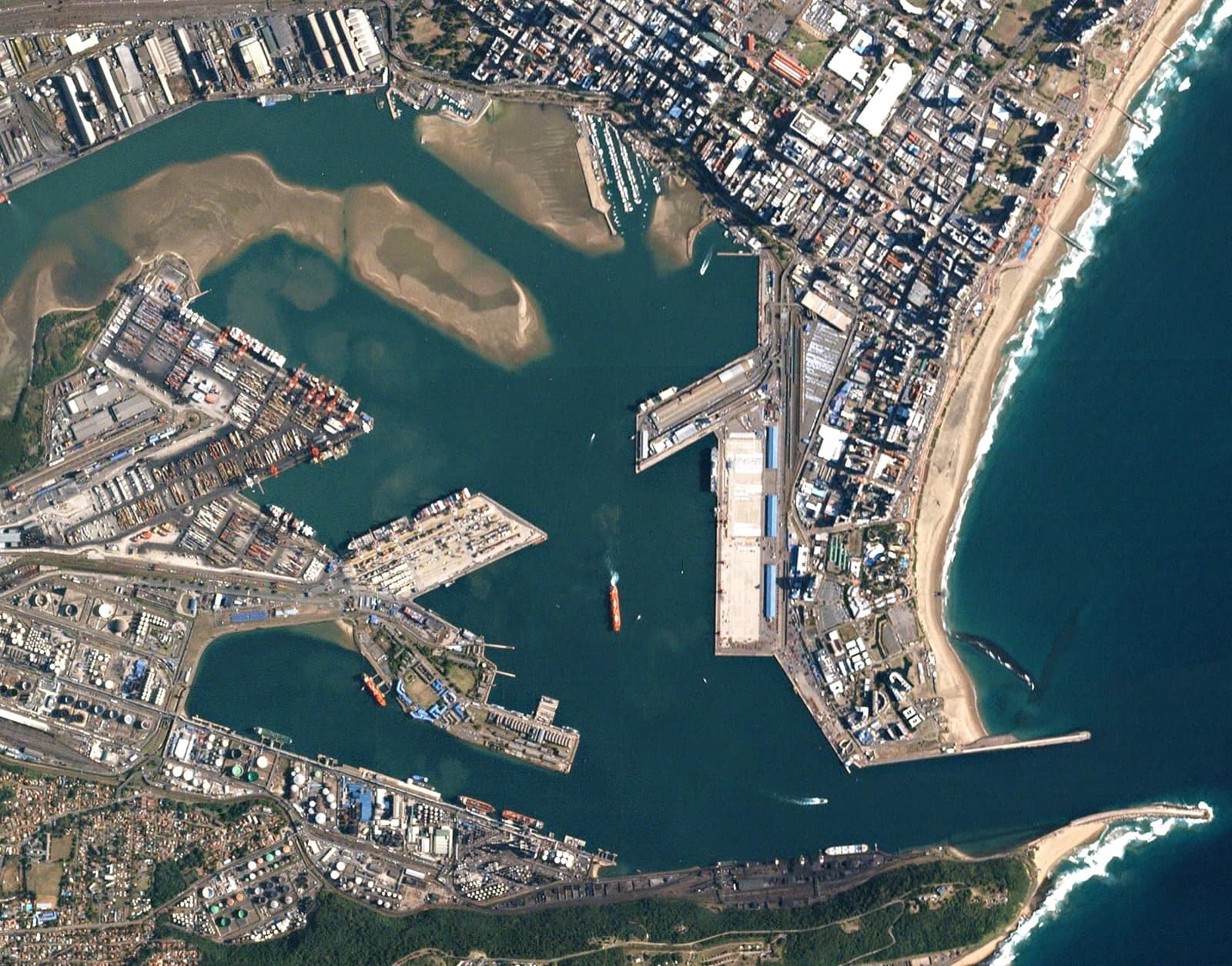
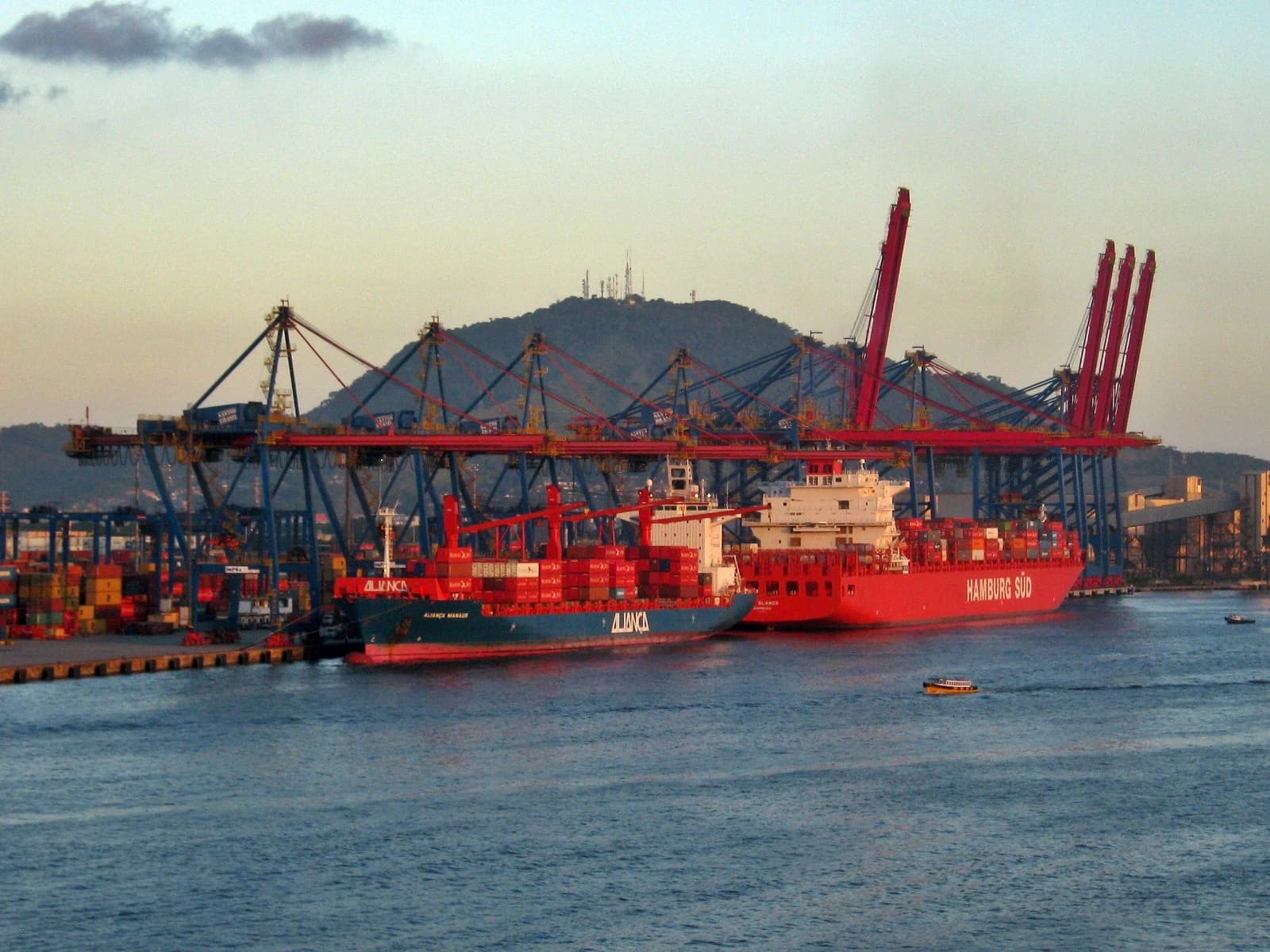
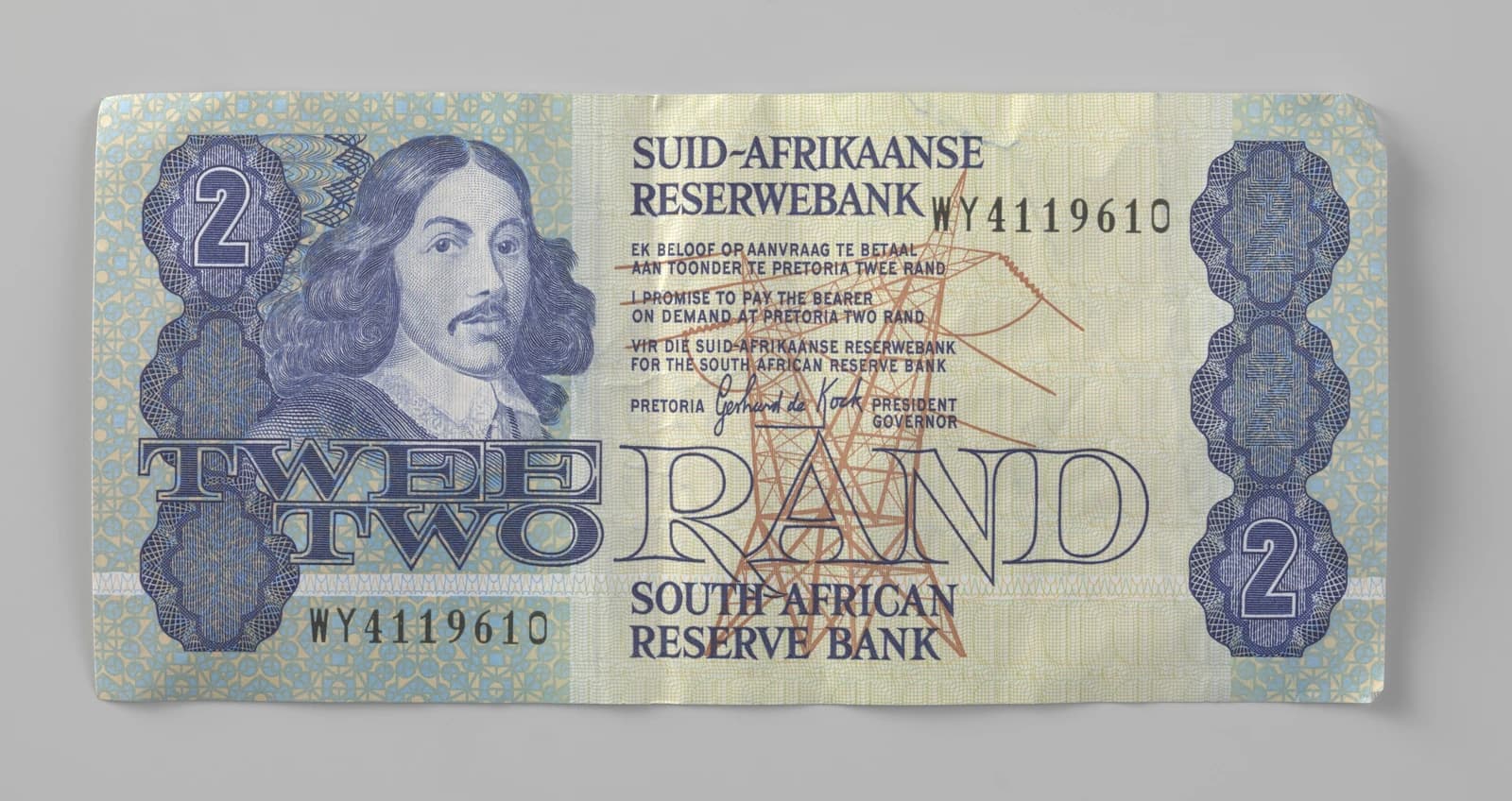
The United States is set to remove South Africa from the African Growth and Opportunity Act, a move that would end duty-free access for one of the country’s most important export channels to the US and deepen pressure on a relationship already strained by tariffs, corruption claims and wider geopolitical friction.
South Africa Faces Loss of AGOA Duty-Free Access

The Office of the US Trade Representative said on Monday President Donald Trump intends to terminate South Africa’s eligibility from Jan. 1, 2027, after an annual review found “practices” inconsistent with AGOA’s criteria. Rwanda was also named for removal, but South Africa is the bigger prize: it has been the largest beneficiary of the program over the last 25 years, accounting for 54% of AGOA-related exports to the US.
Sentiment Indicators

For South Africa, the immediate economic hit may be smaller than the political symbolism suggests, but the move still raises costs for exporters and reinforces the view that Washington is willing to weaponize trade preferences in a broader standoff. Presidential Envoy on Agriculture and Land Wandile Sihlobo said the loss of AGOA would add a 3.4% tariff to the 12.5% duties the US already levies on South Africa, leaving a combined burden of 15.9%.
That is well below the 30% tariff the country faced under the 2025 “liberation day” measures, but it still matters for sectors that depend on the US market and operate on thin margins. South African agriculture sends about 4% of its exports to the US, mainly citrus, berries, grapes, raisins, wine, fruit juices, apples, pears, apricots and nuts, making any erosion of preferential access a direct concern for producers, shippers and rural employment.
Geopolitical Risk
The government is trying to soften the blow by signaling it has a “Plan B.” Trade minister Park Tau said Pretoria is ready for the outcome, has 60 days to address US concerns before any suspension could take effect, and will keep pushing for a trade deal beyond AGOA while broadening sales to the African Continental Free Trade Area, India, the EU, Britain, ASEAN, Mercosur and China.
Markets have already priced in some of the risk. The iShares MSCI South Africa ETF, ticker EZA, has fallen back to $66.63 from a recent high above $108, with its 50-day moving average at $66.22 and the 200-day average at $67.61, suggesting investors are watching whether the policy shock can be absorbed or whether it will trigger another leg lower in South African assets.
The broader takeaway is that South Africa’s export model is being pushed toward diversification at the same time as US trade policy turns less predictable. For investors, the issue is less an outright trade ban than a reminder that preferential access can disappear, forcing exporters, commodity-linked equities and the rand to price in a higher risk premium ahead of the next phase of US-South Africa negotiations.
| Entity | Gains | Losses |
|---|---|---|
| US exporters | ▲Less preferential competition | ▼Higher friction in trade ties |
| South African farmers | ▲Some time to adapt | ▼Higher duties, weaker access |
| South African government | ▲Push for new trade deals | ▼Loss of AGOA leverage |
| Global investors in EZA | ▲Potential policy bargain entry | ▼Further downside if trade worsens |