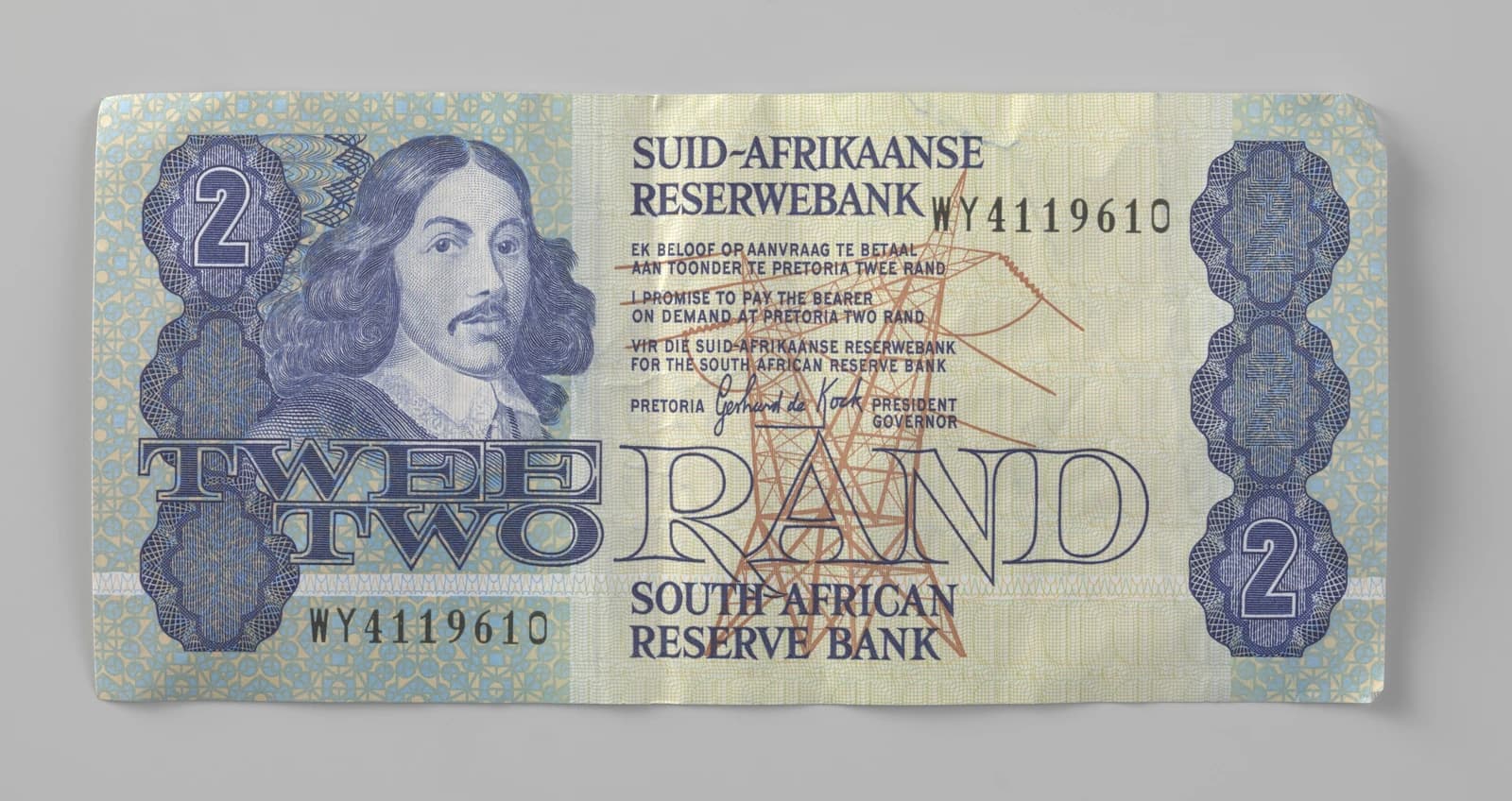
The United States will remove South Africa and Rwanda from the African Growth and Opportunity Act, threatening duty-free access to the American market for two economies already under political pressure and forcing exporters to absorb new tariff costs from Jan. 1.
South Africa, Rwanda lose AGOA duty-free access
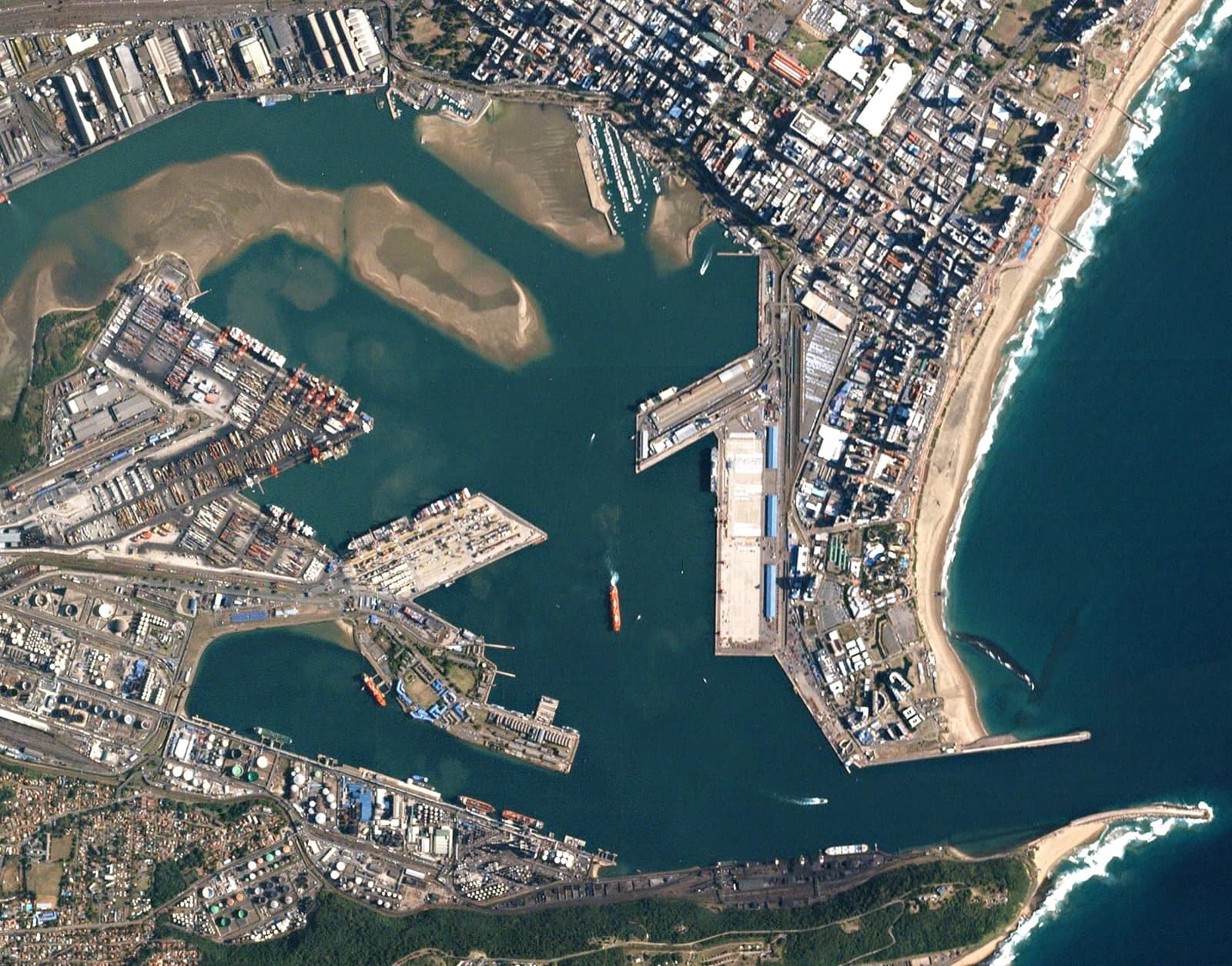
The move is economically significant because AGOA has been one of Washington’s most important trade tools in sub-Saharan Africa, giving eligible countries preferential access to the U.S. market. Losing that status raises costs for South African and Rwandan exporters, trims competitiveness against rivals still inside the program, and could hit investment sentiment well before the exclusions take effect.
Sentiment Indicators
U.S. Trade Representative Jamieson Greer said the countries’ practices were “incompatible” with AGOA eligibility, citing barriers that hurt U.S. trade and investment and, in the case of Rwanda, issues tied to national security and foreign policy interests in the region. Washington last week sanctioned Rwanda’s defense ministry over alleged links to the M23 rebel group in neighboring Democratic Republic of Congo, allegations Kigali denies.
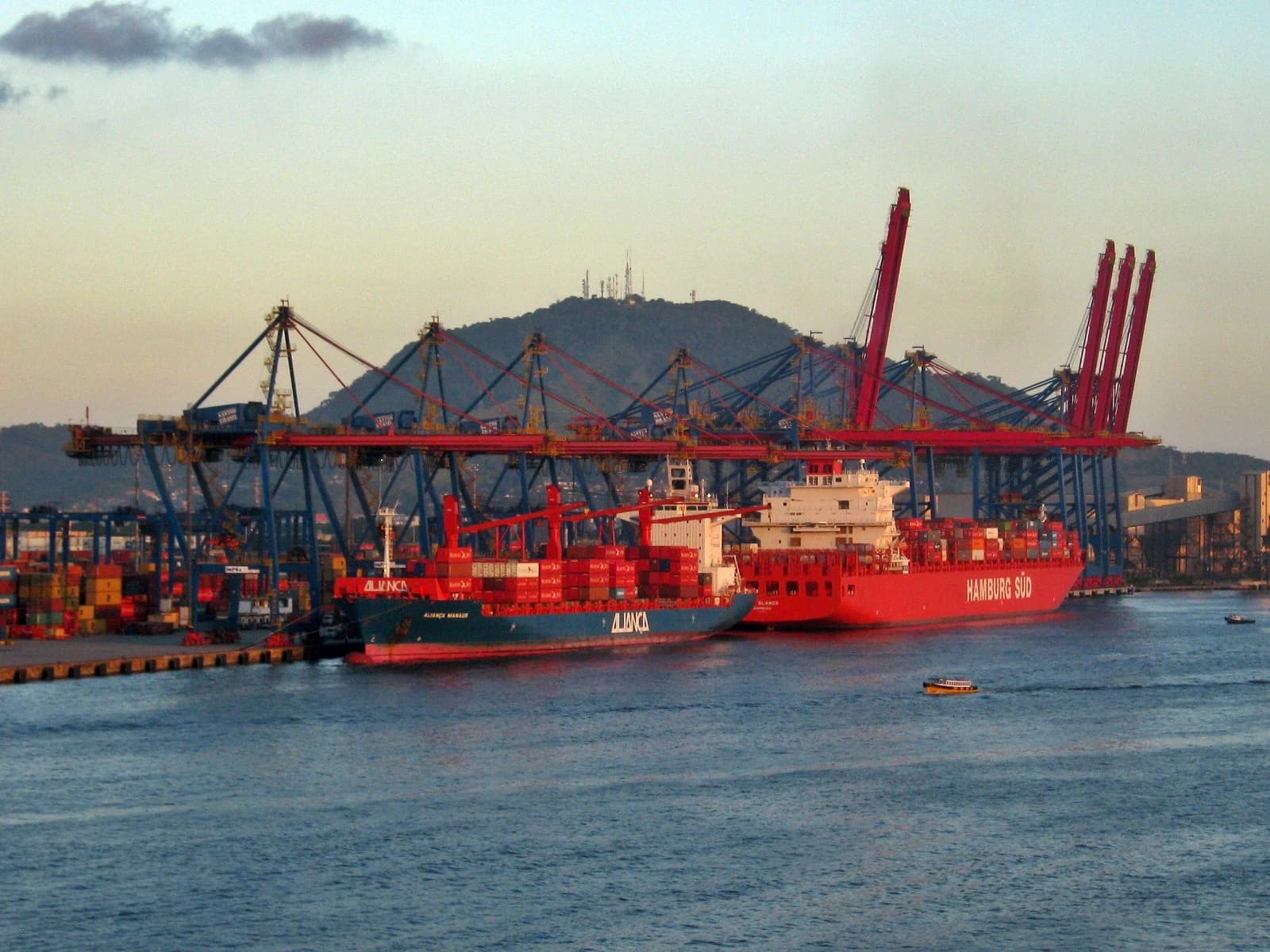
South Africa is the largest beneficiary of AGOA, making the decision especially painful for a country already wrestling with weak growth and external demand. The program, renewed through the end of 2028 but reviewed annually, has long supported South African shipments to the U.S. in autos, agriculture and manufactured goods.
Markets were already signaling stress in South Africa’s external story. The iShares MSCI South Africa ETF, EZA, had dropped to $62.90 on Nov. 3 from $71.33 on Aug. 24, while the broader South Africa proxy has swung sharply as investors reassess trade and policy risk. The ETF’s 50-day moving average stood at $66.46, above the latest close, and its RSI reading of 48.3 suggested muted momentum rather than a clear rebound.
The Rwanda decision adds another layer of geopolitical friction, showing the Trump administration is willing to use trade access as leverage alongside sanctions and diplomatic pressure. For investors, the key question is whether the exclusions remain limited to these two countries or become a template for broader changes to U.S.-Africa trade relations.
South African exporters, Rwandan producers and companies with U.S. exposure are the immediate losers, while domestic U.S. rivals and non-AGOA suppliers stand to gain a relative price advantage if the tariff gap widens next year.
| Entity | Gains | Losses |
|---|---|---|
| U.S. domestic competitors | ▲Less duty-free import competition | ▼None significant |
| South African exporters | ▲None | ▼Tariff-free access to U.S. market |
| Rwandan exporters | ▲None | ▼Preferential AGOA access |
| Other AGOA beneficiaries | ▲Relative edge | ▼Potential policy uncertainty |