China is trying to reshape the way Africa’s minerals are developed, and that matters because the next wave of value will be created less by digging ore out of the ground than by who controls the refining, financing and industrial upgrade that follow.
China Africa mining push focuses on local processing
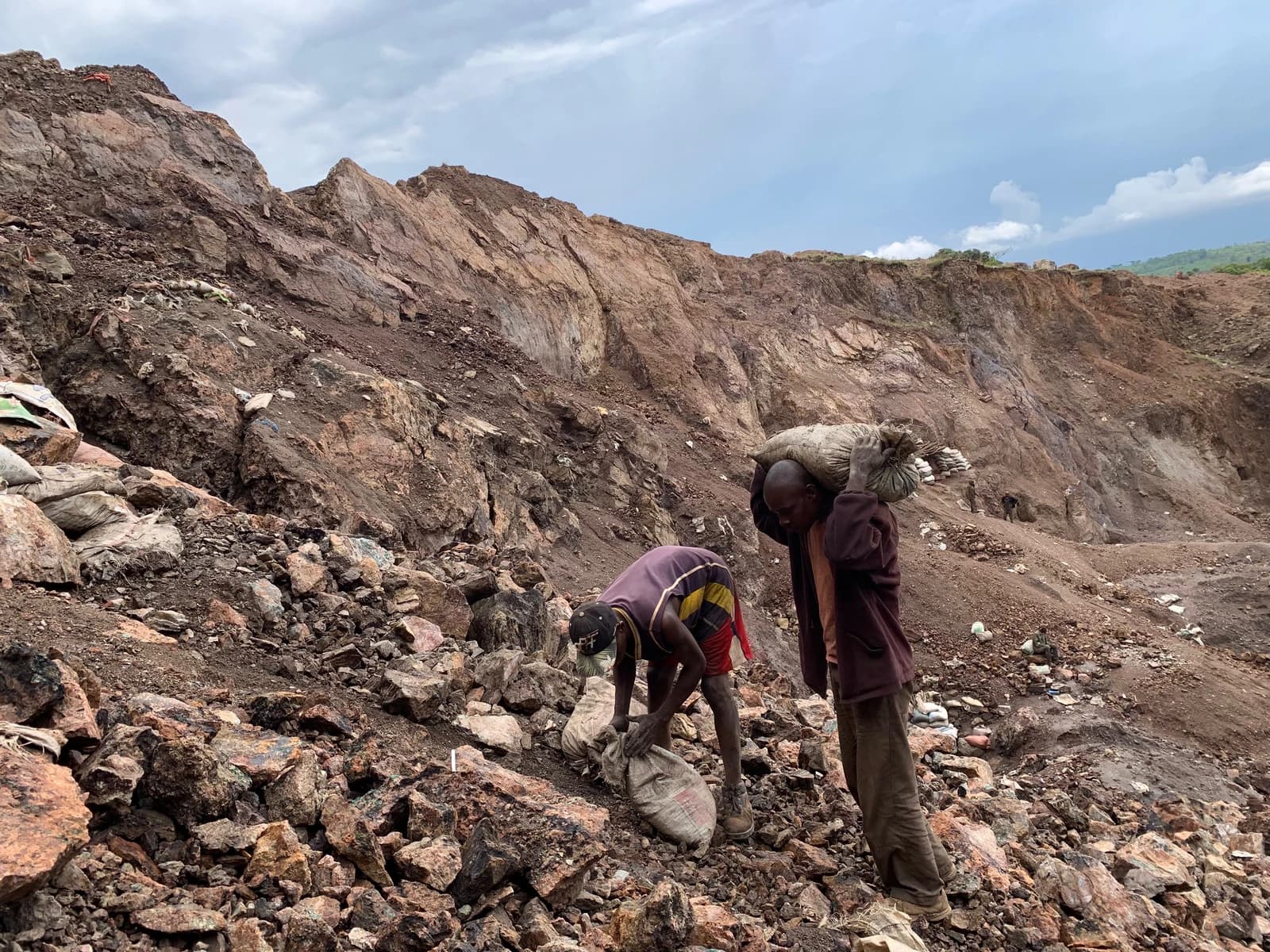
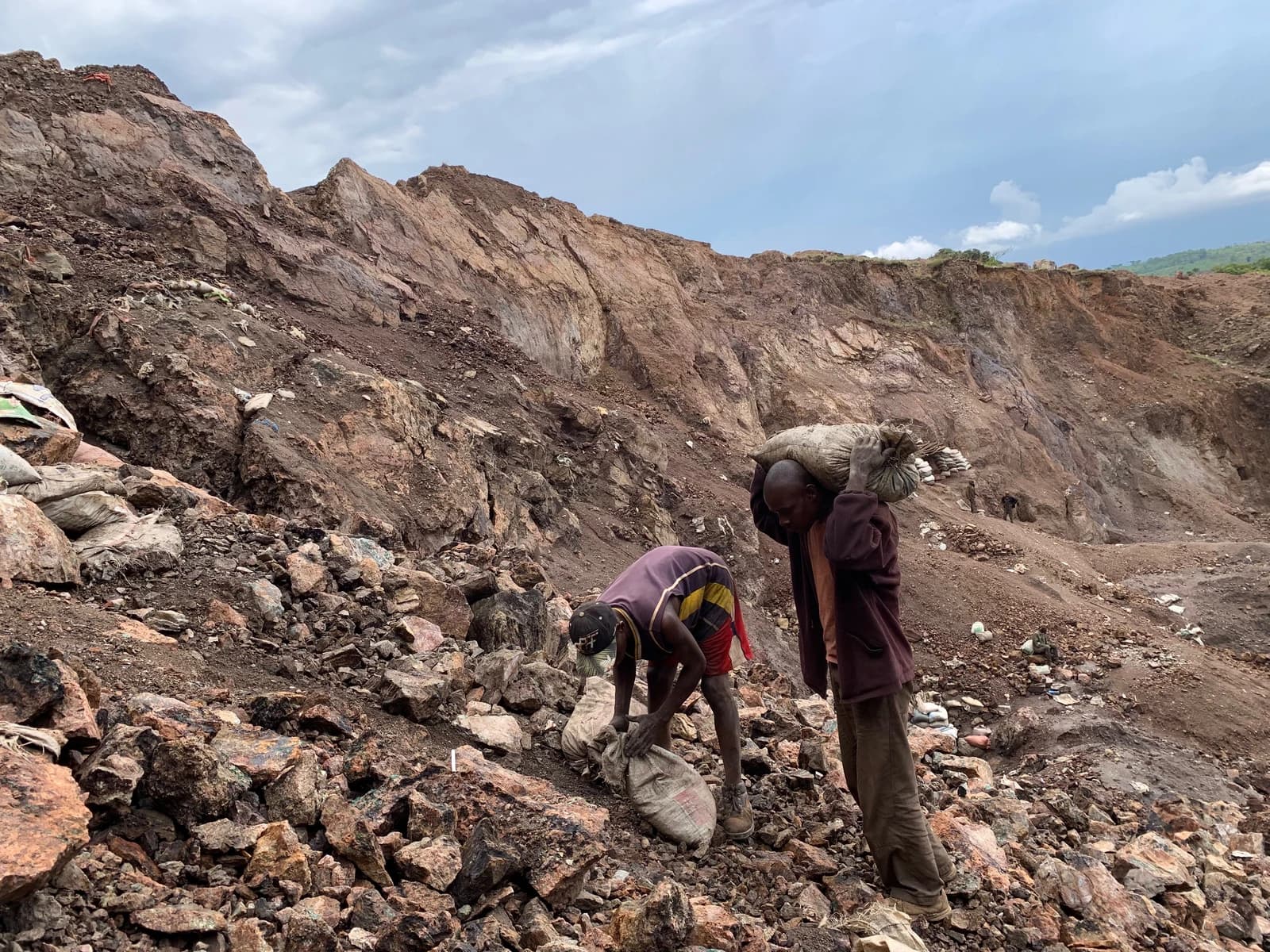
At the heart of the latest message from President Xi Jinping is a simple but economically important idea: African resources should stay in Africa’s control, and mining should deliver jobs, local processing and technology transfer instead of just shipping raw materials overseas. For investors, that is a reminder that the race for copper, graphite, nickel, gold and uranium is no longer just about deposits — it is about the rules attached to them.
Sentiment Indicators
Xi’s four-point proposal, delivered during talks with Botswana President Duma Gideon Boko, pushes China-Africa mining cooperation toward industrial value addition, “affordable and sustainable” financing and a fairer investment environment. That is the kind of language African governments have been demanding for years, and it lands at a moment when critical minerals have become central to the global energy transition, electric vehicles and artificial intelligence infrastructure.
The timing is telling. Western governments are leaning harder into supply-chain security, while projects such as the U.S.-backed Lobito Corridor are designed to move Central African minerals more efficiently to world markets. Supporters see opportunity. Critics see a new version of an old extraction model. Xi’s pitch is meant to offer African states an alternative: leverage their mineral endowments for domestic industrialisation rather than remain stuck as exporters of unfinished materials.
That matters economically because the biggest gains in mining rarely come from the mine alone. They come from smelting, refining, logistics, engineering, power supply and the local supplier networks that grow around them. If African countries can extract better terms, insist on downstream processing and build stronger institutions, they can capture more of the value chain and reduce dependence on volatile commodity export receipts.
For investors, the implications are broader than geopolitics. Mining companies that can secure long-life assets, stable contracts and credible local partnerships should be better placed than those relying on simple concession models. Countries that move toward transparent rules and predictable regulation may attract more capital, especially as the world hunts for copper and other metals needed for electrification and data-center buildout. BHP has already said demand for copper should stay strong for years, supported by industrialisation, urbanisation and AI-related infrastructure.
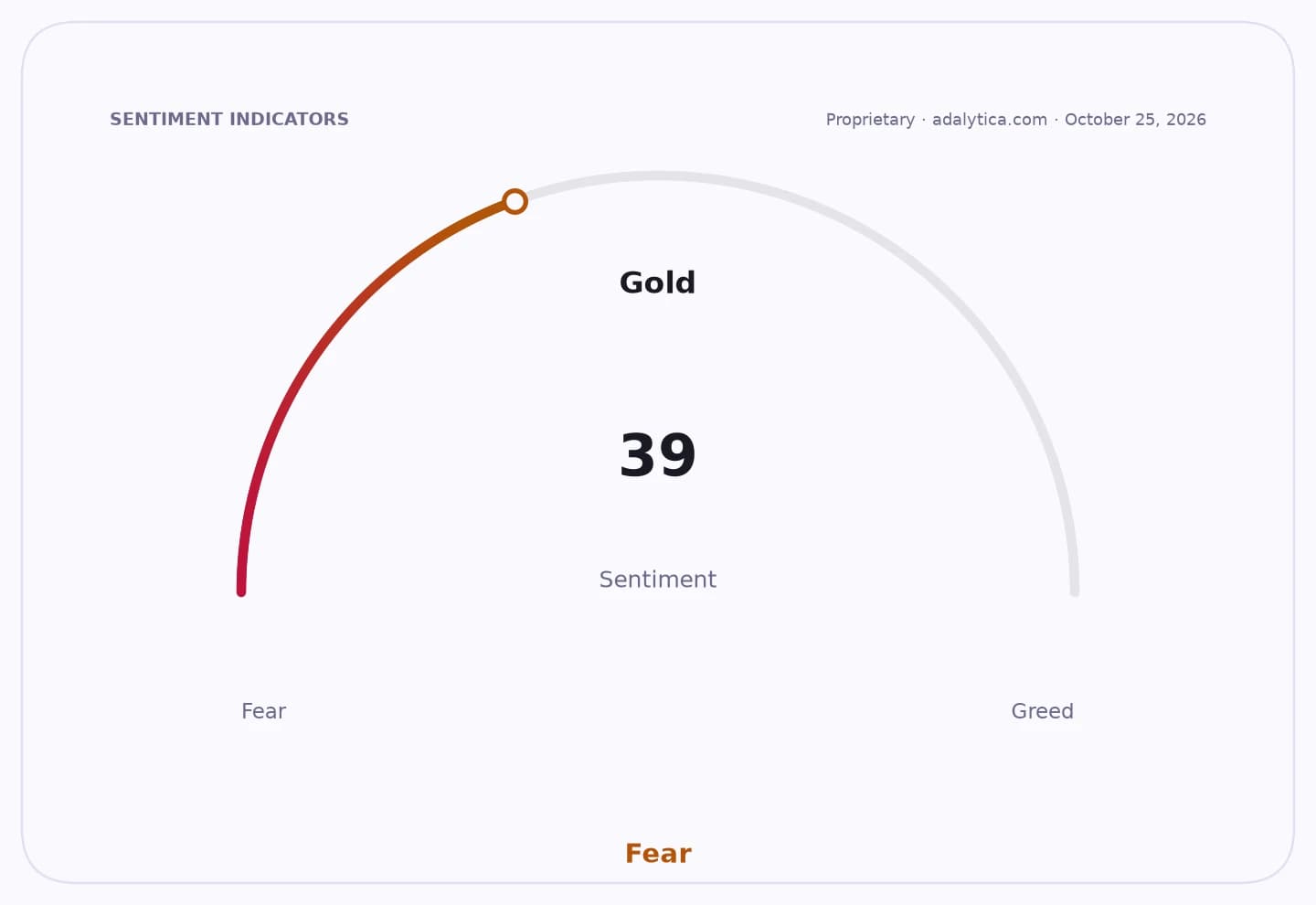
The market backdrop reinforces that theme. Gold and silver remain sensitive not only to mine supply but also to monetary conditions and safe-haven flows, while copper demand is being pulled by renewable energy networks, wiring and electrification. Even so, the path from rhetoric to returns will depend on execution. African governments still have to enforce contracts, police environmental standards, improve security and ensure that mineral wealth is shared more broadly than it has been in the past.
That is where the real long-term story sits. If Xi’s framework encourages African leaders to bargain harder for local processing, domestic jobs and technology transfer, it could change how the continent’s resource story is told — and who ultimately profits from it. For investors with a multi-year horizon, the right takeaway is not to chase headlines, but to watch for countries and companies that can turn mineral wealth into durable industrial capacity.
| Entity | Gains | Losses |
|---|---|---|
| African governments | ▲Better bargaining power | ▼Easy raw-ore dependence |
| Chinese miners and lenders | ▲Deal flow and access | ▼Lower-margin export-only model |
| Western backers of corridor projects | ▲Clearer competition | ▼Monopoly over supply chains |
| Local workers and suppliers | ▲Jobs and processing | ▼Exclusion from value added |