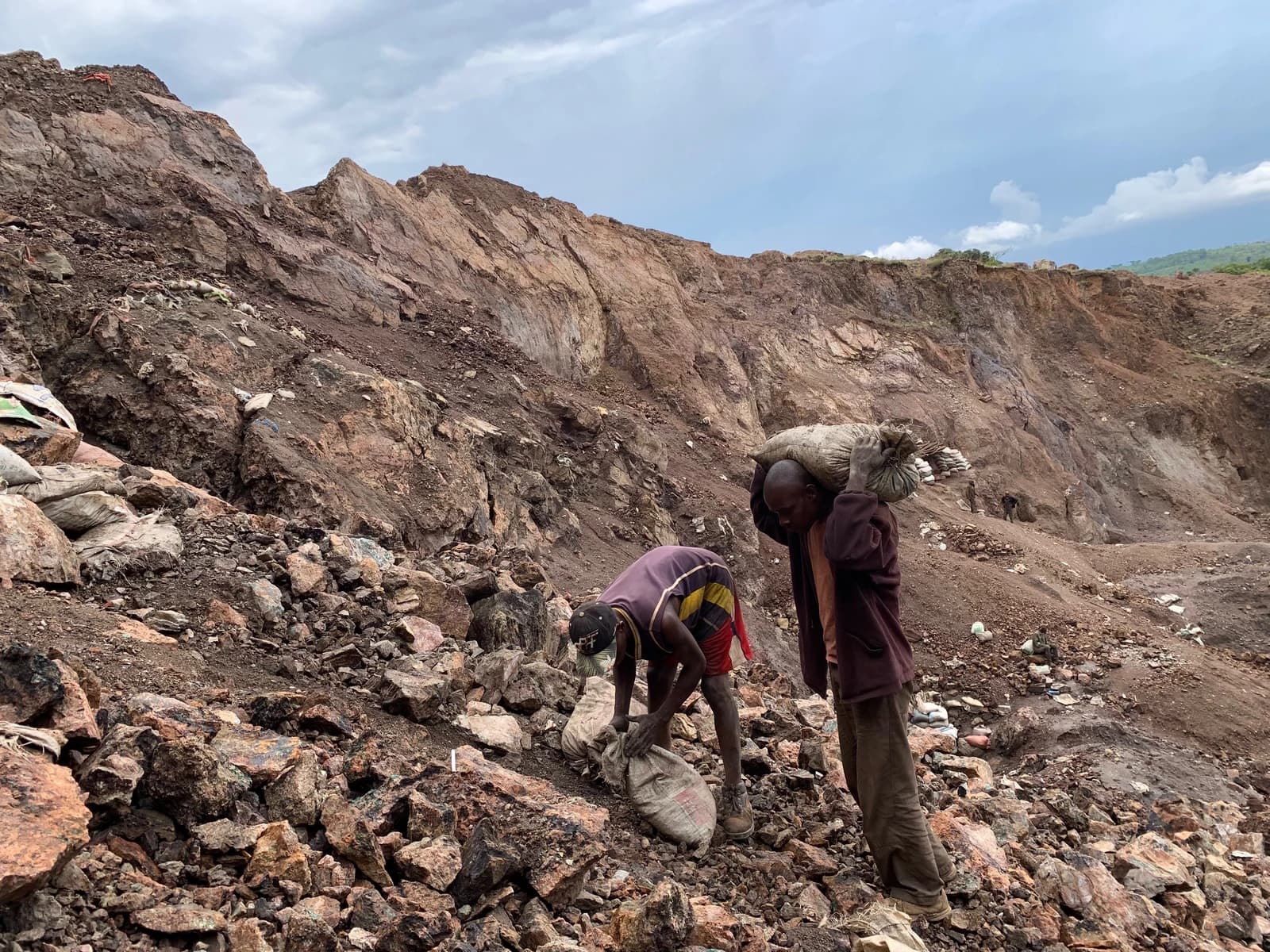
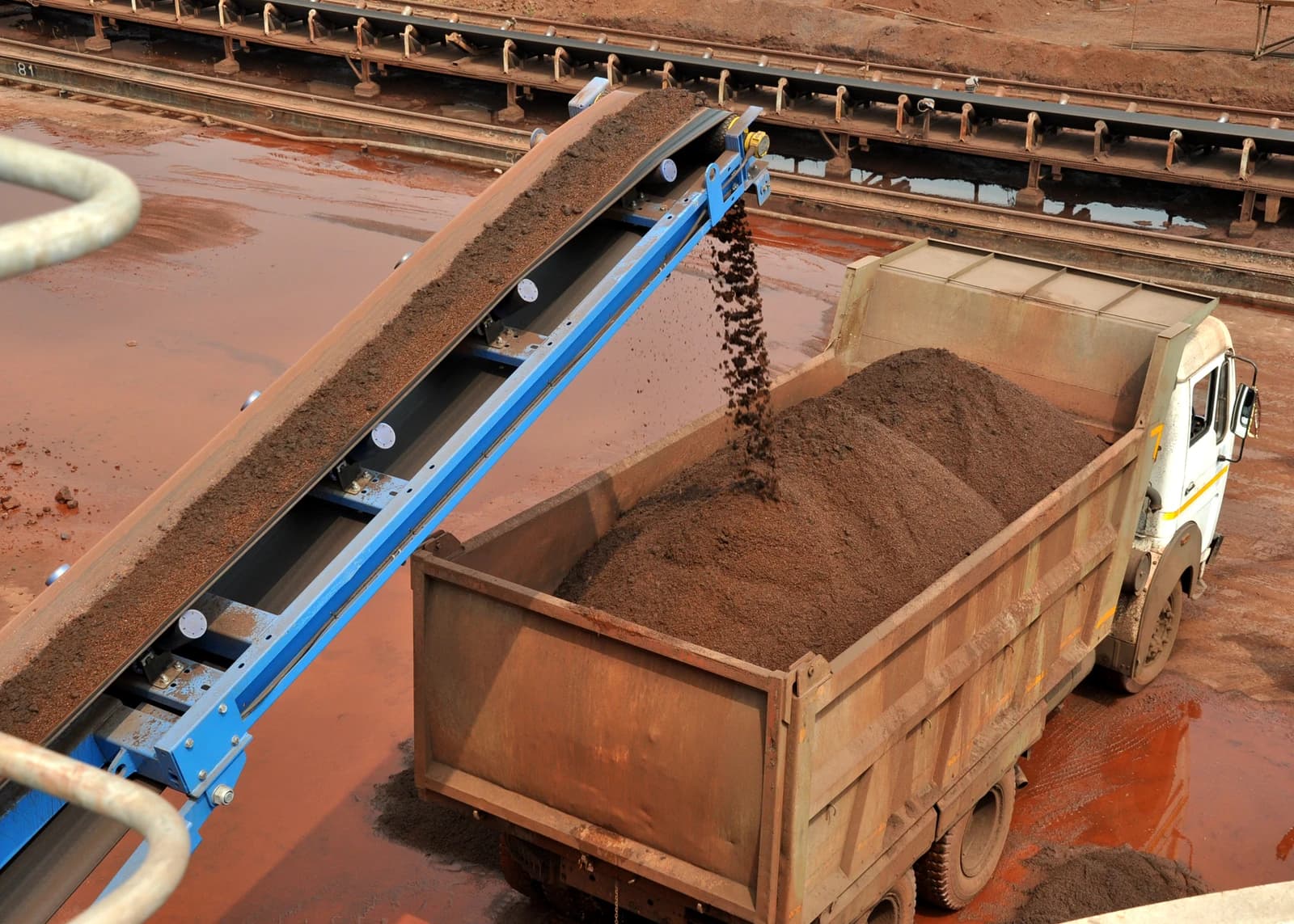
Africa’s mineral wealth is becoming a bigger strategic asset for global industry — and a bigger risk to supply chains — because some of the world’s most important reserves are concentrated in just a handful of countries.
Africa mineral reserves shape global supply chains
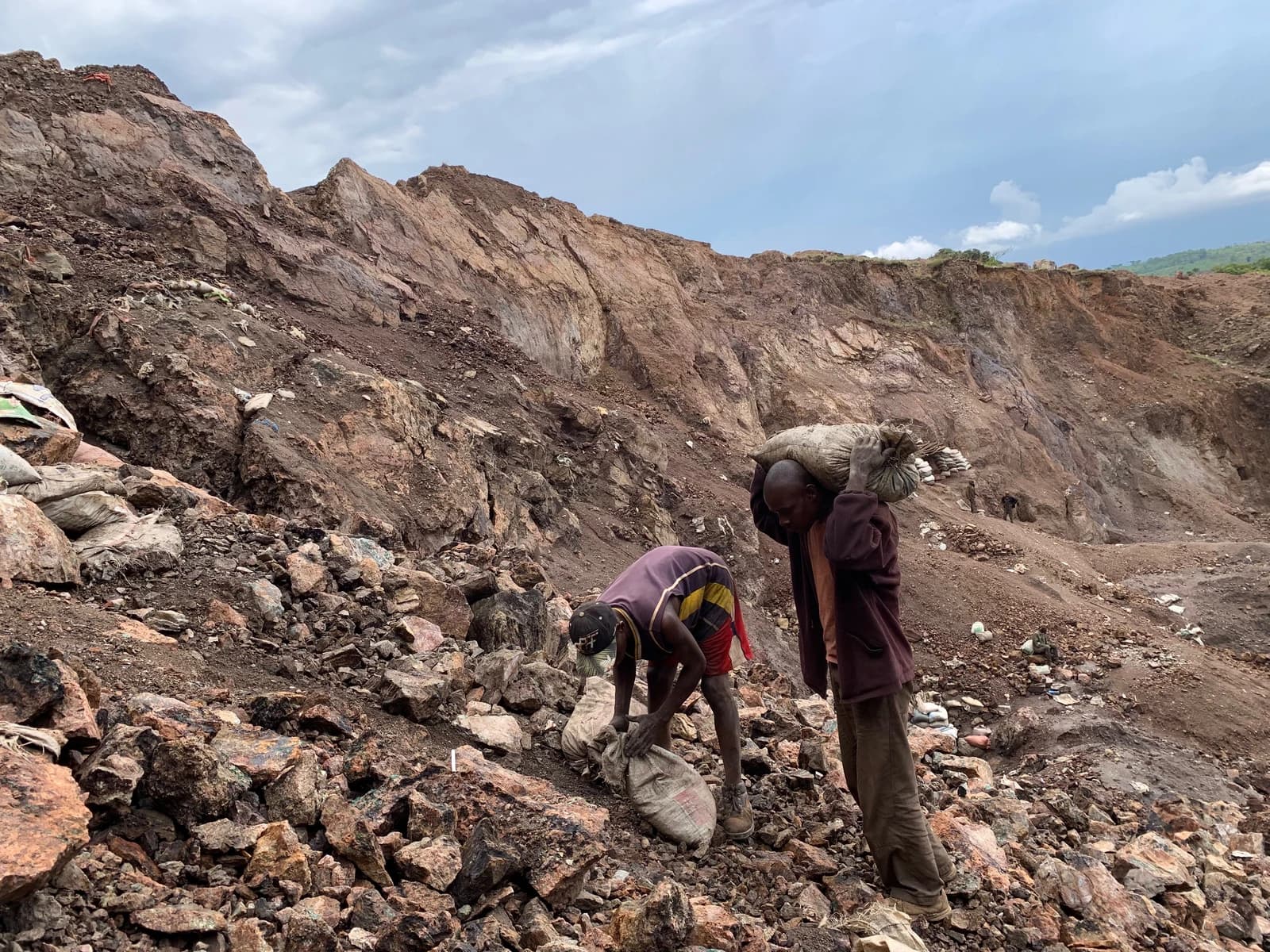
That is the clearest message from new reserve data on 18 key minerals: the Democratic Republic of Congo holds about half of global cobalt reserves, South Africa controls 83% of platinum-group metal reserves, Morocco has 69% of phosphate reserves, and Indonesia accounts for 44% of nickel reserves. In other words, the future of batteries, fertilizers, electric vehicles, semiconductors and heavy industry increasingly depends on a few geographies.
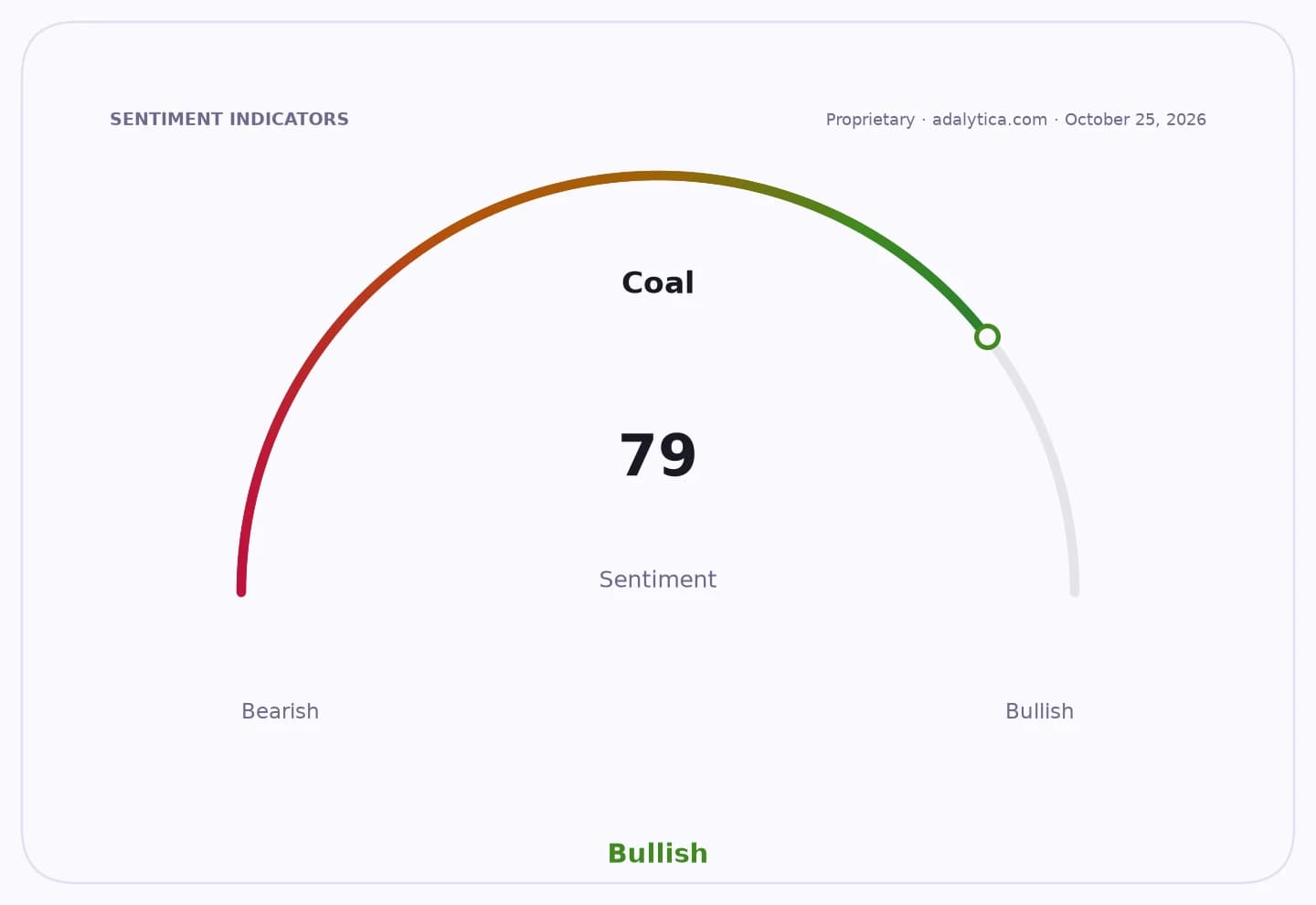
Sentiment Indicators
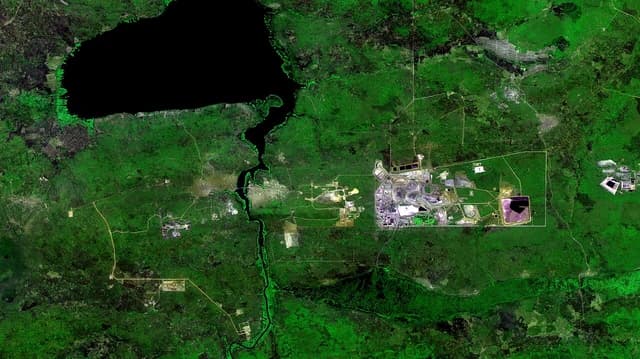
For investors, that concentration matters because mineral reserves are the starting point for decades of mining, processing and export revenue. It shapes where capital flows, which companies can build durable supply chains and which countries can wield pricing power or geopolitical leverage. It also explains why miners such as BHP, Rio Tinto and Freeport-McMoRan remain central to the long-term materials trade, even when their shares swing with the broader cycle.
Australia still stands out for breadth, ranking No. 1 in reserves of gold, uranium, iron ore, zinc and manganese. That diversity gives it one of the most resilient resource bases in the world and helps explain why the country remains a core supplier to steelmakers, nuclear fuel markets and industrial users. China, meanwhile, retains outsized strategic importance through its leadership in rare earths and graphite, two inputs that are difficult to replace in advanced manufacturing, defense systems and clean-energy technologies.
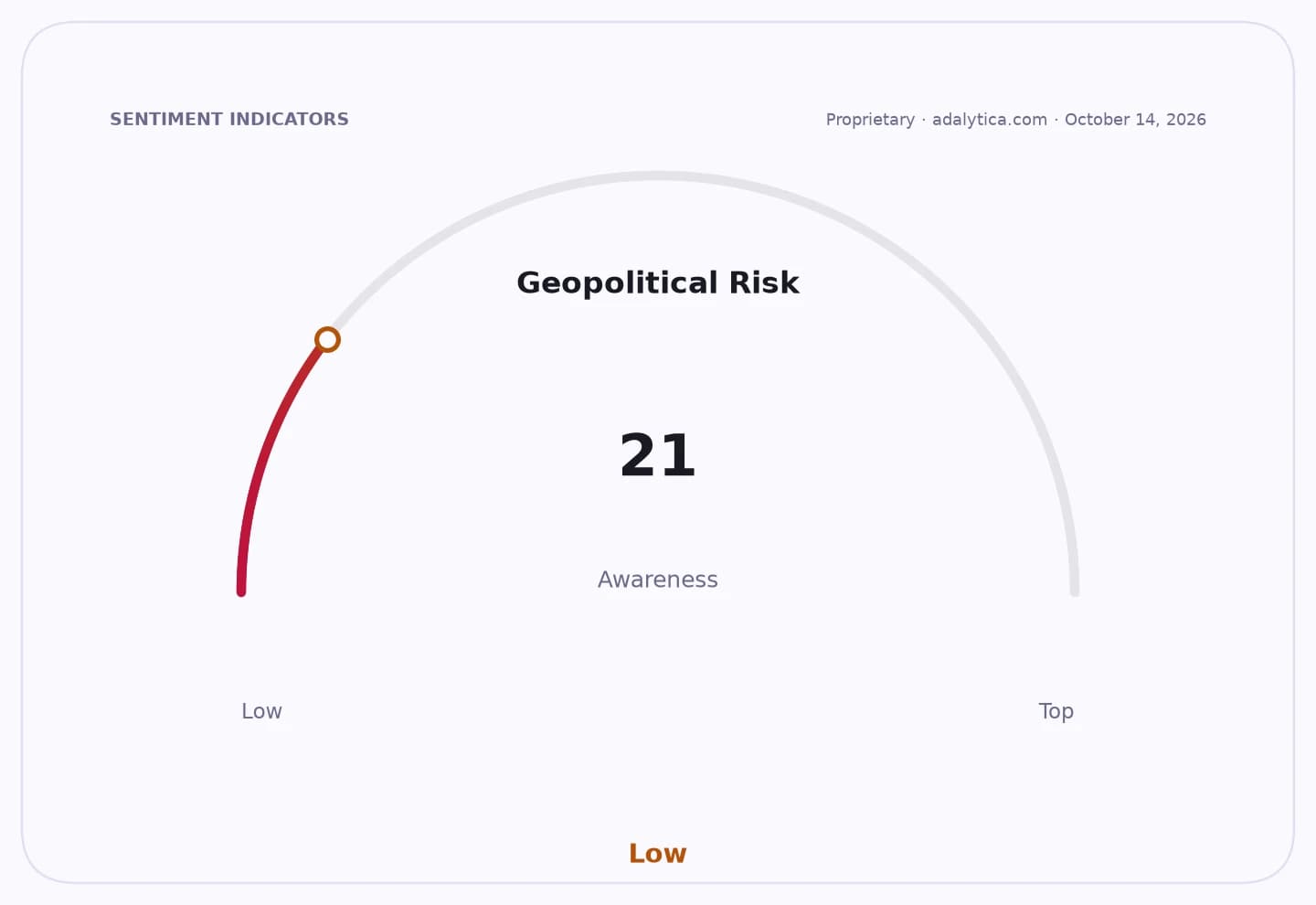
Geopolitical Risk — 30-day sentimentadalytica.com
Explore this data interactively — full history, time series and cross-market comparisons.
The economic lesson is straightforward: scarcity is not just a geological fact, it is a business model. When reserves are heavily concentrated, nations with deposits can shape the pace of development, the cost of supply and the security premium that buyers are willing to pay. That dynamic becomes even more powerful when demand is being reinforced by electric-vehicle batteries, grid buildouts, data centers and the broader energy transition.
The stock market already reflects some of that logic. Miners with exposure to copper, iron ore, uranium and battery materials remain key ways to play the long-term industrialization of Asia, the electrification of transport and the rise of AI infrastructure. But the same concentration that supports long-term demand also introduces volatility: policy shifts, export restrictions, permitting delays and political instability can all move prices quickly.
For patient investors, the message is not to chase every swing in commodity prices. It is to understand that the world’s mineral map is narrowing the list of countries and companies that can feed global growth. Over a 3- to 10-year horizon, that makes diversified exposure to quality miners and resource-rich nations worth watching closely.
| Entity | Gains | Losses |
|---|---|---|
| Congo, South Africa, Morocco | ▲strategic leverage | ▼supply-chain stability |
| Australia | ▲diversified resource base | ▼none obvious |
| China | ▲control over rare earths, graphite | ▼importers of critical inputs |
| Miners and resource investors | ▲long-term demand | ▼consumers facing higher costs |