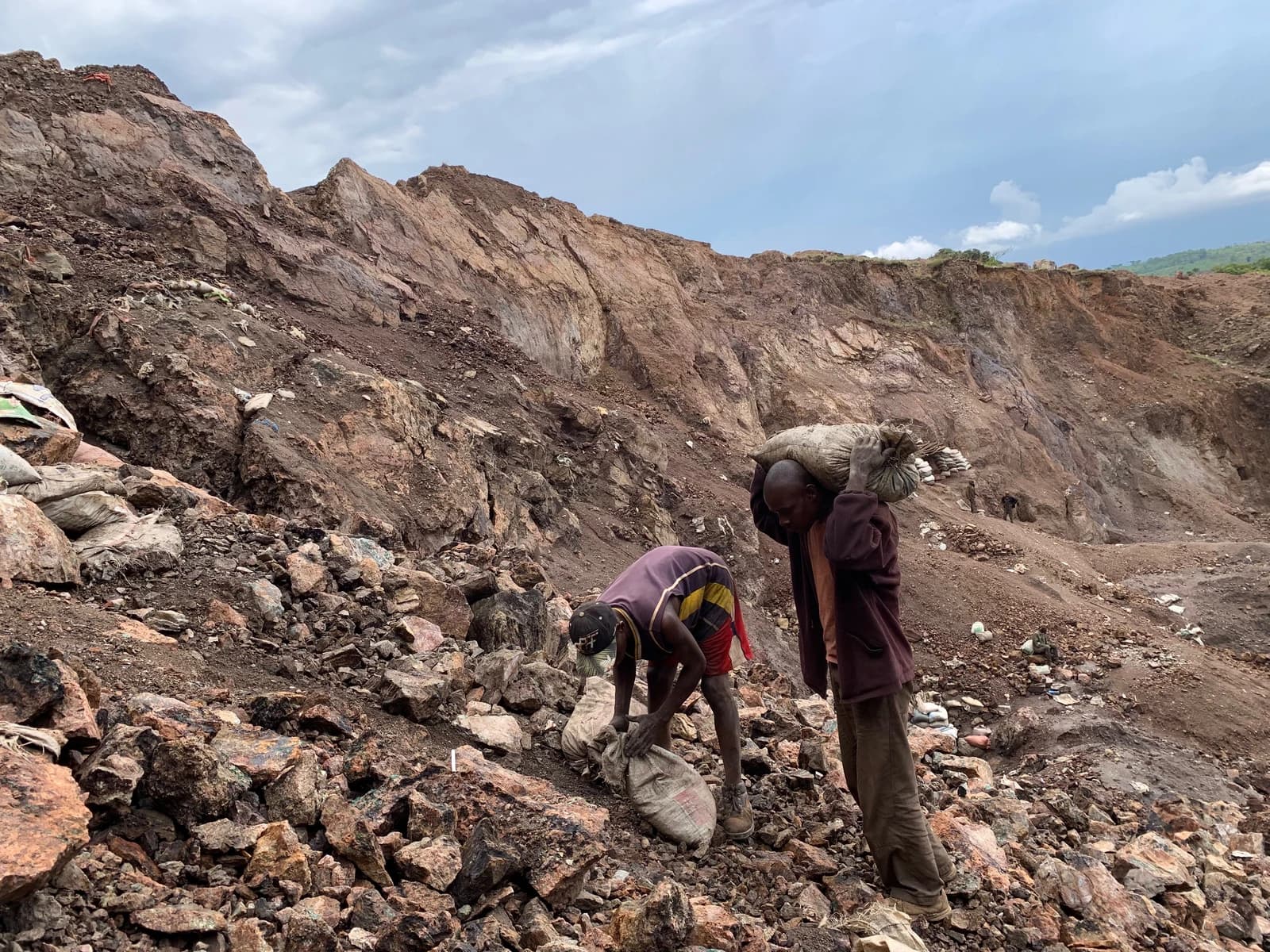
Indonesia’s disclosure that five mining permits could hold Rp 5,400 trillion, or about $300 billion, in proven gold and copper reserves is less a headline-grabbing windfall than a reminder of how much value can be trapped in the ground when permits are poorly allocated and projects are slow to move.
Indonesia reviews five mining permits with large reserves
That is why President Prabowo Subianto’s warning against scattershot issuance of mining rights matters so much. For investors, the story is not just the size of the deposit, but whether Jakarta can turn dormant mineral wealth into actual output, export earnings and jobs. In a country that wants to push more value-added processing at home, the difference between a paper asset and a producing mine can shape industrial policy for years.
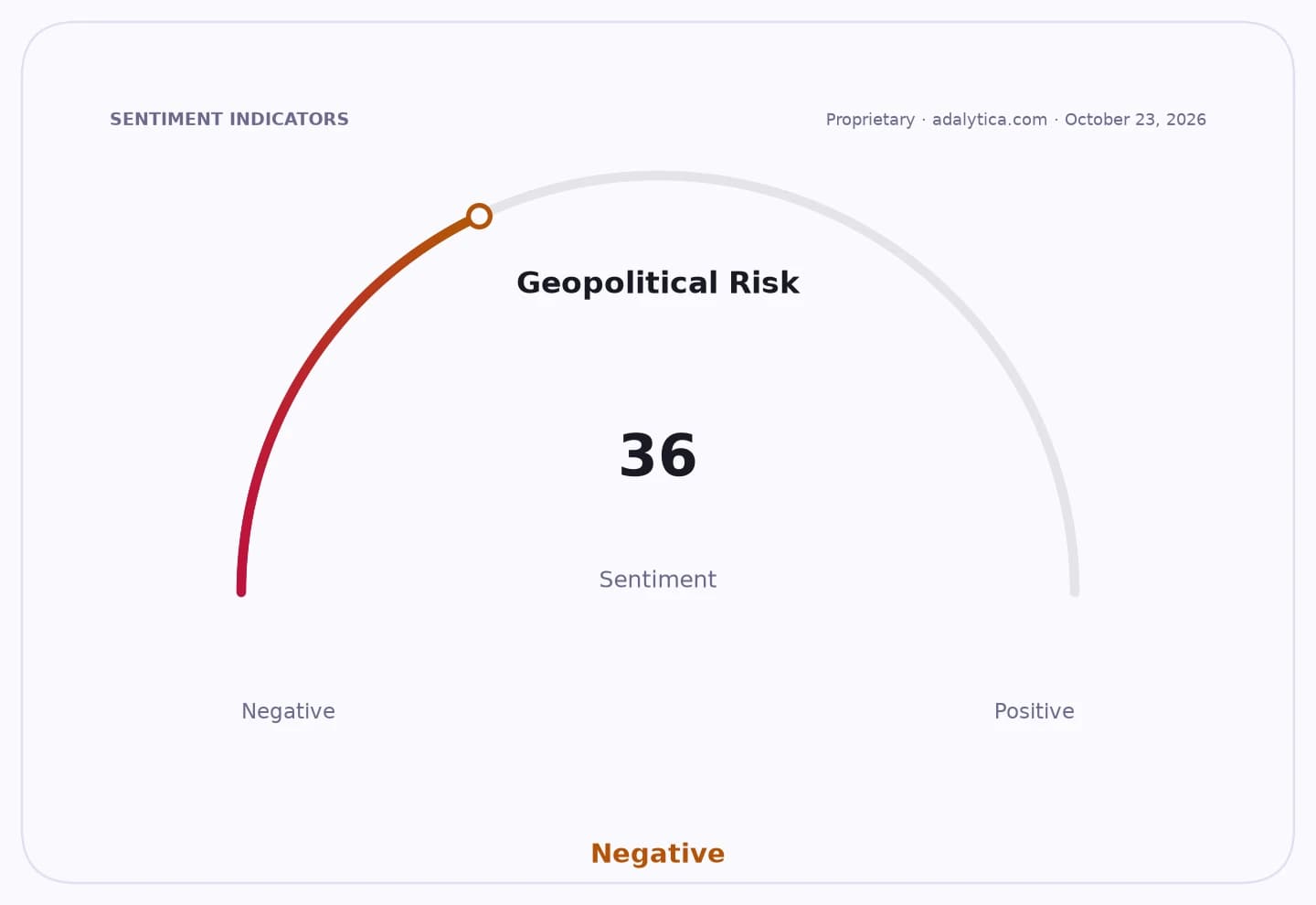
Sentiment Indicators
Energy and Mineral Resources Minister Bahlil Lahadalia said the five permits are spread across Nusa Tenggara Barat, Papua and other regions, and that the commodities are gold and copper. He said the government is now deepening its review of the mineral potential in those licenses. Prabowo said the reserves are proven and simply awaiting extraction, underscoring the political push to make better use of existing concessions before handing out new ones.
That has direct economic significance. Gold and copper are strategic exports, and both feed into Indonesia’s broader downstreaming agenda. Copper is especially important because it links mining to the electric-vehicle, power-grid and electronics supply chains, while gold remains a key reserve asset and source of foreign exchange. If even part of the reported value is converted into production, the impact on state revenue, regional development and investment spending could be substantial.
The market is already sensitive to those themes. Copper prices have been supported by tight supply conditions, while gold remains a favorite hedge in an uncertain global environment. Shares of major miners have also been volatile, with technical indicators showing recent pressure on producers such as Freeport-McMoRan and AngloGold Ashanti even as the underlying commodity story remains compelling. That volatility reflects a simple truth: long-lived mine assets can create enormous value, but only if they are permitted, financed and operated efficiently.
Prabowo’s call for tighter screening also suggests a more disciplined era for Indonesia’s mining sector. That could be good news for serious operators with capital, processing expertise and environmental controls, and bad news for permit holders who have sat on concessions without developing them. In the long run, the winners are likely to be the companies and regions that can move fastest from geology to production.
For long-term investors, the takeaway is straightforward: Indonesia’s mineral endowment remains one of the most attractive resource stories in Asia, but the real prize will go to those who can convert license rights into reliable cash flow. Worth watching closely.
| Entity | Gains | Losses |
|---|---|---|
| Indonesia / Prabowo administration | ▲Higher revenue, jobs, processing growth | ▼Permit inefficiency, political backlash |
| Serious miners and processors | ▲Better allocation, clearer pipeline | ▼Speculators sitting on concessions |
| Gold and copper exporters | ▲Potential output growth, FX inflows | ▼Delays, regulatory tightening |
| Dormant IUP holders | ▲— | ▼Greater scrutiny, loss of easy rents |