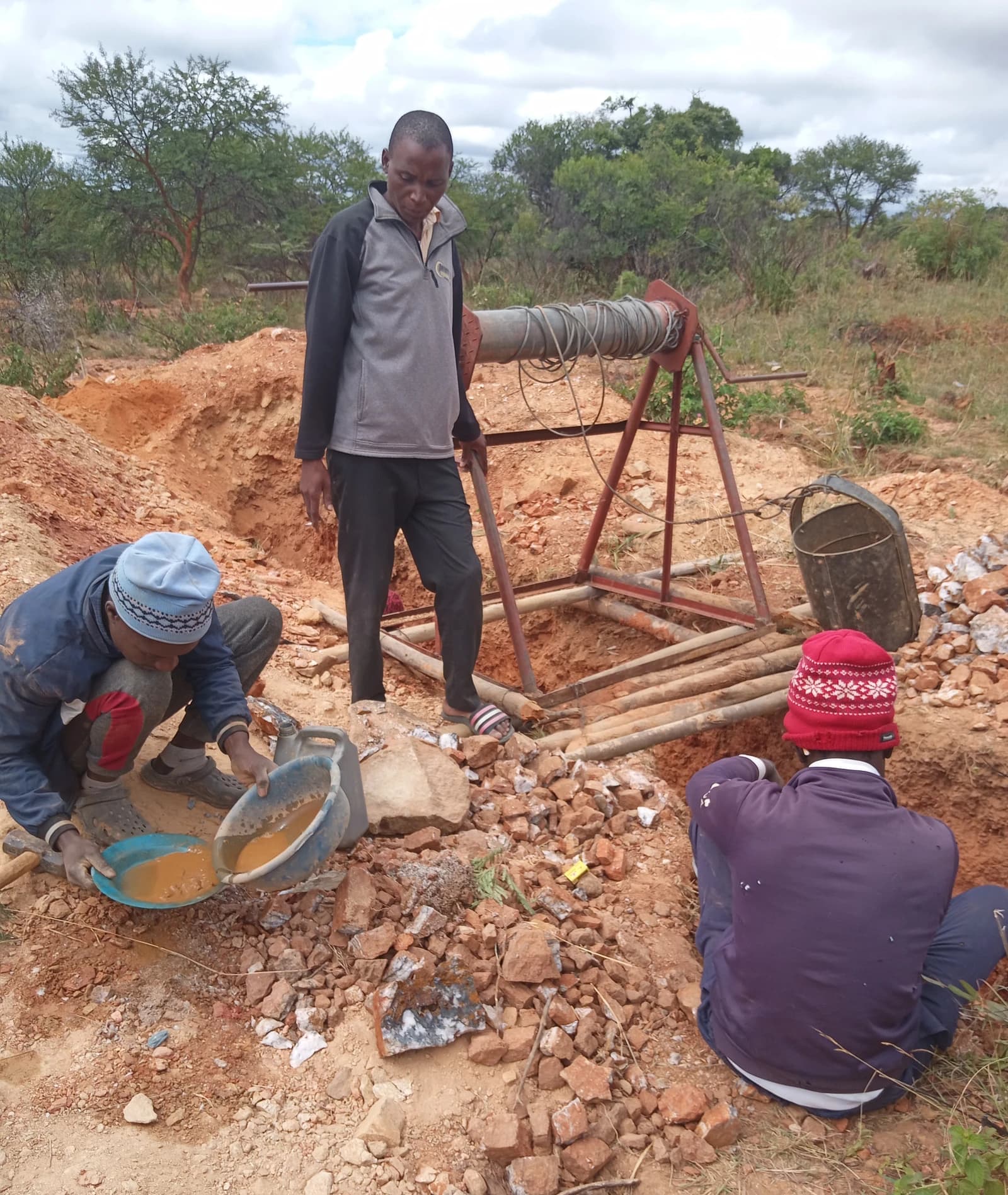
A viral claim that a gold mine in northern Vietnam is for sale is turning out to be less about a prized asset than about the danger of trading on incomplete legal status in a sector where permits, closures and enforcement can make or break value.
Vietnam gold mine sale claim faces permit questions
The post circulating online says the mine in what was formerly Ha Giang province, now part of Tuyen Quang, covers about 89 hectares and holds the equivalent of 290 kilograms of gold in 151,728 tons of ore. It also advertises annual output of roughly 20 kilograms of gold and claims the project has already cleared key legal steps, built power access and even paid a 35 billion dong guarantee this year.
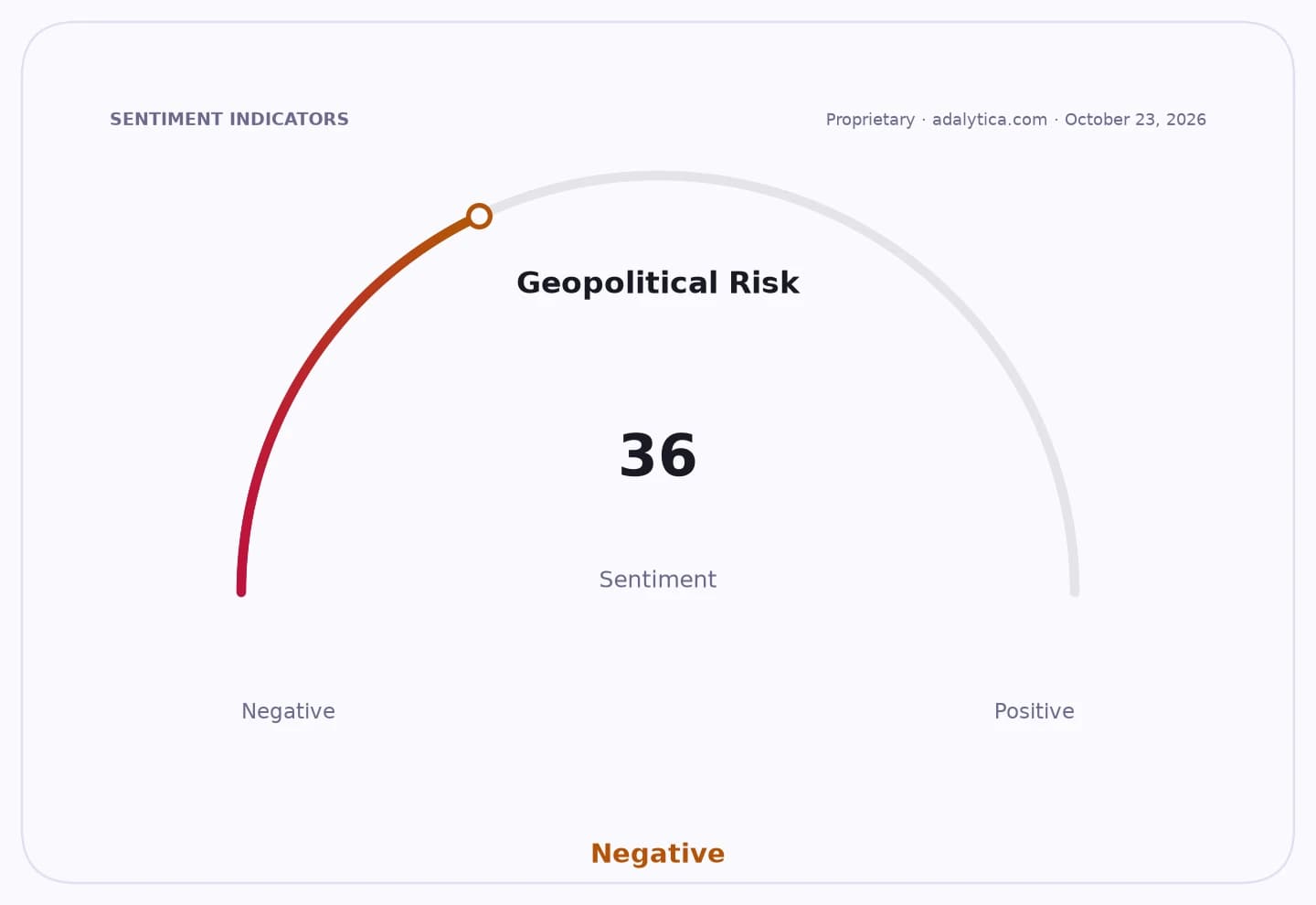
Sentiment IndicatorsⓘProprietary · adalytica.com · October 23, 2026
This is a snapshot — live sentiment, awareness and momentum for 130+ markets update continuously in the dashboard.Open AlphaPulse
Local officials say that is not the reality. The chairman of Hùng An commune, Nguyen Xuan Hai, said procedures for the Tiên Kiều mine have not been completed and the site is not eligible to operate. That matters because in mining, legal title is the asset. Without permits, a reserve estimate is just a number on a screen, not something investors can buy, finance or develop.
The episode also lands in a region with a history of mining violations. Authorities in 2023 detained two men over illegal extraction activity at the same Thượng Cầu site after a previous operation had already been suspended, and that case included a fatal accident. Elsewhere in the area, a separate placer gold mine in Làng Cào was ordered toward closure and rehabilitation, underscoring how quickly a deposit can move from production story to remediation liability.
For investors, the lesson is straightforward: gold may still be the safe-haven trade, but an ore body is only as valuable as its licenses, community support and compliance record. In a bull market, that discipline is easy to forget. Yet projects with unresolved legal status carry heavy discount rates, delayed cash flows and real shutdown risk.
That is why the rumor matters beyond one Vietnamese mine. It highlights a broader truth about natural-resource investing: the most valuable ounces are often the ones that can be mined legally, profitably and repeatedly. In a world where gold prices remain volatile and scrutiny of resource ownership is rising, due diligence is still the edge. This is a reminder to focus on quality assets, transparent operators and long-term compounding rather than chasing a flashy reserve headline.
| Entity | Gains | Losses |
|---|---|---|
| Legitimate miners | ▲Clearer compliance standards | ▼Fewer shortcuts |
| Local authorities | ▲Stronger enforcement credibility | ▼More scrutiny of past approvals |
| Speculative sellers | ▲Short-term attention | ▼Credibility if claims fail |
| Long-term investors | ▲Better risk pricing | ▼Rumor-driven deal chasing |