Senegal’s army has dismantled a clandestine gold panning site in the Falémé area near Sounkounkou, underscoring a widening security push around one of the country’s most sensitive mining and border regions.
Senegal Army Dismantles Gold Panning Site in Falémé
The operation matters because illegal gold panning in the southeast has become more than a law-and-order problem: it drains tax revenue, fuels environmental damage and creates an opening for cross-border trafficking in a zone that already demands heavy military attention. For investors and miners, it also highlights how security and enforcement risks can shape the operating backdrop for formal gold activity in West Africa.
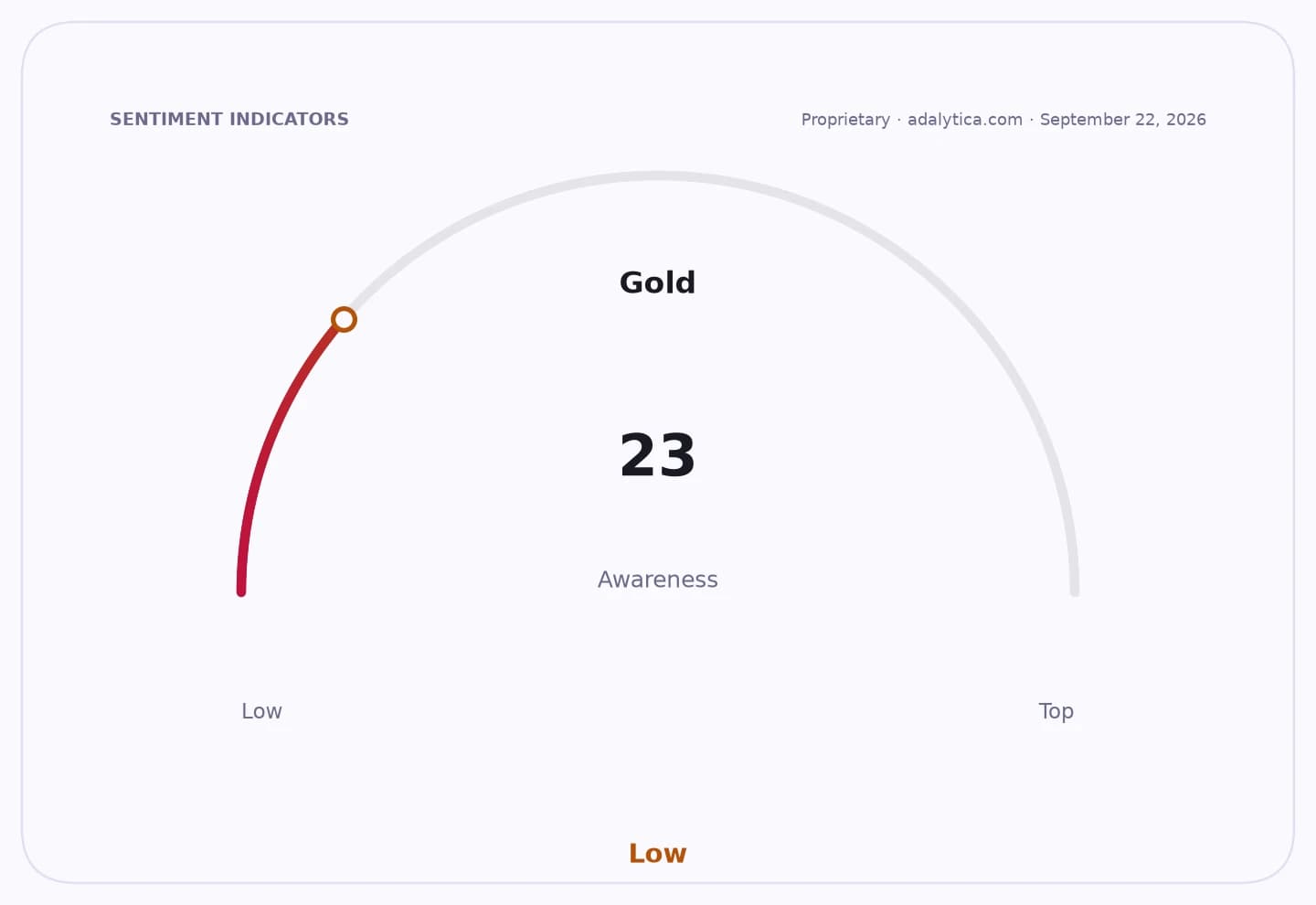
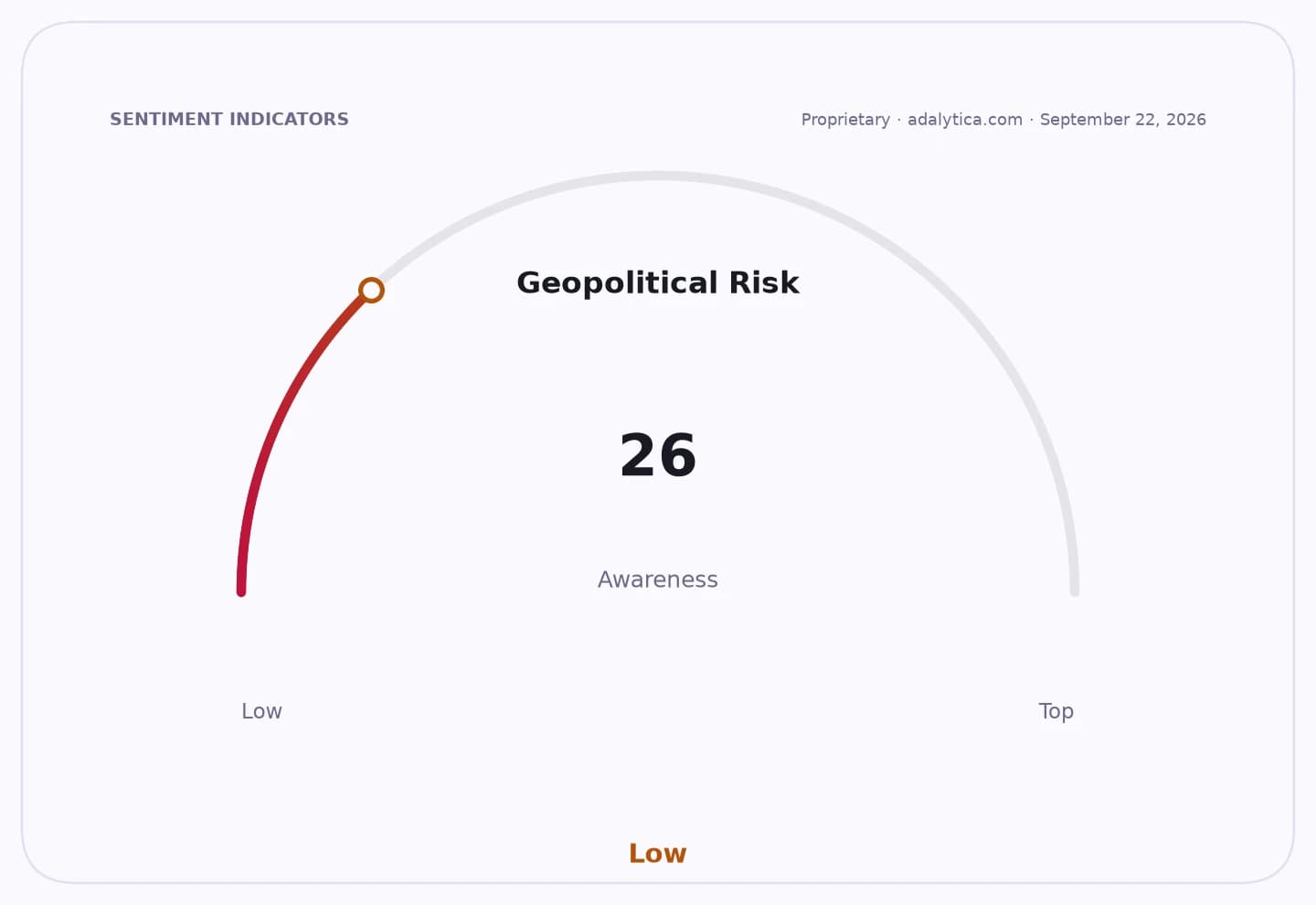
Sentiment IndicatorsⓘProprietary · adalytica.com · October 4, 2026
This is a snapshot — live sentiment, awareness and momentum for 130+ markets update continuously in the dashboard.Open AlphaPulse
A unit from the 34th battalion carried out the raid on Saturday, Oct. 3, according to the Senegalese armed forces’ public relations directorate, or DIRPA. Authorities seized about a dozen motor pumps, motorcycles and other equipment used at the site.
The military said forces in zone 4, which covers the Tambacounda and Kédougou regions, remain deployed alongside other security services to fight illegal mining and control the frontier. That suggests the crackdown is not a one-off sweep but part of a broader campaign to choke off the logistics that keep clandestine sites running.
The development carries implications beyond Senegal. Illegal alluvial gold sites across West Africa often depend on mobile equipment, informal labor and weak border controls, making them difficult to eliminate permanently. Each dismantled site can disrupt local supply chains, but persistent enforcement can also push activity deeper underground or into neighboring areas.
For gold investors, the immediate market effect is indirect, but the bigger message is about supply discipline and geopolitical risk. Enforcement actions in producing regions can affect informal output, local commerce and the operating environment for licensed miners, even as global gold prices remain driven by macro forces.
The next catalyst is whether Senegal’s authorities sustain the pressure with follow-up raids and border controls, or whether displaced operators quickly reappear elsewhere in the Falémé corridor.
| Entity | Gains | Losses |
|---|---|---|
| Senegal armed forces | ▲stronger border control | ▼illegal miners |
| Formal gold sector | ▲improved security environment | ▼clandestine panners |
| Local communities | ▲less environmental disruption | ▼informal equipment operators |
| Regional smuggling networks | ▲none | ▼disrupted logistics |