India’s anti-smuggling drive has delivered another airport interception, with the Directorate of Revenue Intelligence seizing 1.3 kg of gold biscuits worth Rs 1.8 crore that were concealed inside luggage trolleys after arriving from Kuala Lumpur.
India DRI Seizes Gold at Airport from Kuala Lumpur
The case matters because it points to a more organised and adaptive smuggling network rather than an opportunistic courier run. By using unsuspecting passengers and luggage trolleys to move bullion through customs, the alleged syndicate appears to have been trying to exploit the high traffic and low-friction environment of an international airport, where even small consignments can be worth a large sum and are easy to disperse.
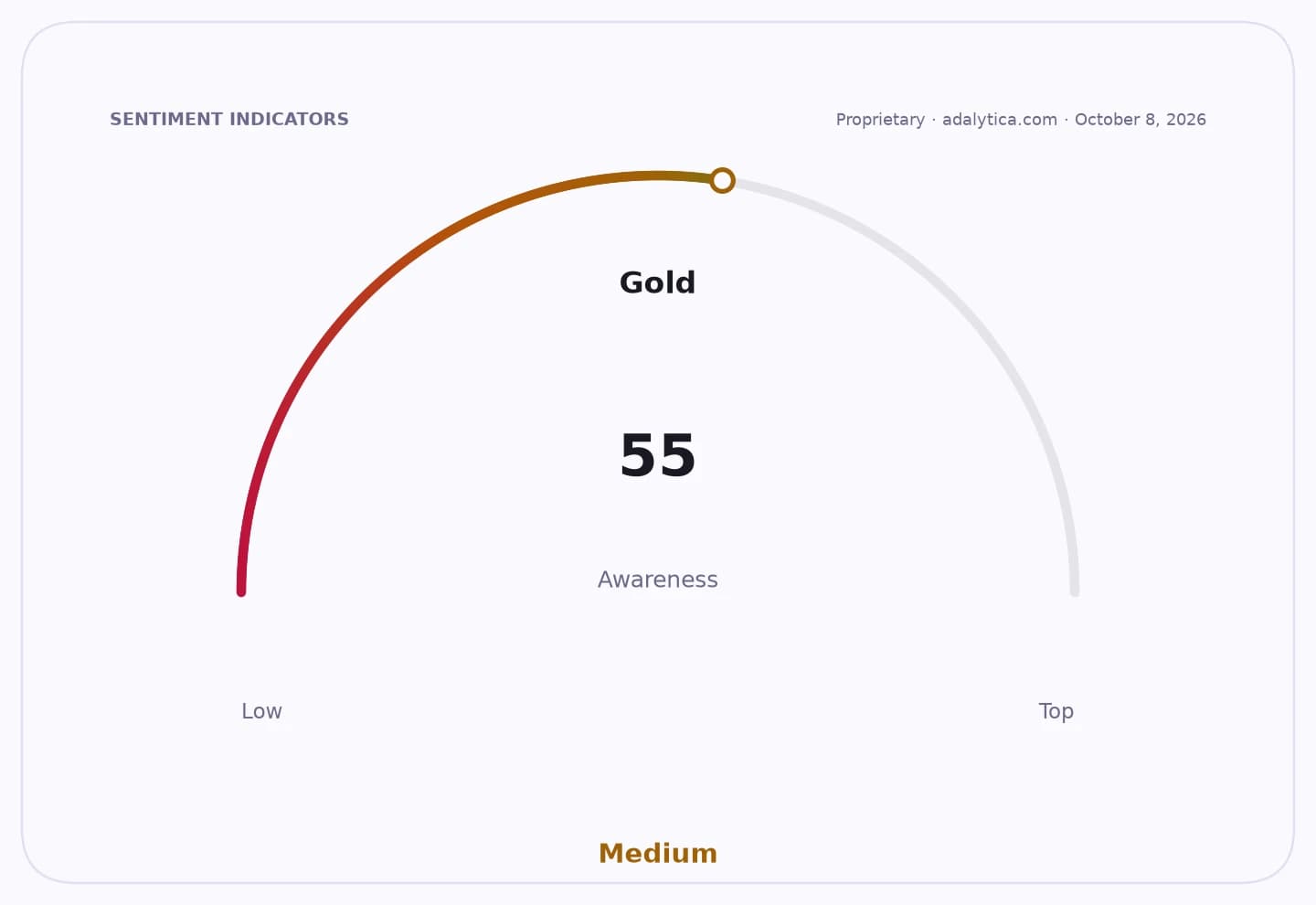
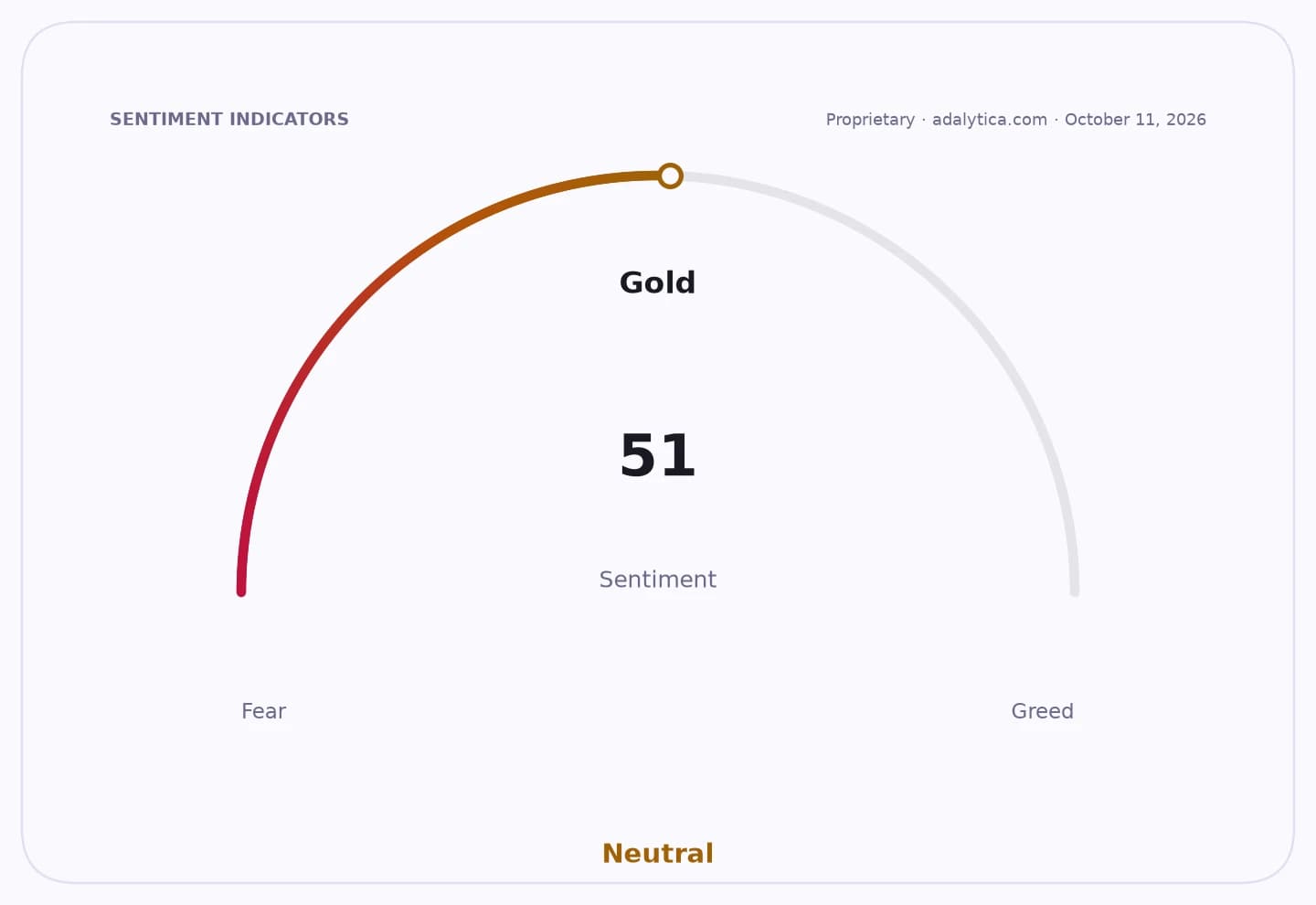
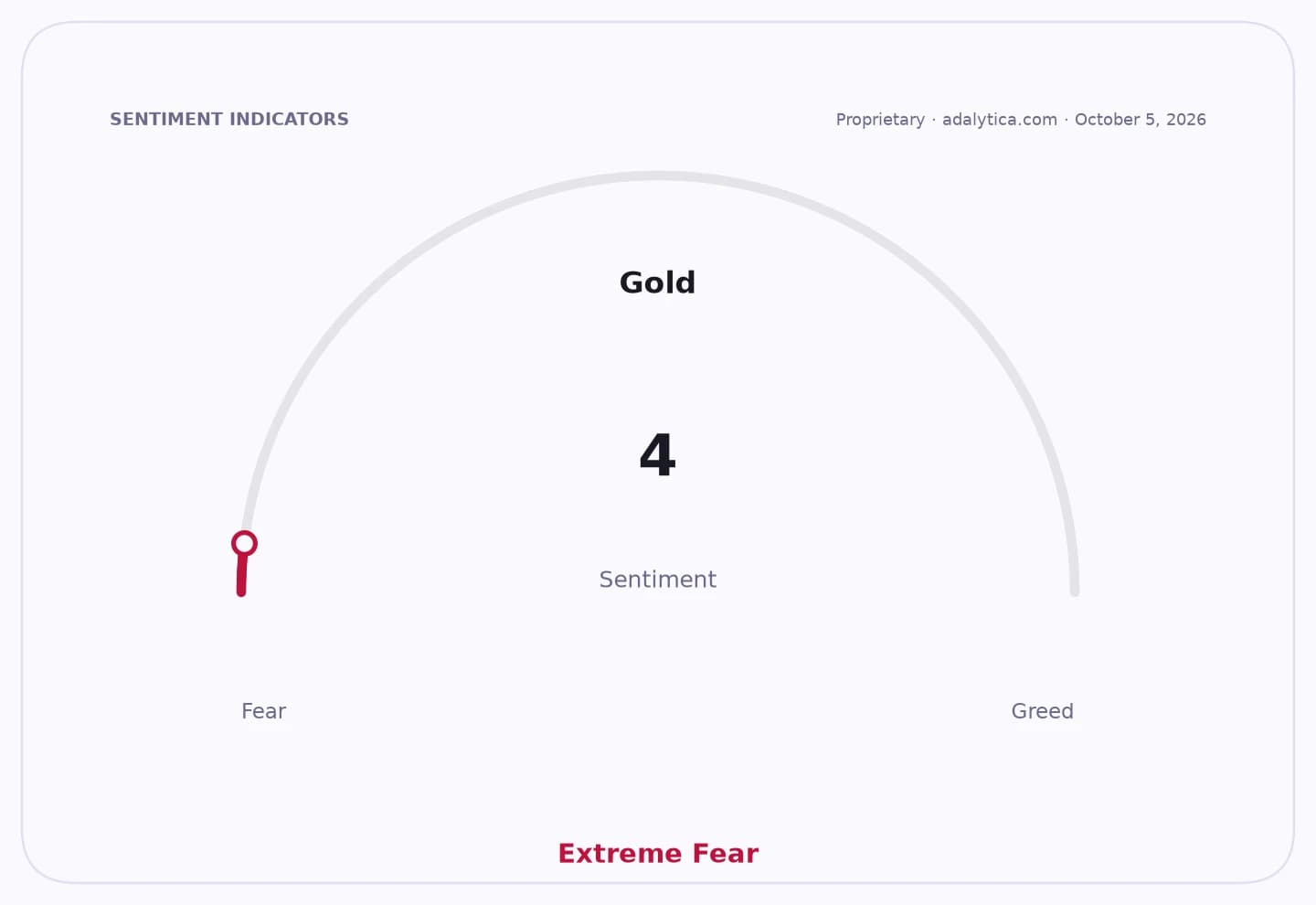
Sentiment IndicatorsⓘProprietary · adalytica.com · October 10, 2026
This is a snapshot — live sentiment, awareness and momentum for 130+ markets update continuously in the dashboard.Open AlphaPulse
For India, the seizure fits a broader pattern of enforcement pressure on illicit gold flows, which are sustained by the country’s heavy appetite for the metal and the price gap between domestic and overseas markets. Gold remains one of the most trafficked commodities into India because demand from households, jewellers and investors is structurally strong, while duties and tax arbitrage create incentives for smuggling. Each seizure chips away at that shadow supply chain and can support compliant importers and formal jewellery trade, even if the volumes involved are small relative to the market.
The probe also underscores how smuggling networks have become more sophisticated in their concealment methods. The DRI said the accused allegedly stuck the biscuits to trolleys and later retrieved them after passengers had crossed customs, a tactic designed to outsource risk and complicate attribution. That makes enforcement more labour-intensive, requiring intelligence-led surveillance rather than routine baggage checks.
The timing is notable. Indian authorities have intensified actions against cross-border trafficking in recent days, with the DRI previously reporting seizures of narcotics and a separate airport bust involving gold and diamonds routed through Mumbai. That suggests customs and revenue officials are widening their focus beyond narcotics to include high-value precious metals and valuables, an approach that can lift the cost of doing business for organised smuggling rings.
For investors, the immediate market impact is limited, but the implications are not. A tighter crackdown can marginally reduce illicit competition for legitimate bullion and jewellery channels, while reinforcing the premium on traceability and compliance across India’s gold ecosystem. It also serves as a reminder that policy, enforcement and informal trade remain tightly linked in a market where imported gold still influences pricing, margins and working capital for jewellers.
The key question now is whether this seizure leads to arrests higher up the network and exposes the financing, routing and airport-handling links behind the operation. If the investigation widens successfully, it would add to the deterrent effect; if not, it will likely be another example of authorities intercepting a shipment while the wider smuggling machine adapts and keeps moving.
| Entity | Gains | Losses |
|---|---|---|
| DRI and customs officials | ▲Stronger enforcement record | ▼Resource burden |
| Formal gold importers | ▲Less illicit competition | ▼No direct gain |
| Smuggling syndicates | ▲Adaptation pressure | ▼Seizure and arrests risk |
| Jewellery trade and consumers | ▲Better traceability | ▼Higher compliance costs |