Gold buyers in India face a fresh trust problem as higher hallmarking charges are creating room for counterfeit purity stamps, a risk the Gem and Jewellery Domestic Council says could leave consumers paying more for less-protected purchases.
India Gold Hallmarking Fee Rise Raises Fraud Risk
That matters because hallmarking is the last line of defense in a market where small buyers often rely on a stamped assurance rather than laboratory testing. The council’s warning is not just about fraud; it is about a widening gap between regulation and enforcement at the retail end of the gold chain, where misinformation can quickly turn into economic loss for households and a credibility hit for the formal jewellery trade.
The All India Gem and Jewellery Domestic Council says some bad actors are skipping authorized assaying or hallmarking centres and instead fabricating fake hallmark stamps to mimic the purity certification now required on jewellery. The council argues the problem is being made worse by low consumer awareness of the Hallmark Unique Identification, or HUID, printed on each item, especially in smaller towns and rural areas.
According to the council, buyers in only about 10% of India’s 800 districts know how to verify hallmarking through the BIS Care app. That ignorance gives counterfeiters an opening to copy photos and stamps and pass off low-quality or fake jewellery as certified gold.
The economics of the issue are straightforward: higher certification costs can push some sellers and buyers toward the gray market, particularly where price sensitivity is high. The GJC estimates the latest fee increase adds about 4 billion rupees a year in extra costs, along with roughly 800 million rupees in GST, and it wants the old 45-rupee hallmarking price restored. It has written to consumer affairs minister Prahlad Joshi and the Bureau of Indian Standards.
For investors, the key point is that trust premiums matter in gold just as much as price. If hallmarking becomes more expensive and harder to verify, demand could tilt further toward large, organized players with stronger compliance systems and away from smaller informal sellers that depend on low overhead and weak scrutiny. That would be a tailwind for branded jewellery chains and a headwind for unorganized shops that cannot easily absorb the added compliance burden.
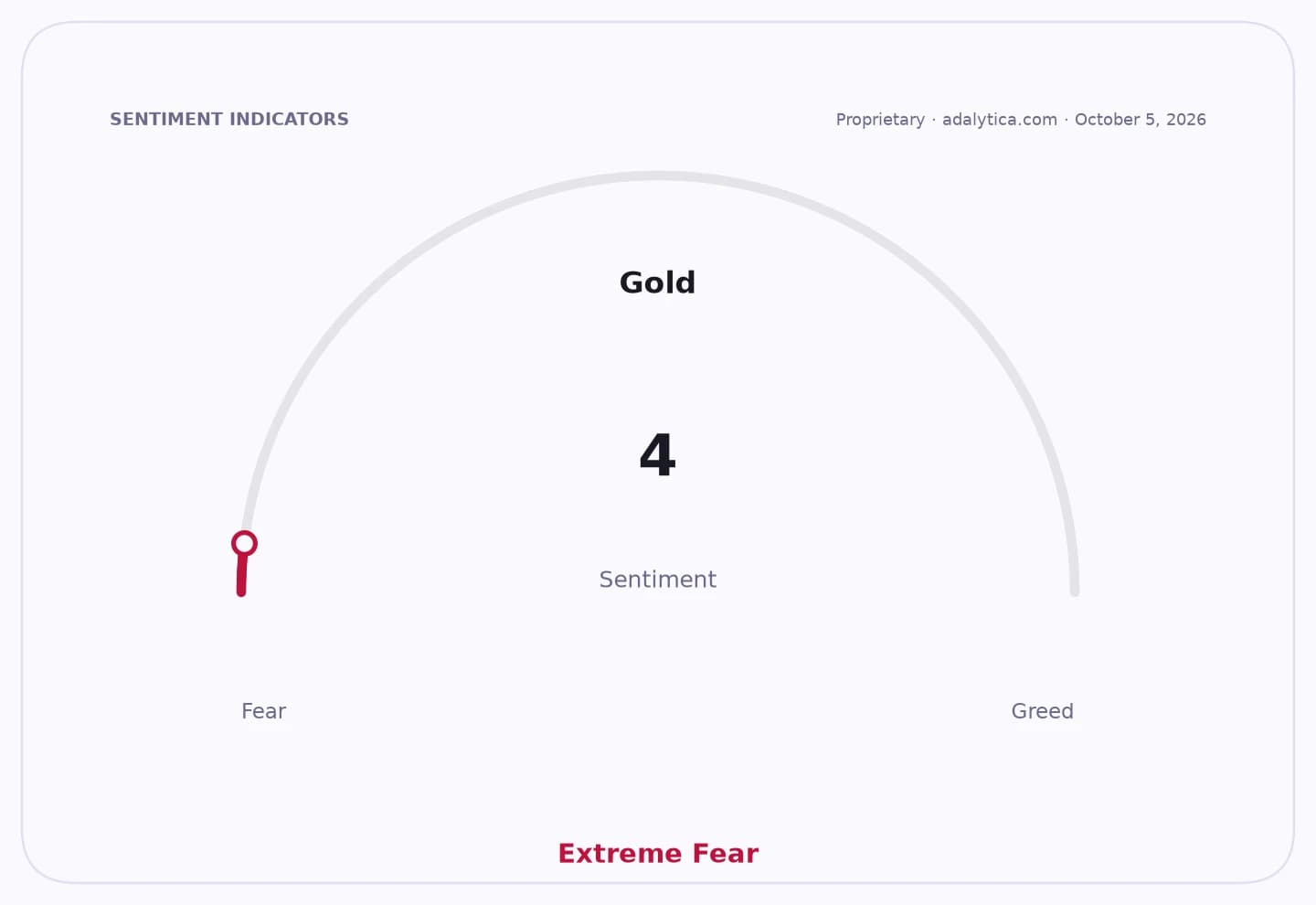
The broader backdrop also matters. Gold prices have been volatile globally, and that kind of price swings typically sharpens consumer attention on authenticity, spreads, and resale value. When the metal itself is moving sharply, even a modest increase in counterfeit risk can distort buying decisions and damage confidence in the domestic market.
The market takeaway is clear: India’s gold trade is entering a more defensive phase, where certification integrity may become as important as price. If regulators do not improve consumer awareness and keep verification cheap, the formal jewellery sector could see more pressure from fraud risk, while those able to prove purity and traceability should gain market share. Investors looking at India’s jewellery ecosystem should focus on the firms best positioned to monetize trust.
| Entity | Gains | Losses |
|---|---|---|
| Organized jewellery chains | ▲Higher trust premium | ▼Smaller compliance burden shock |
| Unorganized gold sellers | ▲Lower verification costs | ▼Credibility and traffic |
| Consumers who verify HUID | ▲Better purity protection | ▼Higher hallmarking fees |
| Counterfeit operators | ▲Short-term arbitrage | ▼Tighter scrutiny over time |