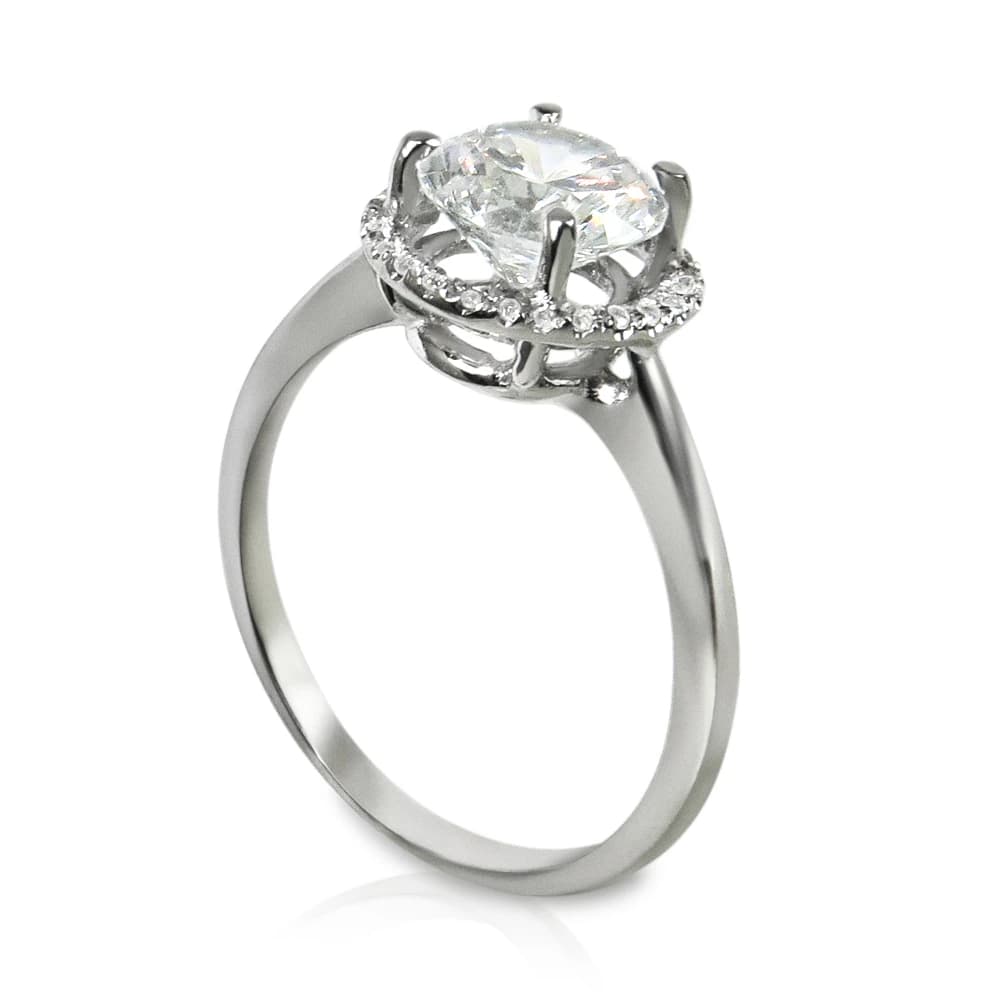
Gold may be grabbing headlines, but the bigger long-term investing lesson is why diamonds are losing the kind of broad, daily price transparency that makes gold such a global monetary asset.
Diamonds Face Price Pressure From Lab-Grown Supply
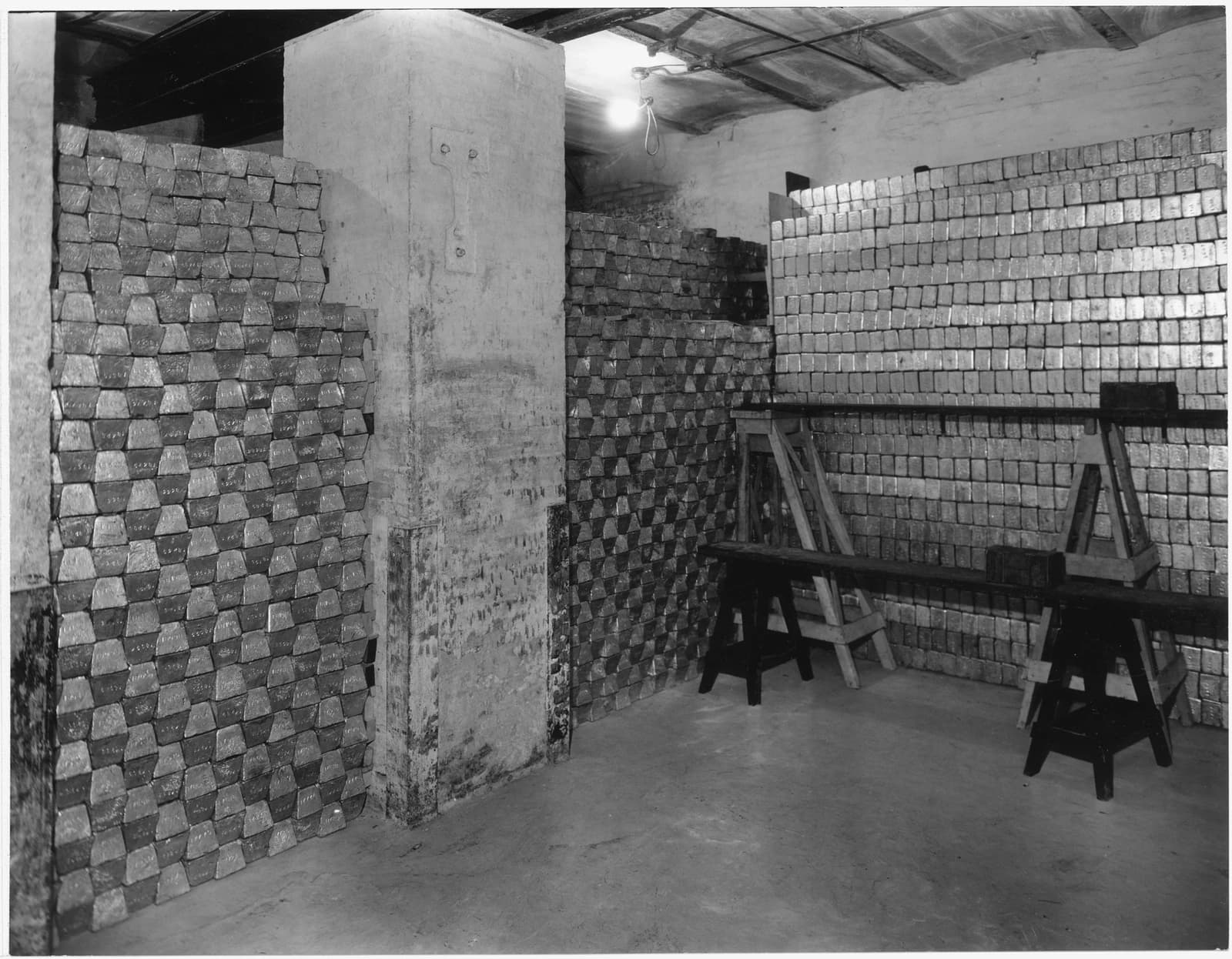
That difference matters because investors can trade gold like a financial instrument, while diamonds are still priced more like a collection of individual luxury goods. Gold has a widely accepted market rate based on ounces, purity and the international spot price. Diamonds do not. Their value depends on the 4Cs — carat, cut, color and clarity — which means two stones that look similar can have very different prices.
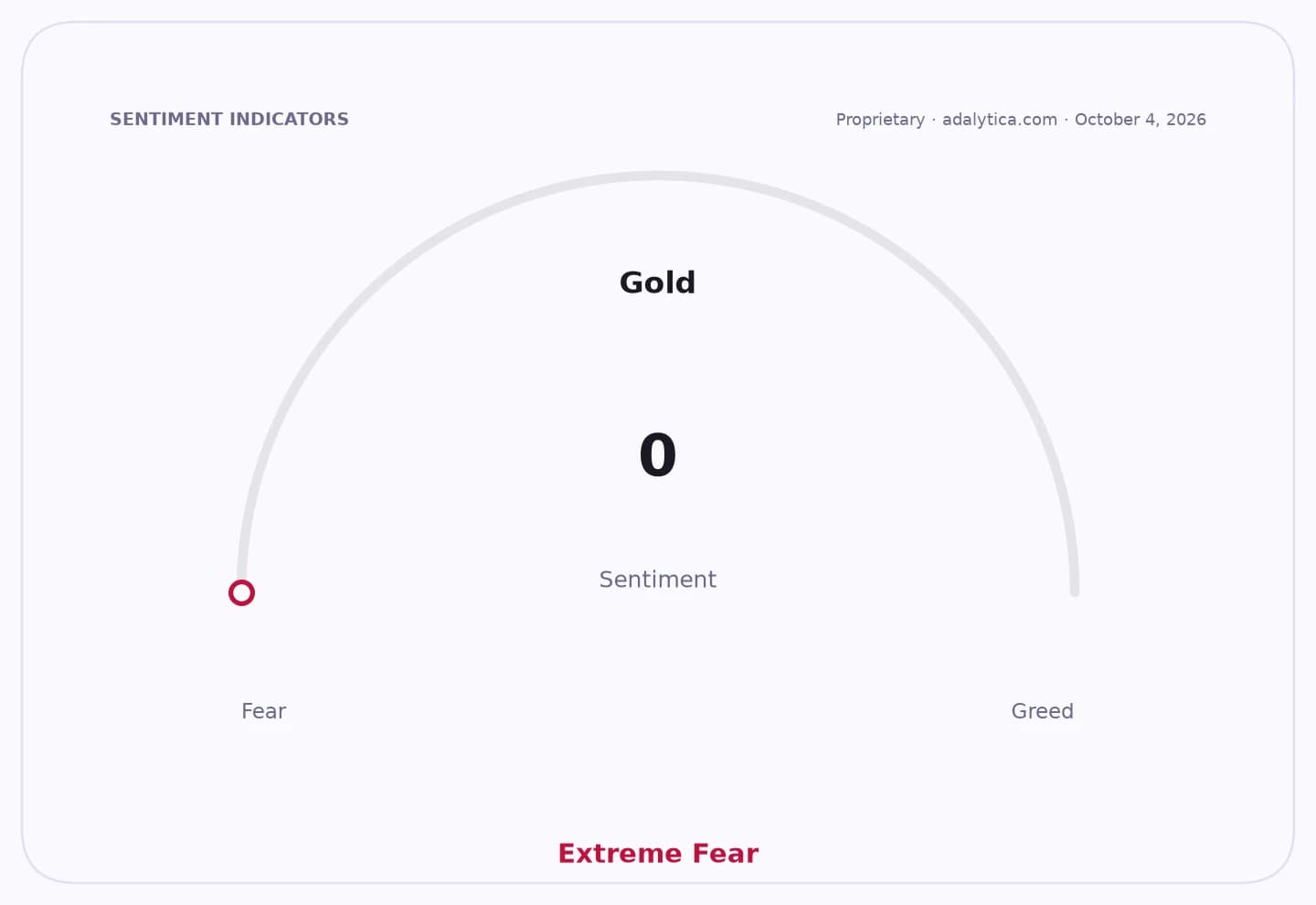
Sentiment IndicatorsⓘProprietary · adalytica.com · October 1, 2026
This is a snapshot — live sentiment, awareness and momentum for 130+ markets update continuously in the dashboard.Open AlphaPulse

That pricing structure is being challenged by a flood of lab-grown diamonds. Over the past five years, wholesale diamond prices have fallen as much as 40%, and natural diamond prices are now said to be near a two-decade low. Lab-grown stones are not fake diamonds; they have the same chemical and physical properties as mined stones, but they can be produced in a fraction of the time and sold for 70% to 85% less than natural diamonds. That is not a small discount. It is a direct attack on the scarcity premium that has long supported the natural-diamond business.
For investors, the key issue is not sentiment — it is economics. A market that once relied on rarity, branding and retail markups is becoming more price competitive and more commoditized. That is good news for buyers, especially younger consumers, and bad news for producers and anyone counting on mined diamonds to preserve pricing power. In India, where more than 90% of the world’s rough diamonds are cut and polished, the shift matters even more. Surat remains a critical hub, but the center of gravity in the industry is moving toward lower-cost production, bigger volumes and tighter margins.
The scale of the change is starting to show up in trade flows. India exported 18.8 million carats of lab-grown diamonds in 2025-26, compared with 16 million carats of natural diamonds, the first time lab-grown stones have surpassed natural stones in export volume. China dominates global lab-grown diamond production, supplying more than 60% of the world total, which adds another layer of competitive pressure for India’s diamond ecosystem.
This is where the story becomes bigger than jewelry. Gold’s price is easy to track because it is treated as a monetary asset with a global reference price. Diamonds are harder to quote because the market is fragmented, quality is highly uneven and consumer preferences are changing fast. Gen Z buyers are increasingly treating diamonds as everyday jewelry rather than once-in-a-lifetime status purchases, and women buying for themselves is becoming a stronger demand driver. In India, about 52% of diamond jewelry bought is now worn daily, with Gen Z accounting for roughly 51% of that demand. That supports volume, but it also pushes the market toward lower price points and weaker margins.
For long-term investors, the lesson is straightforward: the diamond business is becoming more like a competitive consumer market than a protected luxury category. Companies with scale, branding and access to low-cost supply may still win, but the old assumption that diamonds automatically mean scarcity and pricing power is fading. Gold, by contrast, keeps its daily quote because the market still treats it as a store of value. Diamonds are learning what happens when scarcity becomes easier to manufacture.
If you are investing for the next five to 10 years, this is a space worth watching — especially for companies that can adapt to lab-grown demand rather than fight it.
| Entity | Gains | Losses |
|---|---|---|
| Lab-grown diamond makers | ▲Lower costs, rising demand | ▼Less scarcity premium for others |
| Natural diamond miners | ▲— | ▼Falling wholesale prices |
| Indian cutters and polishers | ▲Export volume growth | ▼Margin pressure |
| Consumers, especially Gen Z | ▲Cheaper jewelry | ▼Traditional luxury pricing power |