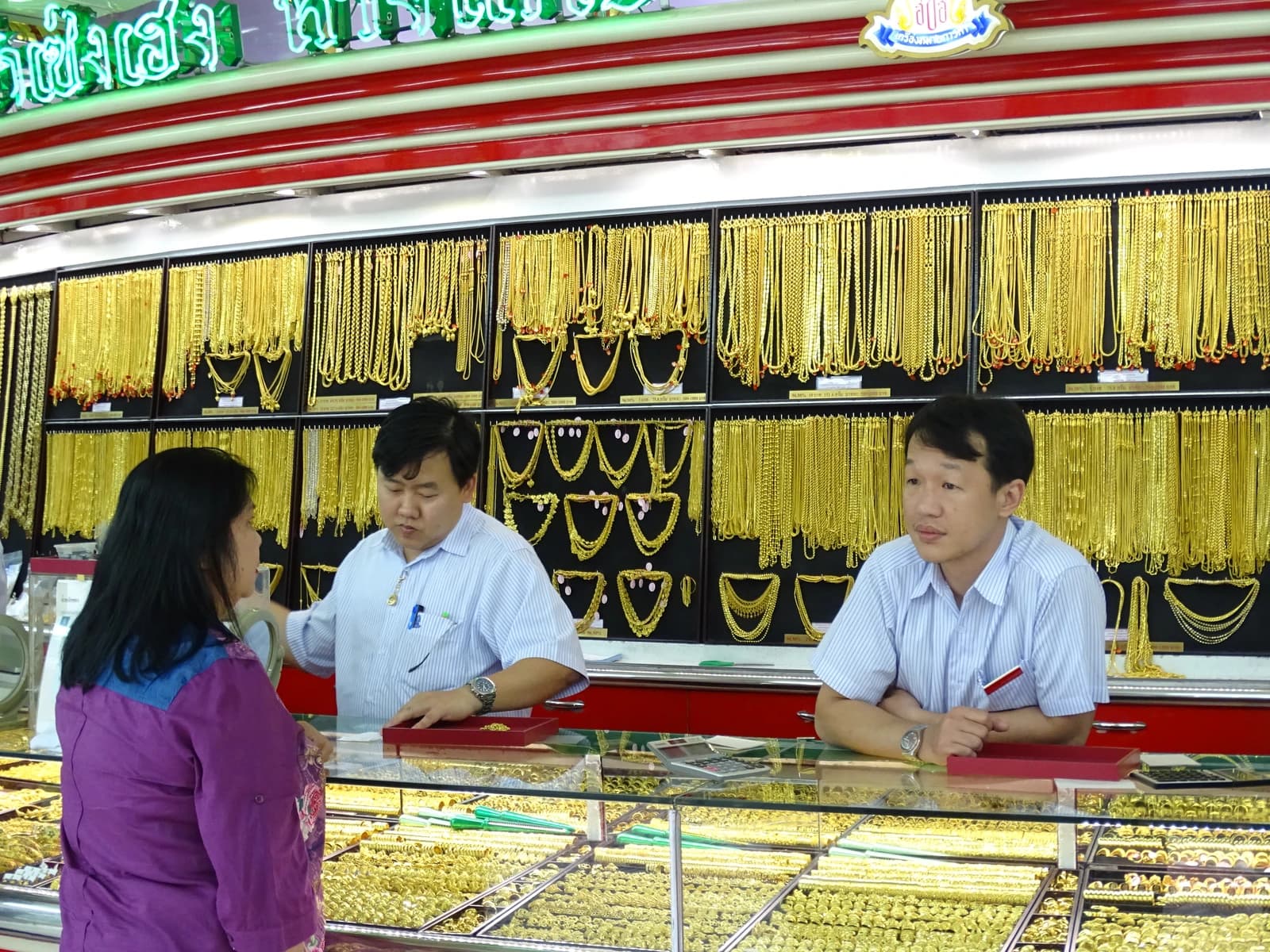
Palembang’s gold market is sliding lower, but that is not drawing bargain hunters back in. Instead, residents are more likely to sell their jewelry than buy it, a sign that household finances are under enough strain that gold is being treated as a cash source rather than a savings vehicle.
Palembang Gold Sales Fall as Households Sell Jewelry
That matters because gold has long played two roles in Indonesia: a store of value and an emergency reserve. When families start liquidating jewelry while prices are already weak, it usually says more about pressure on everyday spending than about confidence in the metal itself. In Palembang, retailers say rising food, staple goods and fuel costs are forcing people to prioritize current bills over investment purchases.
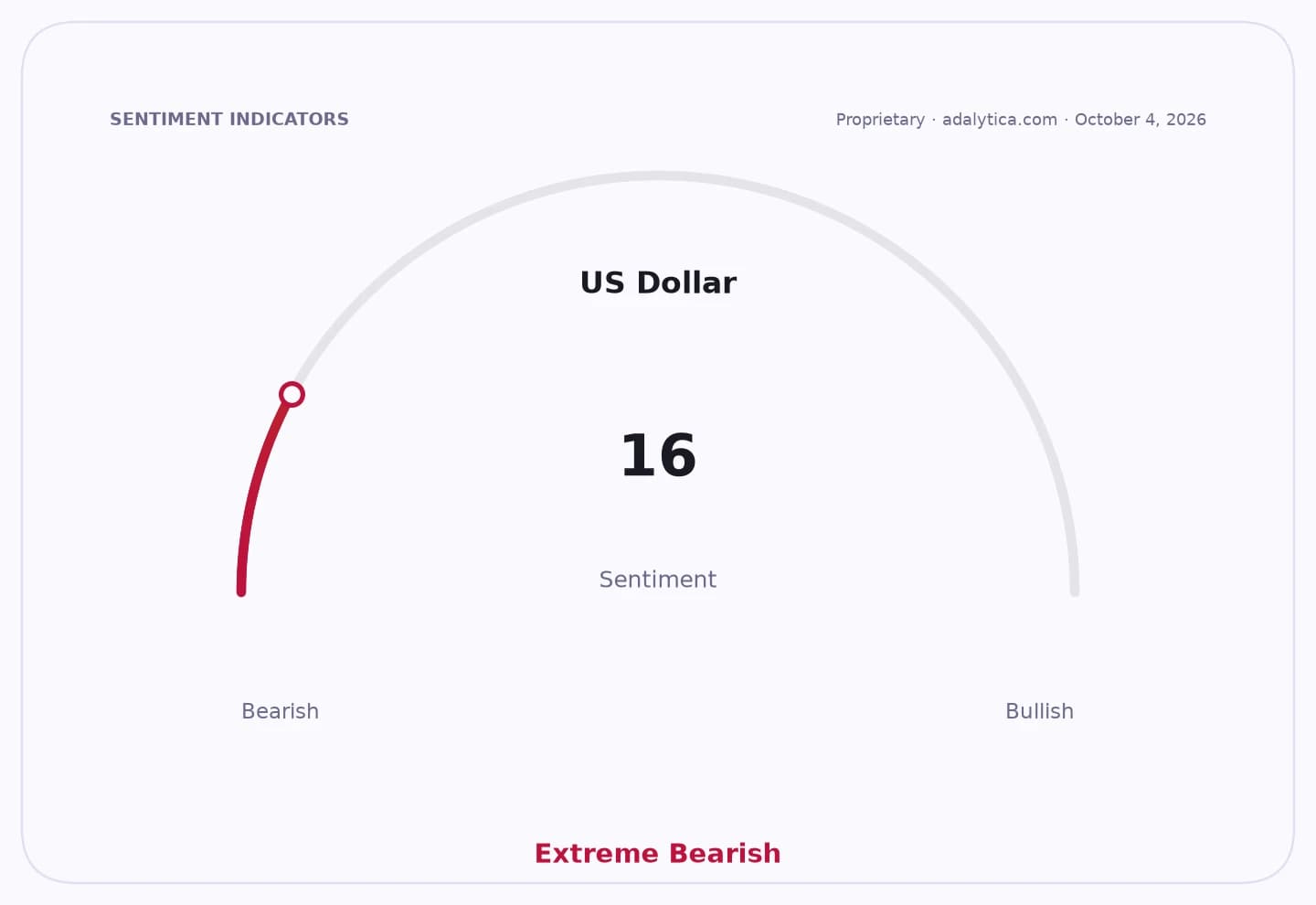
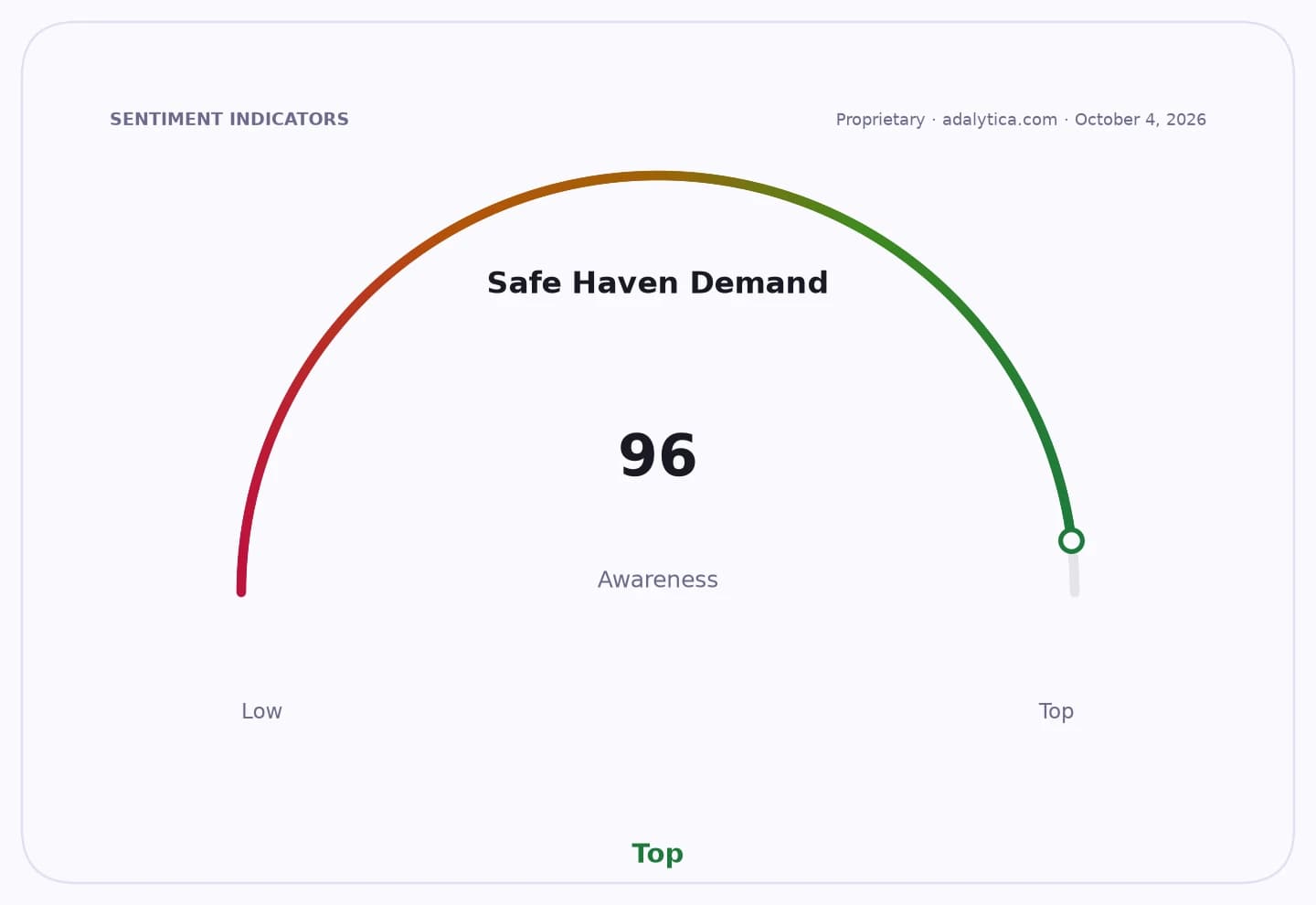
Sentiment IndicatorsⓘProprietary · adalytica.com · October 4, 2026
This is a snapshot — live sentiment, awareness and momentum for 130+ markets update continuously in the dashboard.Open AlphaPulse
At around Rp13.6 million per suku, or 6.7 grams, for jewelry and Rp2.5 million a gram for bullion, prices are described by local sellers as near their lowest levels so far this year. Under normal conditions, lower prices should attract buyers looking for an entry point. Instead, one shop owner said sales have fallen as much as 20%, with demand stagnant and supply rising as investors take profits after earlier gains.
That profit-taking is important for the wider market. When investors sell into strength, it can add inventory and keep local prices under pressure even if broader bullion prices are still supported by safe-haven demand. For jewellers, that means thinner turnover and less pricing power. For households, it means the gold tucked away for hard times is being monetized sooner than expected.
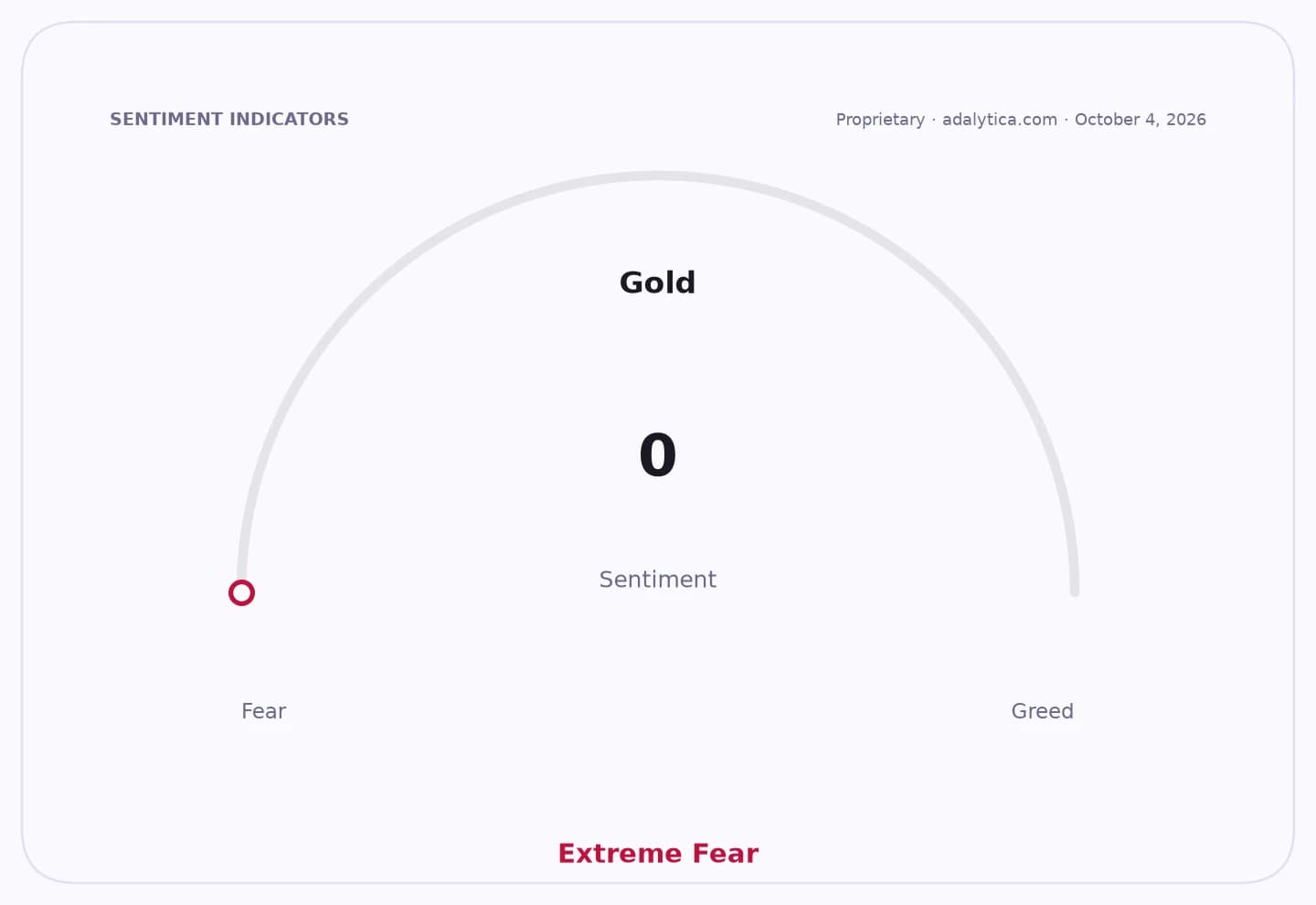
The pattern also fits a broader picture of caution across precious metals. The GLD exchange-traded fund, a widely watched proxy for gold, has recently been below its 50-day and 200-day moving averages, while Adalytica’s Gold Fear & Greed Index has sunk to “Extreme Fear.” That combination suggests traders are unsettled even as long-term investors may see volatility as an opportunity to build positions gradually.
For investors, the takeaway is simple: local weakness in Palembang is not just a shop-floor anecdote, but a reminder that gold demand can soften when consumers are squeezed, even during a period of broad uncertainty. If inflation in food and fuel keeps biting into disposable income, gold in markets like Indonesia may trade less as a speculative asset and more as a household liquidity buffer. Long-term buyers should keep watching whether this is a temporary cash-raising phase or the start of a deeper slowdown in retail demand.
| Entity | Gains | Losses |
|---|---|---|
| Local gold sellers | ▲Higher supply to resell | ▼Slower retail demand |
| Households in Palembang | ▲Immediate cash from sales | ▼Lose jewelry savings |
| Profit-taking investors | ▲Lock in earlier gains | ▼Face softer local prices |
| Long-term gold buyers | ▲Lower entry prices | ▼Near-term momentum |