A cyberattack on Nikkei that sent about 9,000 spoofed emails to interviewees and other contacts underscores how a single compromised workplace account can quickly turn a newsroom breach into a wider trust and data-security problem.
Nikkei cyberattack hits email accounts and contacts
The Japanese publisher said an employee Microsoft 365 account used for sending email was accessed by outside actors, who on Sept. 30 used it to distribute fraudulent messages pointing recipients to malicious sites. Nikkei said it has changed passwords and asked recipients to delete the emails, while warning that addresses, names and some message content may have been leaked.
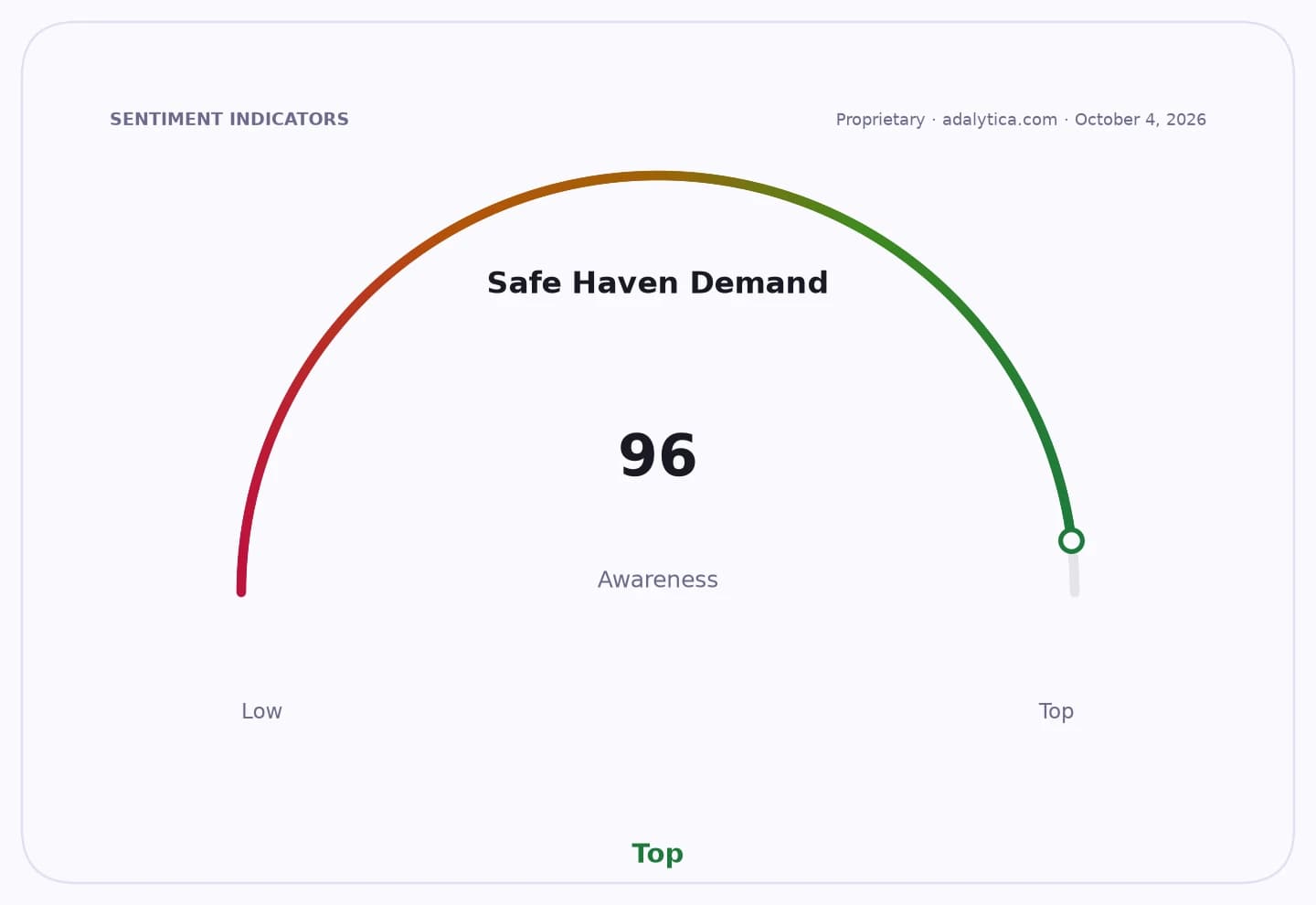
Sentiment IndicatorsⓘProprietary · adalytica.com · October 4, 2026
This is a snapshot — live sentiment, awareness and momentum for 130+ markets update continuously in the dashboard.Open AlphaPulse
For investors, the immediate financial hit appears contained, but the incident matters because it targets one of the most sensitive assets in media: source relationships and communications integrity. A publisher’s value depends not only on audience reach but on the credibility of its network of journalists, interviewees and corporate contacts. Even a limited intrusion can force higher spending on cybersecurity, identity management and cloud controls, while raising the risk of legal, regulatory and reputational fallout if confidential business correspondence was exposed.
The attack also comes at a time when companies across sectors are treating cyber risk as an operational and balance-sheet issue rather than a pure IT problem. Nikkei said it had also found signs of unauthorized access to a Google Workspace account used by employees, with possible leakage of information on 1,646 people since late July. It said readers and interview sources were not included in that second case and that no secondary damage had been confirmed, but the overlap of multiple cloud accounts suggests a broader control failure rather than a one-off phishing event.
That makes the story relevant beyond one newsroom. Media companies increasingly depend on cloud platforms from Microsoft and Google, which can concentrate risk when credentials are compromised. The breach also reinforces a wider market theme: cyber incidents are no longer just a technology-sector problem but a recurring operating risk for enterprises that rely on digital workflows, external communications and large contact databases.
For investors, the bull case is that Nikkei moved quickly to reset passwords and notify recipients, limiting immediate damage. The bear case is that the incident exposes vulnerabilities that can recur, leading to remediation costs, tougher compliance scrutiny and longer-term erosion of trust. The more such breaches multiply, the more they support spending on security vendors and cloud hardening tools, while reminding shareholders that cyber resilience is now part of corporate valuation.
| Entity | Gains | Losses |
|---|---|---|
| Nikkei | ▲containment if breach is limited | ▼trust, reputation, remediation costs |
| Recipients/interviewees | ▲warning to delete spoofed emails | ▼exposure to phishing and fraud |
| Cybersecurity vendors | ▲stronger demand for controls | ▼— |
| Microsoft/Google cloud platforms | ▲higher security scrutiny spending | ▼reputational pressure from account misuse |