Hanoi City Police are warning users not to upload portrait photos to unfamiliar AI apps, saying the viral trend of turning selfies into “1980s-style” images can expose facial data, personal documents and other sensitive information to leakage, misuse and fraud.
AI Photo Apps Raise Privacy Risks for Users
That matters because the next big consumer AI battleground is no longer just creativity — it is trust. The more people hand over face scans, ID cards and location clues to consumer apps, the more valuable those data sets become to scammers, data brokers and platforms with weak protections. In a market where AI tools are increasingly woven into social media, the privacy bill is rising just as adoption accelerates.
Sentiment IndicatorsⓘProprietary · adalytica.com · October 2, 2026
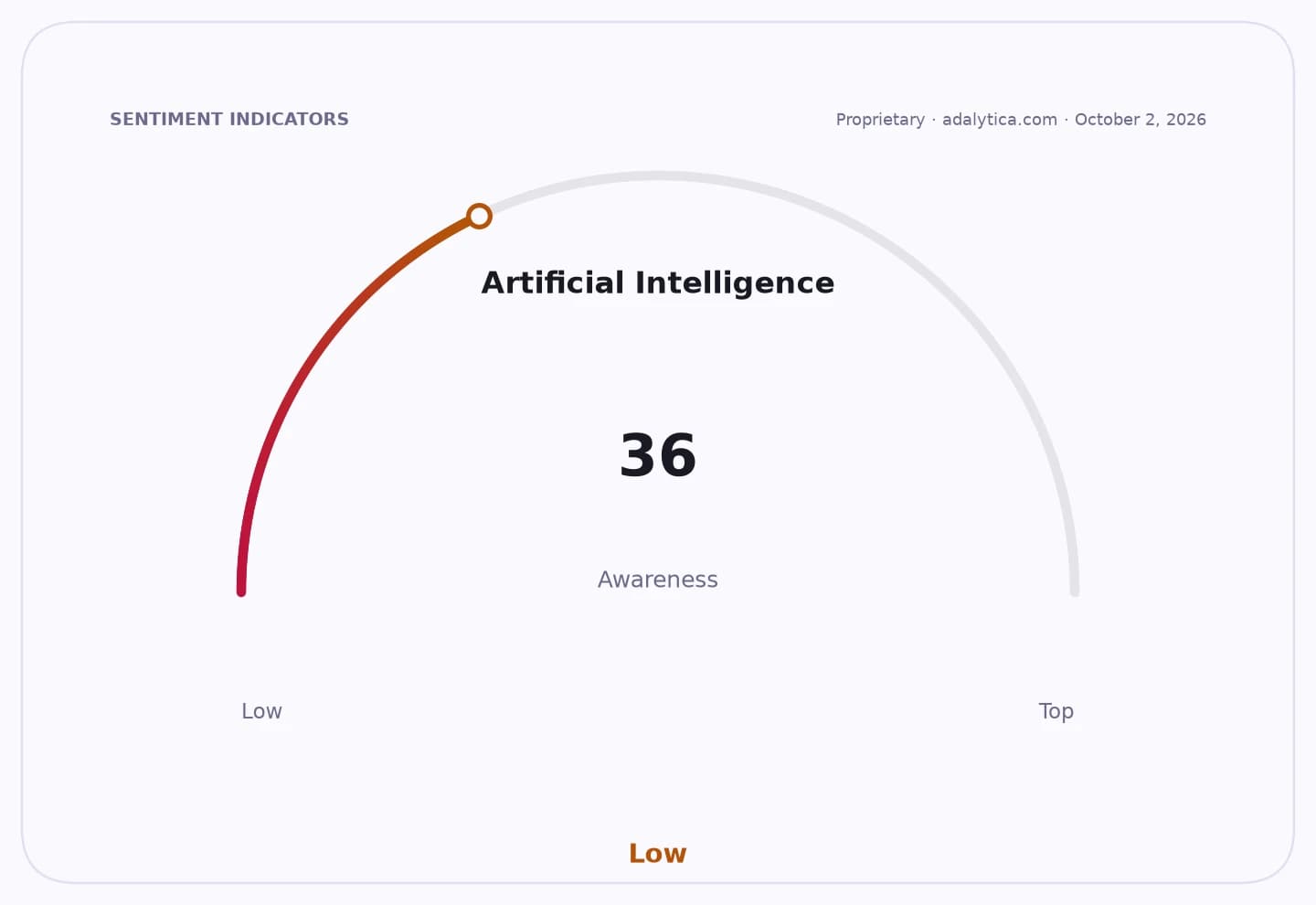
This is a snapshot — live sentiment, awareness and momentum for 130+ markets update continuously in the dashboard.Open AlphaPulse
The police said images uploaded to unknown AI platforms can be collected, stored or used beyond the user’s control, and can also be repurposed to create fake photos or videos for scams. The warning goes beyond facial recognition. A single image can reveal a national ID card, birth date, address, workplace, school or even a vehicle plate if users are careless enough to include them in the frame.
For investors, that is a reminder that consumer AI monetization faces a second-order risk: the same features that drive engagement can also trigger backlash, tighter regulation and heavier compliance costs. Platforms pushing AI editing, avatar generation and creator tools may see stronger usage, but they also inherit more liability around biometric data, consent and content abuse. That is especially relevant for large social platforms such as Meta, which has been rolling out more AI features while disclosing in filings that AI use can raise privacy and security risks. Alphabet faces the same pressure as regulators around the world scrutinize how personal data is used to train and operate AI systems.
The broader setup is straightforward. AI photo and video tools are becoming mainstream because they are fast, fun and highly shareable. But the same frictionless behavior that fuels growth also makes users careless with the most sensitive data they have: faces. In practical terms, that pushes winners toward companies with scale, trust and strong privacy controls, while hurting smaller or unknown app developers that rely on viral growth and weak safeguards.
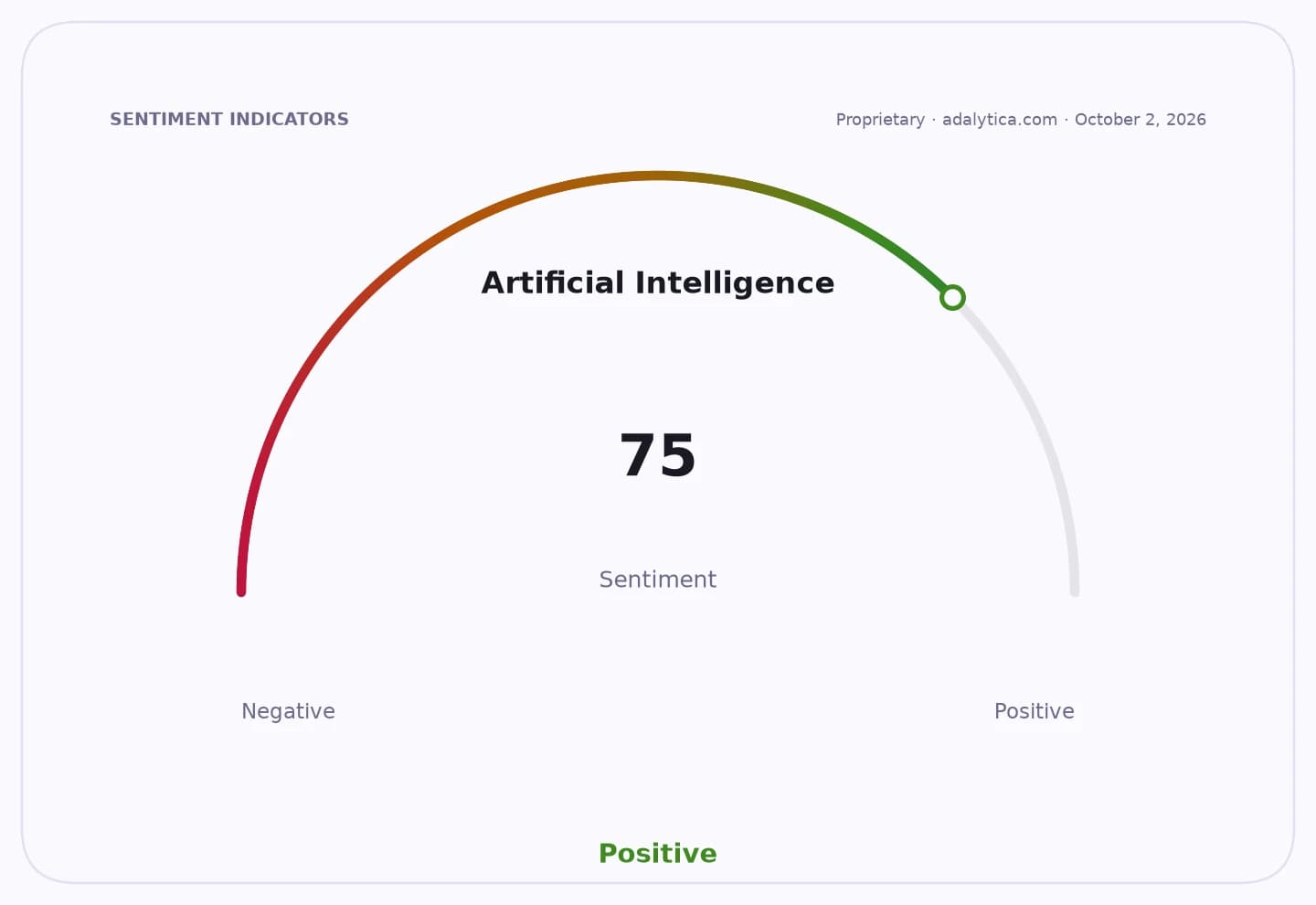
Adalytica’s AI sentiment gauge at 75, labeled Greed, suggests the market is still leaning into the growth story more than the safety story. That is exactly when privacy risks tend to get underpriced. The next catalyst is likely not just another new AI feature, but a public incident, enforcement action or consumer scare that forces investors to separate durable AI platforms from risky trend-chasers.
The takeaway: stay bullish on AI-powered engagement, but focus capital on the platforms that can monetize it without turning user data into a liability. In this phase of the cycle, trust is becoming a competitive moat.
| Entity | Gains | Losses |
|---|---|---|
| Trusted AI platforms | ▲User confidence | ▼Unknown apps |
| Meta, Alphabet | ▲AI monetization | ▼Compliance costs |
| Users | ▲Better privacy awareness | ▼Facial-data exposure |
| Scammers/data brokers | ▲More exploitable data | ▼Stronger scrutiny |