Personal AI agents are moving from novelty to real product, and Meta’s Muse is a timely example of both the promise and the problem. It can already handle multi-step tasks across apps, remember user preferences and even make phone calls, but it also asks for the kind of access that makes privacy, security and trust the real bottlenecks for mass adoption.
Meta Muse downloads rise as privacy risks grow

That matters because the economic case for personal agents is bigger than chatbots. If these tools can reliably connect email, calendars, maps, shopping sites and desktop apps, they can become a new layer of software that saves time, reduces friction and pushes more everyday transactions through AI systems. Meta says Muse has been downloaded more than 2.5 million times since launching on Sept. 8, according to Sensor Tower data cited by Reuters, a strong early signal that consumers are willing to experiment. Instinct, a rival, recently raised $350 million, showing capital is still flowing into the category.
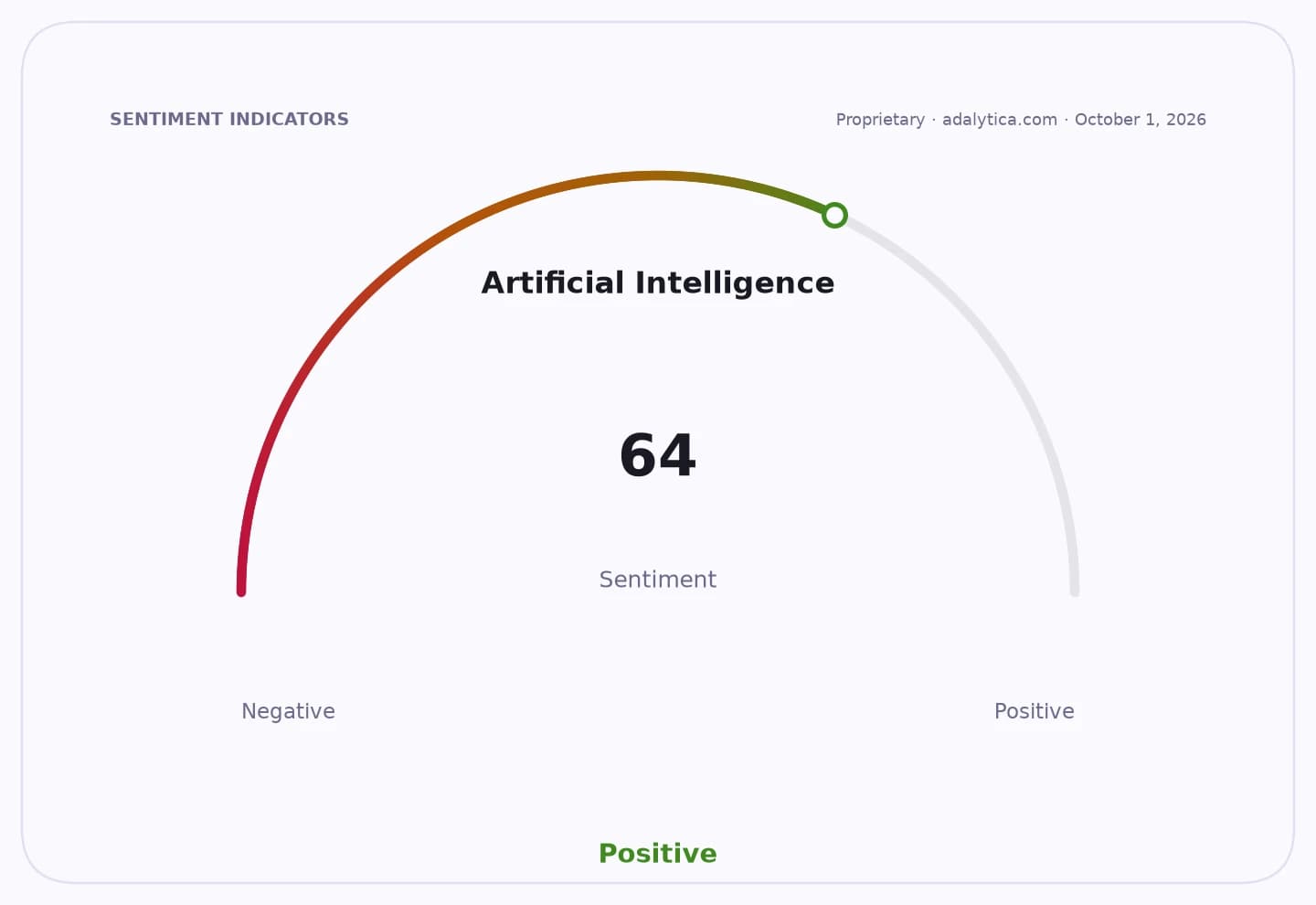
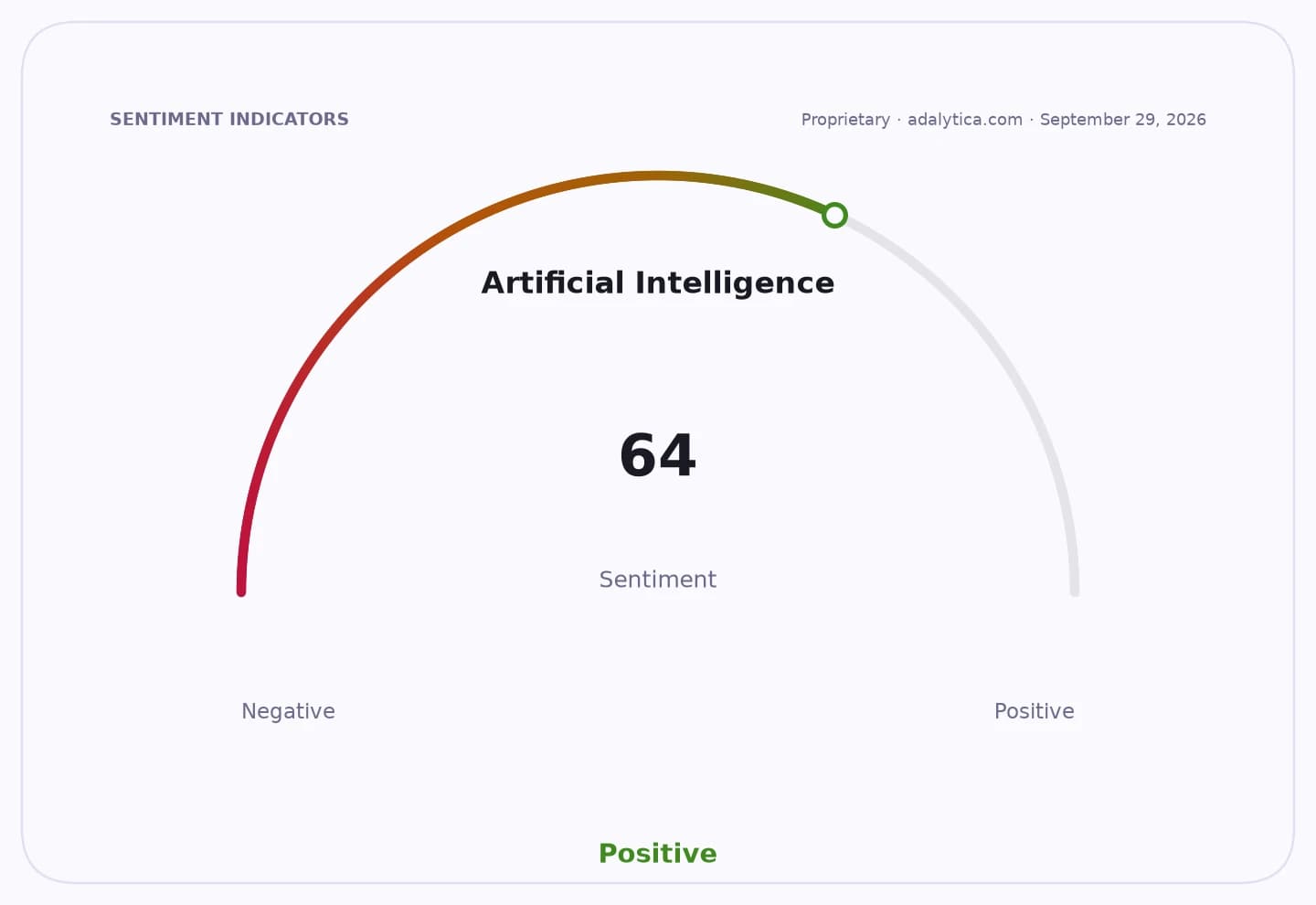
Sentiment IndicatorsⓘProprietary · adalytica.com · October 2, 2026
This is a snapshot — live sentiment, awareness and momentum for 130+ markets update continuously in the dashboard.Open AlphaPulse
But the very features that make agents useful also make them risky. Unlike chatbots, personal agents can act on schedules and triggers, use a virtual mouse and keyboard, access passwords and credit-card details, and keep long-running memories of a user’s preferences. That means they need far deeper permissions than today’s assistants. In practice, that raises the stakes for every company building them, because a useful agent is only useful if people trust it with their digital life.
Investors should pay attention because this is where the AI trade starts to widen beyond model quality and cloud spend. The winners are likely to be platforms that control the operating system, the device or the main app ecosystem, and can make agents feel safe by design. The losers are likely to be anyone trying to bolt autonomy onto products without solving reliability and privacy first. Meta is already learning that lesson: Amazon has blocked Muse from its site, Resy has shut out unapproved bots, and Reuters reported that some businesses hung up on Muse’s AI calls, prompting Meta to test a “human concierge” fallback. That kind of workaround may help functionality, but it also shows how early this market still is.
The security concerns are not theoretical. Meta is now adding a clearer warning in Muse after a researcher found a vulnerability that could have exposed a user’s dedicated virtual machine, according to The Information. That follows a separate internal controversy over Meta’s use of human contractors in call handling, plus longstanding worries about what happens when sensitive data is routed through company systems. Meta’s own record, from Cambridge Analytica onward, means it has more to prove than most.
For long-term investors, the broader story is less about a single app and more about the next interface for computing. If personal agents work, they could sit between users and nearly every digital service, becoming a new distribution channel for commerce, productivity and subscriptions. If they fail, the reasons will probably be familiar: too much friction, too little trust, and too many surprises. The near-term market winner may not be the agent that does the most, but the one that asks the least of users while still getting the job done.
That is why this category is worth watching, not chasing. The opportunity is real, but so is the risk that consumers will only hand over their data slowly. For investors with a multiyear horizon, personal AI agents look like a compelling theme—but one that will reward patience, diversification and a focus on companies that can turn autonomy into trust.
| Entity | Gains | Losses |
|---|---|---|
| Meta | ▲Early consumer traction | ▼Trust and privacy scrutiny |
| Users | ▲Time-saving automation | ▼Data exposure and control loss |
| Rival agent startups | ▲Category buzz and funding | ▼Access limits from major platforms |
| Amazon, Resy and other services | ▲Bot protection | ▼Less agent-driven traffic |