Natural diamond prices have fallen to their lowest level in about two decades, underscoring how a luxury market once built on scarcity is being reshaped by oversupply, softer consumer demand and the rapid rise of cheaper lab-grown stones.
Natural diamond prices hit 20-year low

The decline matters because diamonds sit at the intersection of consumer spending, mining economics and pricing power. A prolonged slump compresses margins for miners and polishers, weakens inventory values across the supply chain and raises questions about whether the industry can preserve the premium attached to natural stones as synthetic alternatives gain share.
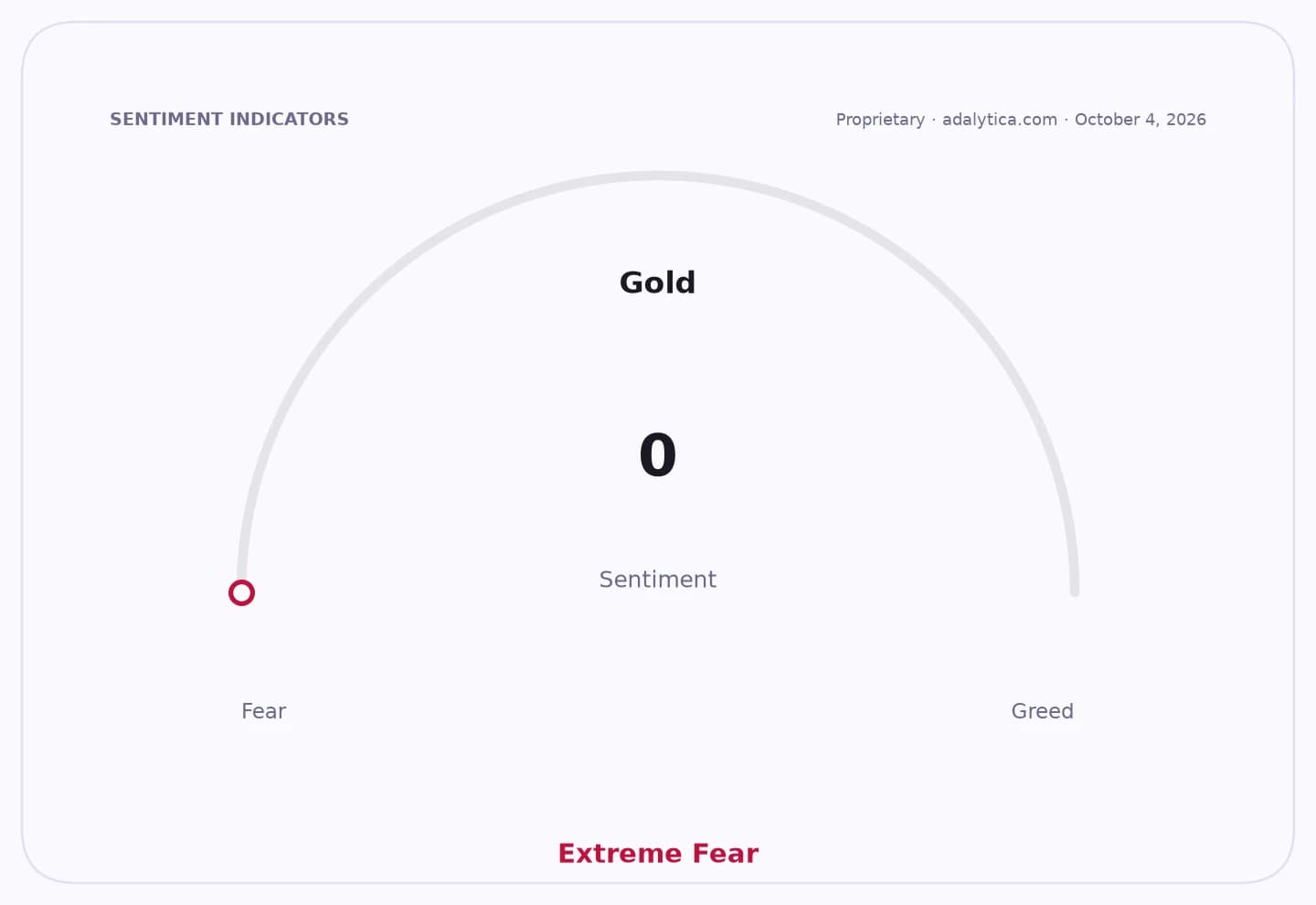
Sentiment IndicatorsⓘProprietary · adalytica.com · September 28, 2026
This is a snapshot — live sentiment, awareness and momentum for 130+ markets update continuously in the dashboard.Open AlphaPulse
Three forces are doing most of the damage: a glut of stones in the wholesale market, demand weakness in key retail channels and the growing acceptance of lab-grown diamonds, which have made it harder for natural stones to justify their historical price premium. That combination has pushed prices to a 20-year low, a sharp reversal for a category long associated with resilience.
The selloff also fits a broader pattern in hard assets: even as gold has held investor attention and silver has shown bouts of volatility, diamonds are facing a distinctly structural problem rather than a cyclical one. Precious metals can benefit from inflation hedging, currency moves or geopolitical stress; diamonds depend far more on branding, consumer willingness to pay and tight control of supply. When those pillars weaken at once, prices can fall quickly and stay under pressure.
For miners and traders, the implications are immediate. Inventory write-downs can hit working capital, while lower realized prices can force producers to rethink output, rough-diamond sales strategy and capital spending. Companies with exposure to natural stones face a more difficult outlook than those tied to lab-grown production or the broader precious-metals complex, where investor demand has recently been supported by falling bond yields and recurring geopolitical risk.
The bull case is that natural diamonds retain symbolic and resale appeal, particularly in higher-end jewellery, and that supply discipline could eventually stabilize wholesale pricing. The bear case is that consumer preferences have shifted more permanently toward cheaper, cleaner-looking lab-grown stones, leaving natural diamonds in a secular downcycle that no amount of short-term production restraint can fully fix.
Investors will be watching whether miners cut output, whether retailers keep promoting synthetic stones, and whether natural-diamond pricing can find a floor after this two-decade slump. If not, the industry may be entering a long period of lower margins, weaker capital returns and slower consolidation.
| Entity | Gains | Losses |
|---|---|---|
| Lab-grown diamond producers | ▲Lower-cost alternative gains share | ▼ |
| Natural diamond miners | ▲ | ▼Pricing power and margins |
| Jewellery retailers | ▲Cheaper inventory and wider options | ▼Premium natural-stone sales |
| Consumers | ▲Lower purchase prices | ▼ |