Caledonia Mining Corp. is in talks to buy mothballed gold assets in Zimbabwe, a move that would deepen its bet on a country where established miners are increasingly chasing scale, reserve life and lower-cost ounces rather than waiting for new discoveries.
Caledonia Mining in talks to buy Zimbabwe gold assets
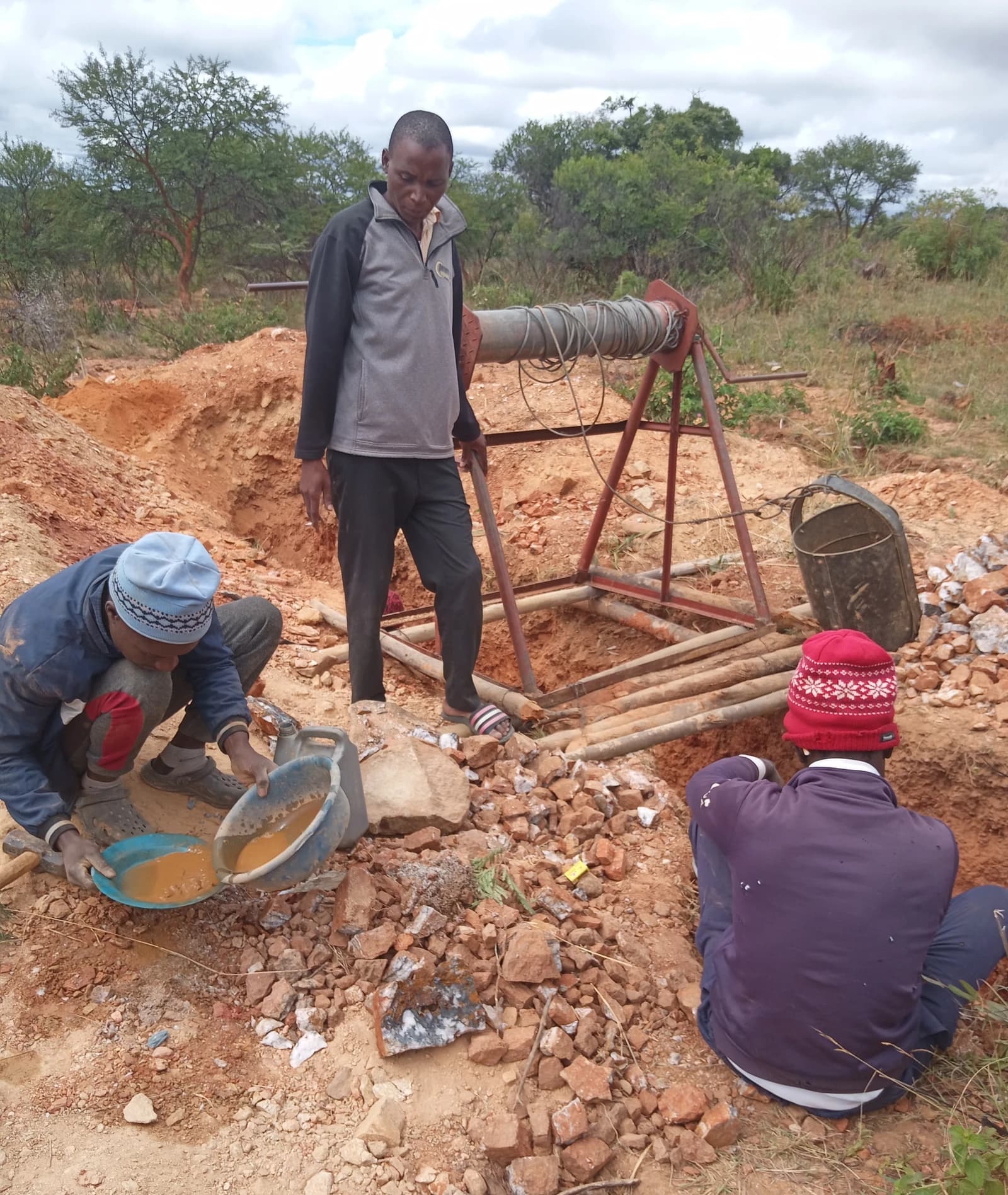
The discussions matter because they come at a time when gold producers are under pressure to turn elevated bullion prices into durable cash flow, while financing costs remain high and investors are rewarding companies with visible production growth. For a mid-tier miner like Caledonia, acquiring dormant assets could be a faster route to expanding output than greenfield development, which in Zimbabwe and elsewhere can be slowed by permitting, infrastructure gaps and capital discipline.
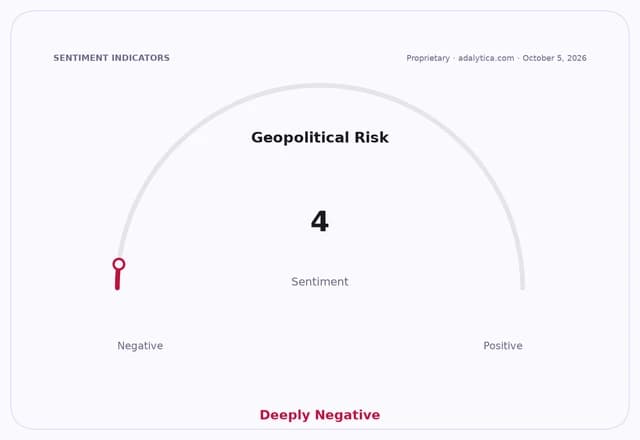
Sentiment IndicatorsⓘProprietary · adalytica.com · October 5, 2026
This is a snapshot — live sentiment, awareness and momentum for 130+ markets update continuously in the dashboard.Open AlphaPulse
Gold itself remains supportive, even if the metal has pulled back sharply from recent highs. The SPDR Gold Shares ETF, a proxy for bullion, was trading at $42.29 on Oct. 2, below its 50-day moving average of $43.36, with the RSI at 27.2, a level that conventional technical analysis would consider oversold. At the same time, Adalytica’s Gold Fear & Greed Index showed “Extreme Fear,” suggesting a near-term washout in sentiment even as longer-term interest in the sector stays elevated. For miners, that backdrop can be mixed: lower bullion prices can squeeze margins, but a weaker share-price environment can also make asset deals and financings more workable for buyers with strong balance sheets.
Zimbabwe has long been attractive to miners because of its geological potential, but the country also carries political and operational risk that keeps assets discounted. That discount is precisely what can make mothballed properties appealing to buyers willing to spend on refurbishment, power, processing and transport links. A successful acquisition could give Caledonia a larger production base and more operating leverage, while potentially reviving jobs and investment in a jurisdiction that has struggled to convert mineral wealth into broad-based economic growth.
For investors, the key question is whether Caledonia can buy ounces cheaply enough to justify the execution risk. A restart of dormant assets can lift production and extend mine life, but only if capital spending, grades and operating costs align. If the deal is accretive, it could strengthen Caledonia’s profile relative to peers and help it capture more of any sustained gold-price upside. If not, it risks tying up capital in a politically sensitive market with uncertain returns.
The next catalyst will be the shape of any transaction: size, price, funding and how much work is needed to bring the assets back into production. Until then, the talks reinforce a broader industry theme — miners are using mergers, acquisitions and restarts to secure growth while the easy ounces get scarcer and the market demands discipline.
| Entity | Gains | Losses |
|---|---|---|
| Caledonia Mining | ▲Production growth | ▼Execution risk |
| Zimbabwe assets sellers | ▲Monetization of idle mines | ▼Bargaining leverage |
| Zimbabwe economy | ▲Investment and jobs | ▼If deal stalls |
| Existing gold peers | ▲Sector rerating if M&A picks up | ▼Competitive pressure |